

Getting Glass Silk Screen Tempering Right with Fast-Response IR
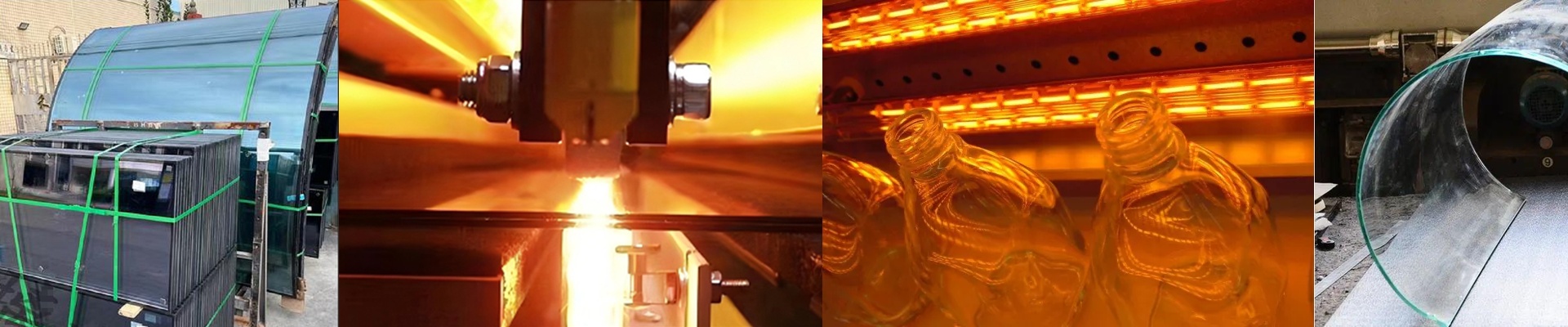
If you’ve spent any time in glass silk screen processing, you know the headache. You’re stuck in this endless tug-of-war. You need enough heat to bake the ink so your patterns look sharp, but if you push too hard or hit the wrong spot, you create thermal stress. That’s how you end up with glass that just snaps. That’s why we lean on fast-response short-wave IR heaters. The problem with the old way Most people start with standard convection ovens. The issue? They heat everything. The whole sheet of glass gets soaked in heat, which is slow and clumsy. Short-wave IR is different. It targets the ink layer directly. It hits the surface fast, triggering the cure without turning the entire piece of glass into a heater. Because the ink sets almost instantly, it doesn’t have time to bleed or migrate. You get those crisp, clean lines you’re actually looking for. Walking the tightrope Now, we set these heaters for high power density to get that “flash-off” done in seconds. But here’s the catch: high wattage is a double-edged sword. You have to be obsessive about your ramp-up and cool-down rates. If you just blast the glass, it can bow or deform before it even reaches the tempering furnace. It’s all about the rhythm. Your lamp intensity has to be perfectly synced with how fast your conveyor is moving. It’s not magic—it’s physics I won’t tell you IR is a magic fix. It takes a bit of finesse. Since the energy is so concentrated, your positioning has to be spot on. If your lamps are off by just a few millimeters, you’ll get hot spots. And hot spots are a nightmare—they lead to uneven tempering and glass that shatters during quenching. To stop that from happening, spend some time calibrating your PID controllers. Also, make sure your cooling blowers are actually strong enough to pull the excess heat away from the edges. The best bet? Wire everything into a high-speed switching circuit. It keeps your temperature windows tight, which means your patterns stay sharp and your glass stays strong.