


Why Infrared Heating is Actually About More Than Just Warm Toes
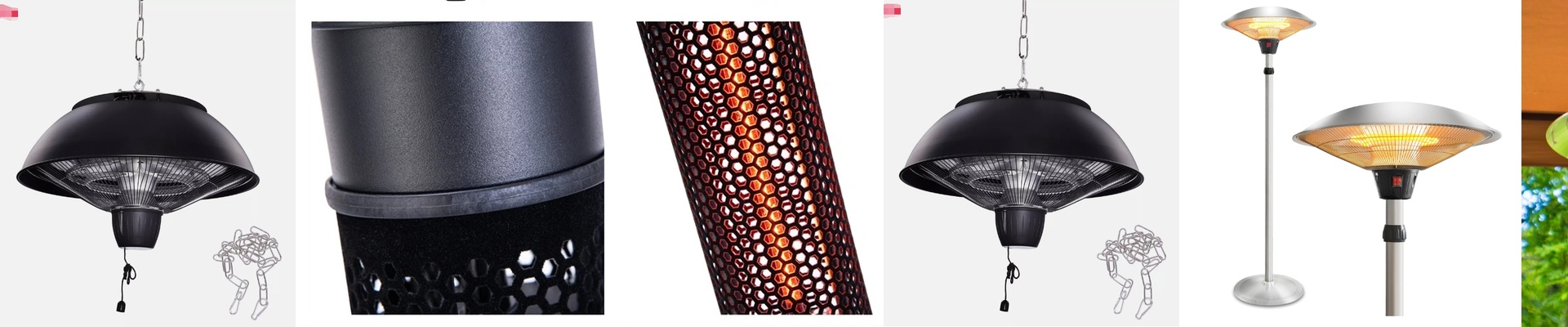
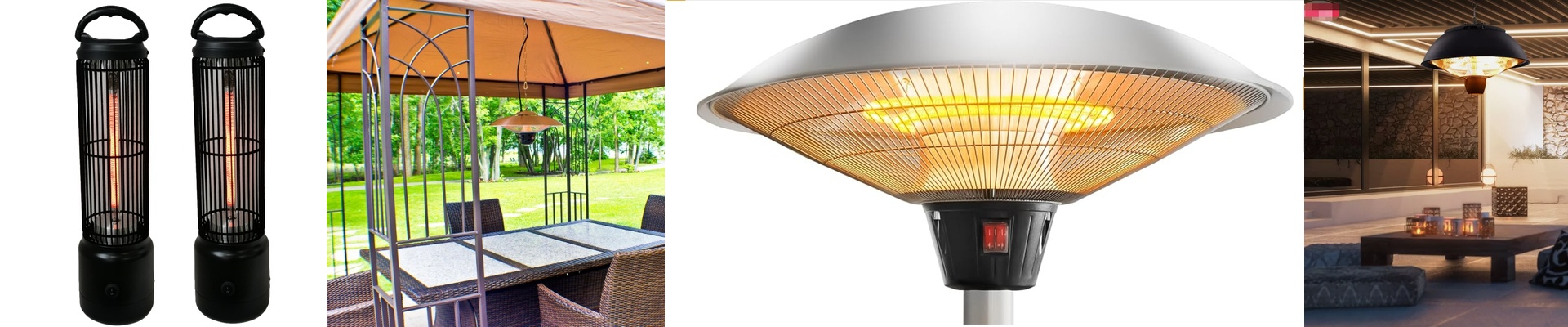
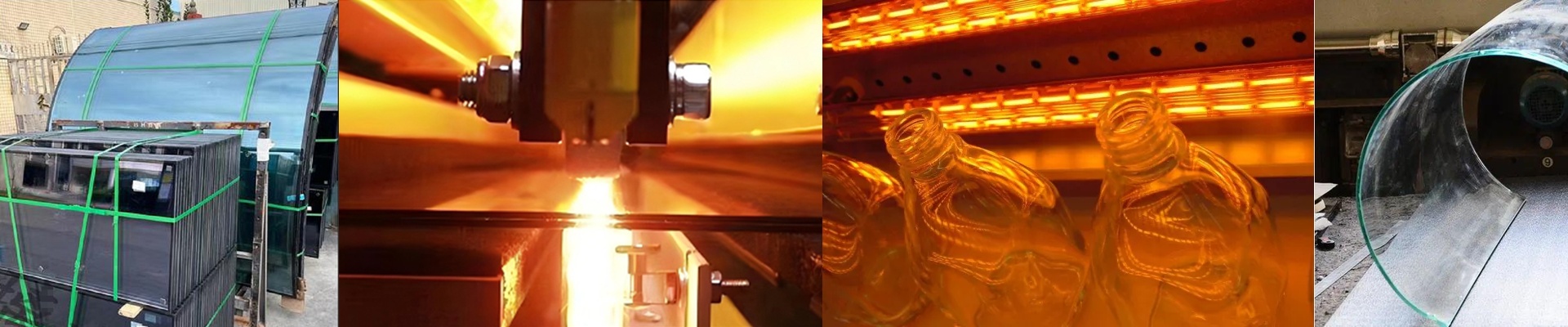
Let’s be honest: most of us think of bathroom heaters as a luxury for those freezing winter mornings. But if you’re dealing with a wet zone, the real enemy isn’t the cold—it’s the damp. That stagnant moisture that hangs in the air? That’s what we’re actually fighting. Instead of just trying to warm up the air, we use short-wave infrared (IR) emitters. Think of it as a direct hit. These lamps don’t just drift heat around the room; they target the water molecules themselves.
The secret to drying things out
Standard heaters are a bit clumsy. They warm the air, but your walls stay cold, which is exactly how you end up with condensation dripping down the tiles. Infrared is different. It sends out radiation that cuts right through the surface moisture. It basically shakes up the water molecules, forcing them to evaporate way faster than they would on their own. When you put these in the ceiling, you’re creating a zone where water simply can’t settle into your grout or porous surfaces.
Killing the mold problem
Mold is picky. It needs organic matter, moisture, and a drop in temperature to move in and start a colony. By keeping your tiles and grout consistently warm, you stop that “dew point” from ever happening. If the surface stays warm, the spores can’t get a foothold. It’s not like a mechanical dehumidifier that sucks water out of the air. It’s more like a shield—it stops the water from sticking to your walls in the first place.
A few things to watch out for
Now, you can’t just throw the highest wattage lamp you find into a small room and call it a day. High-wattage IR lamps get hot. Fast. If you don’t get your reflectors dialed in, you’ll end up with “hot spots.” If you’re using cheap ceramic tiles, those spots can actually cause them to crack. Plus, if you cram too much power into a tiny fixture, you risk overheating the whole housing. The trick is balance. Match your wattage to the size of the room so the heat spreads out naturally without burning out the quartz envelope of the lamp. And one last tip: sync your timer with your ventilation. Let the fan and the heat work together, and you’ll have a dry, crisp bathroom every single time.