
Off-Grid Heating: Warmth, Powered by the Sun
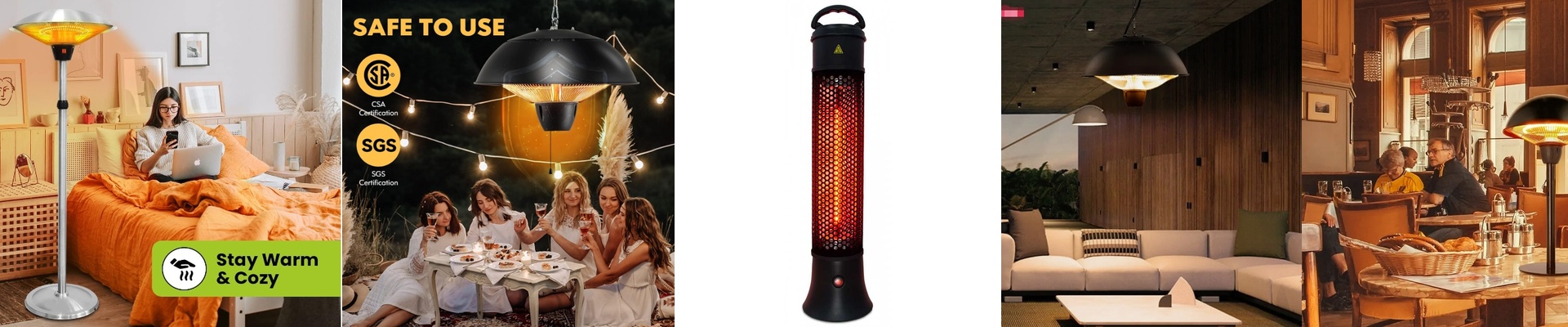
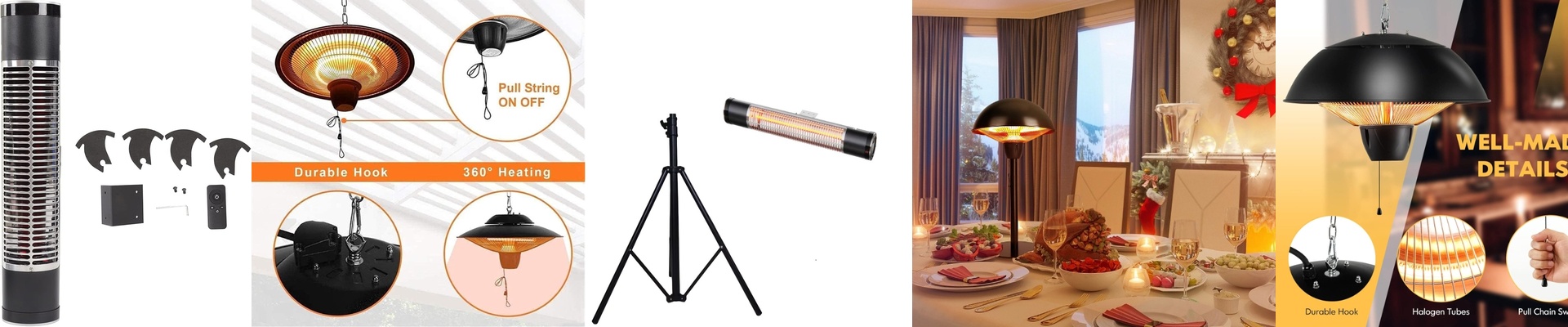
Let’s talk about staying warm when you’re living off the grid. It’s a real puzzle, right? You want comfort, but you can’t just flip a switch and draw from the power company. So, we built an infrared sunroom heater with one thing in mind: making off-grid life simpler. The whole idea is to pair a powerful infrared heater with your solar panels. It’s all about taking the sun’s energy and turning it directly into that cozy, radiant heat. No fuss, no grid, just pure independence.
The Power Behind the Heat
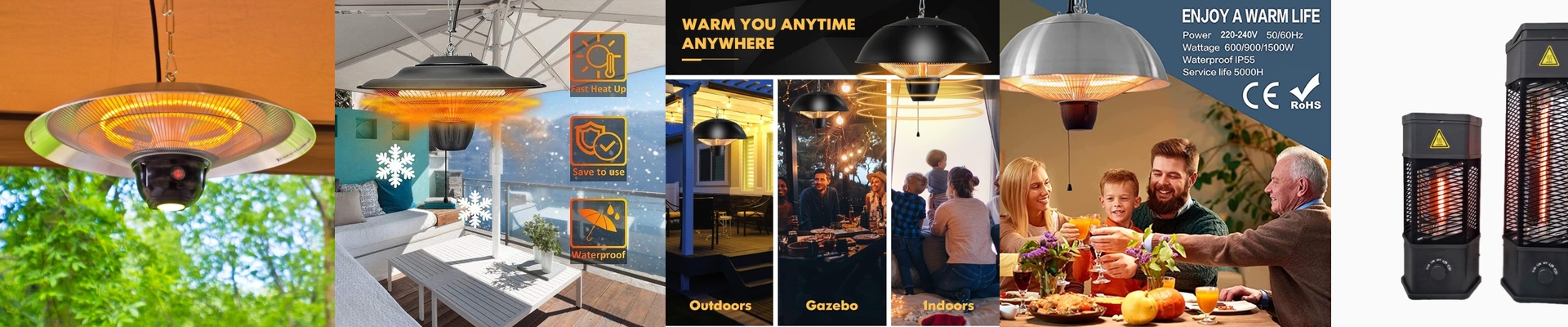
Here’s the practical part. Our heaters are designed to run on 220-240V, which is exactly what most solar inverters put out. This makes the wiring so much easier and keeps everything tidy. We size the wattage based on your sunroom—think 1500W to 2500W per heater. That way, you can add more heaters as your solar setup grows. Just be realistic: more wattage means faster heating, but it also means your inverter has to work harder in that moment. And if your sunroom isn’t well-insulated, the heater will run more often. That means you’ll need more solar panels and bigger batteries to keep things feeling just right.
Built to Last, Built to Fix
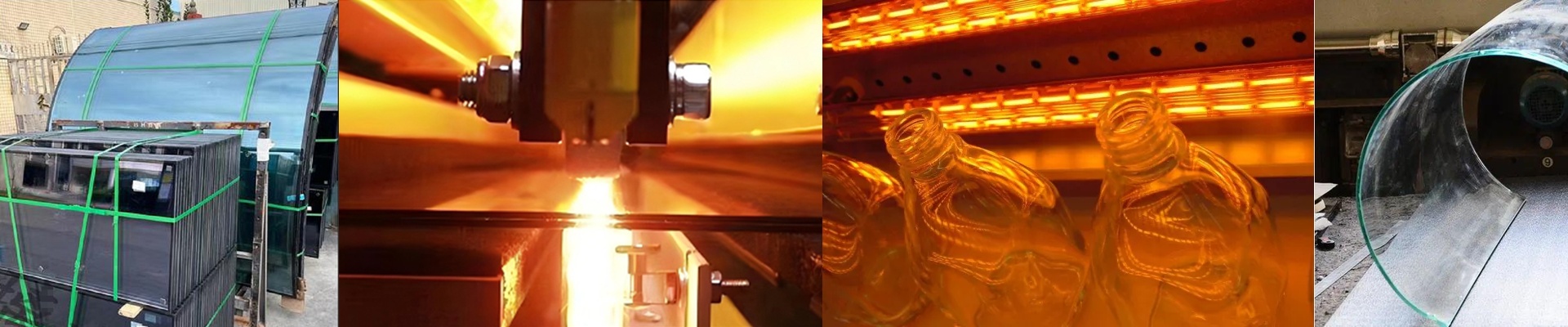
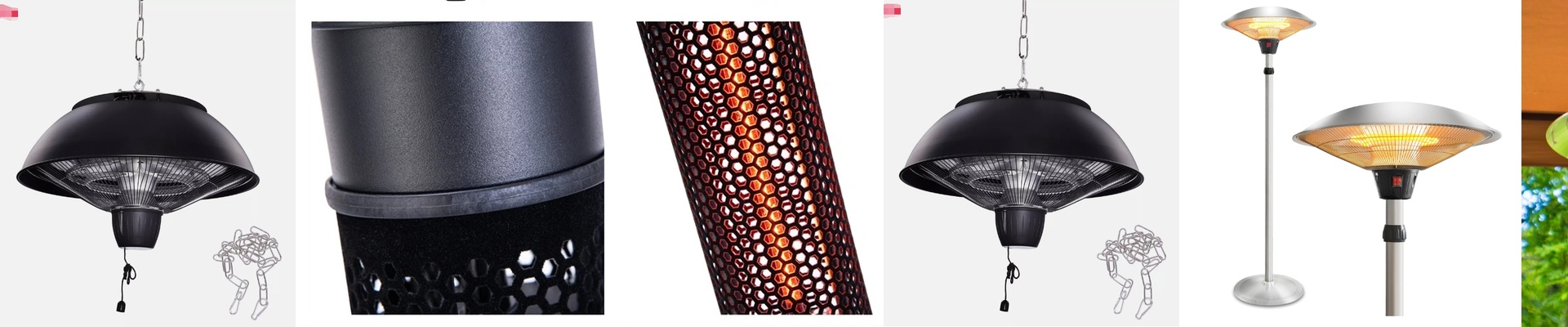
We use quartz-tube elements because they get hot, fast. Seriously, almost no wait. They’re tough, too—they can handle the constant on-and-off without blinking. And we chose the R7s connector for a reason. It stays cool under pressure, holds its grip, and makes replacing a worn-out part a breeze. The best part? If something does break, you don’t have to chuck the whole unit. You just swap out the faulty part. It’s a simple fix, not a headache.
Your Own Personal Sun
When you connect this heater to your solar system, you get serious energy freedom. On a sunny day, your panels will often produce more than enough to run the heater and whatever else you need. At night, it all comes down to your battery capacity and how well your space is insulated. For a lot of off-grid homes, this combo can cover 70-95% of your heating needs. The rest you can fill in with a backup generator during those long, cloudy stretches. The trick is getting the system right. Match the heater’s power to what your panels can collect during the day, and size your batteries to keep the heat going through the evening. Just remember, winter clouds will mean less sun. Plan your solar array and battery storage with that in mind.