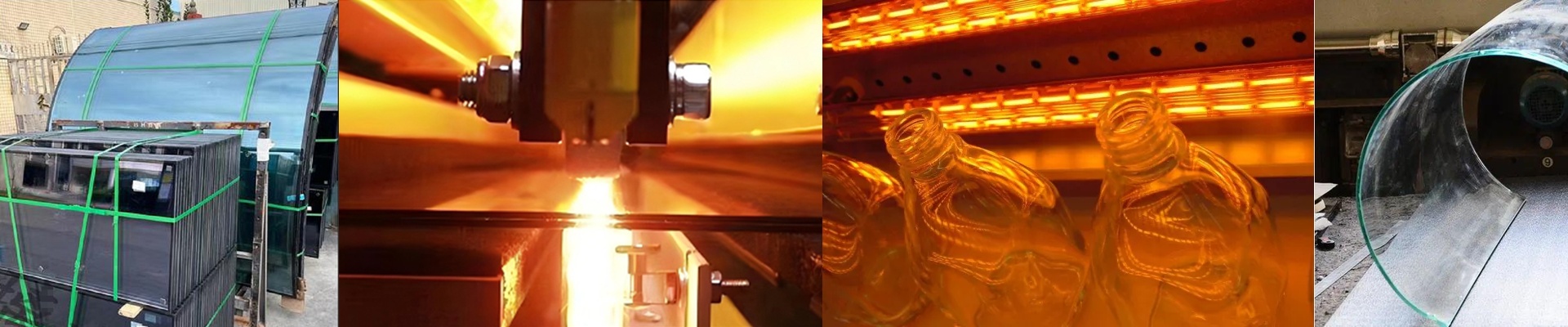
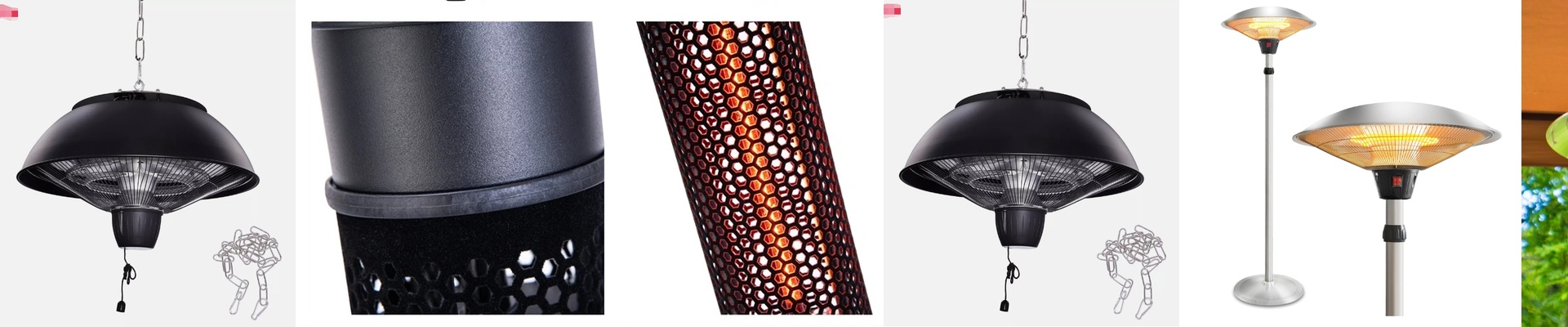
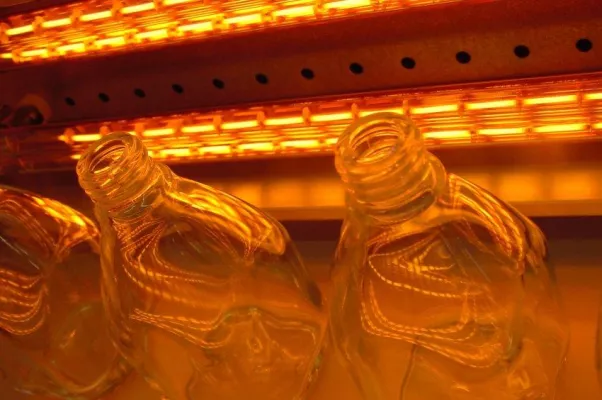
On the line, the glory hole heating element is where the schedule gets its teeth. When those quartz tubes fire, the glass has to hit setpoint fast, soak evenly, and move on—no thermal stress, no sag, no idle time. If the heat underperforms, you see it fast: off-temper, wave, and scrap. We built our glory hole elements to run the way a real glass plant runs, not the way a slide deck imagines it.
What actually matters, technically
We run short-wave quartz infrared emitters in a compact glory hole assembly because the response is immediate and the control is tight. High radiant density, low thermal mass—so the element comes up to temperature quickly and follows recipe changes without dragging. Power is matched to the furnace zone, with standard voltage options and terminations that drop into the existing busbars and connectors. The quartz envelope takes the thermal shock of repeated heat-up and cool-down cycles, and the geometry is set up to spread the radiant heat evenly across the glass width.
Why it holds up in practice
In tempering and bending, the glory hole owns the critical heating window right before quench or forming. Heat that arrives fast and even translates straight into higher throughput and fewer temperature-related defects. You get shorter heat-up times, more consistent surface temperature, and better optical quality across the sheet. Energy use drops because the element heats on demand and holds setpoint without overshoot. For lamination prep and coating drying, that same fast response cuts down on convection dependence and keeps the heat where it belongs—on the glass.
The things you learn the hard way
Installation is straightforward on standard glory hole fixtures, but clearance and alignment still matter. The quartz tube is tough, but it’s brittle—protect it from impact and from localized overheating. Match the element to the controller and to the glass emissivity; if those are out of sync, you’ll buy yourself uneven heating. And keep spares, plus a quick-swap procedure. When the line is down, every minute is measured in dollars.
บนสายการผลิต อุปกรณ์ทำความร้อนใน glory hole คือจุดที่ตารางเวลาการผลิตจะเริ่มทำงานจริง เมื่อหลอดควอตซ์นั้นทำงาน แก้วต้องถึงอุณหภูมิเป้าหมายอย่างรวดเร็ว ซึมความร้อนได้อย่างสม่ำเสมอ และเคลื่อนที่ต่อไป—ไม่มีความเครียดทางความร้อน ไม่มีการหย่อนตัว และไม่มีเวลาว่าง หากความร้อนทำงานต่ำกว่ามาตรฐาน จะเห็นผลทันที: อุณหภูมิเพี้ยน เกิดคลื่น และของเสีย เราออกแบบอุปกรณ์ทำความร้อนใน glory hole ให้ทำงานเหมือนโรงงานแก้วจริง ไม่ใช่แค่ภาพในสไลด์นำเสนอ
สิ่งที่สำคัญจริงๆ ในเชิงเทคนิค
เราใช้หลอดอินฟราเรดควอตซ์คลื่นสั้นภายในชุด glory hole ขนาดกะทัดรัด เพราะการตอบสนองรวดเร็วและการควบคุมแม่นยำ ความหนาแน่นของรังสีสูง มวลความร้อนต่ำ—จึงทำให้อุปกรณ์สามารถขึ้นสู่ระดับอุณหภูมิได้เร็วและตามการเปลี่ยนแปลงสูตรได้โดยไม่ล่าช้า กำลังไฟฟ้าถูกปรับให้เหมาะสมกับโซนเตา มีตัวเลือกแรงดันไฟฟ้ามาตรฐานและขั้วต่อที่รองรับการเชื่อมต่อกับบัสบาร์และคอนเนคเตอร์ที่มีอยู่ หลอดควอตซ์ทนอุณหภูมิช็อกจากการทำความร้อนและเย็นซ้ำหลายรอบได้ และการออกแบบเรขาคณิตถูกจัดวางให้กระจายความร้อนไปทั่วความกว้างของแก้วอย่างสม่ำเสมอ
ทำไมจึงทนทานในทางปฏิบัติ
ในการเทมเปอร์และดัดแก้ว glory hole คือส่วนที่ควบคุมช่วงเวลาความร้อนสำคัญก่อนขั้นตอน quench หรือ forming ความร้อนที่ส่งมาถึงอย่างรวดเร็วและสม่ำเสมอจะช่วยเพิ่มปริมาณการผลิตและลดข้อบกพร่องที่เกี่ยวกับอุณหภูมิ คุณจะได้เวลาขึ้นอุณหภูมิสั้นลง อุณหภูมิผิวหน้าเสถียรกว่าเดิม และคุณภาพทางแสงของแผ่นแก้วดีขึ้น การใช้พลังงานลดลงเนื่องจากอุปกรณ์ทำความร้อนทำงานตามความต้องการและรักษาอุณหภูมิเป้าหมายโดยไม่เกิน สำหรับการเตรียมงานลามิเนชั่นและการอบแห้งเคลือบ การตอบสนองที่รวดเร็วนี้ช่วยลดการพึ่งพาการพาความร้อนและเก็บความร้อนไว้ที่แก้วเท่านั้น
สิ่งที่เรียนรู้จากประสบการณ์
การติดตั้งบนอุปกรณ์มาตรฐานของ glory hole ทำได้ไม่ซับซ้อน แต่ต้องคำนึงถึงระยะห่างและการจัดแนว หลอดควอตซ์แข็งแรงแต่เปราะบาง—ต้องป้องกันการกระแทกและการร้อนเกินเฉพาะจุด ควรจับคู่ตัวทำความร้อนกับตัวควบคุมและค่าการแผ่รังสีของแก้ว หากไม่สัมพันธ์กัน จะเกิดความร้อนที่ไม่สม่ำเสมอ ควรเตรียมอะไหล่สำรองและมีขั้นตอนการเปลี่ยนอย่างรวดเร็ว เมื่อสายการผลิตหยุดชะงัก ทุกนาทีมีค่าเทียบเป็นเงินตราอย่างชัดเจน