Getting Real About Warmth Off the Grid
So, you want to keep a baby’s room toasty when you’re living off the grid. It’s not just about adding a heater; it’s about weaving that warmth right into your solar setup. Here’s the thing about infrared heaters—they’re perfect for this. Instead of wasting energy heating up all the air in the room, they send warmth directly to the objects and people in it. That means you get the comfort you need using way less power than a standard convection heater. And when you’re off-grid, every watt counts. The goal is self-sufficiency. Let’s say you have a 1200W infrared heater. Pair that with a decent 3-5 kW solar panel array and a battery bank between 5-10 kWh, and you can run the heater all day on sunshine alone. When the sun goes down, you’re living off the battery, which will typically use up about 12 kWh over a 10-hour night.
The Gear That Gets the Job Done
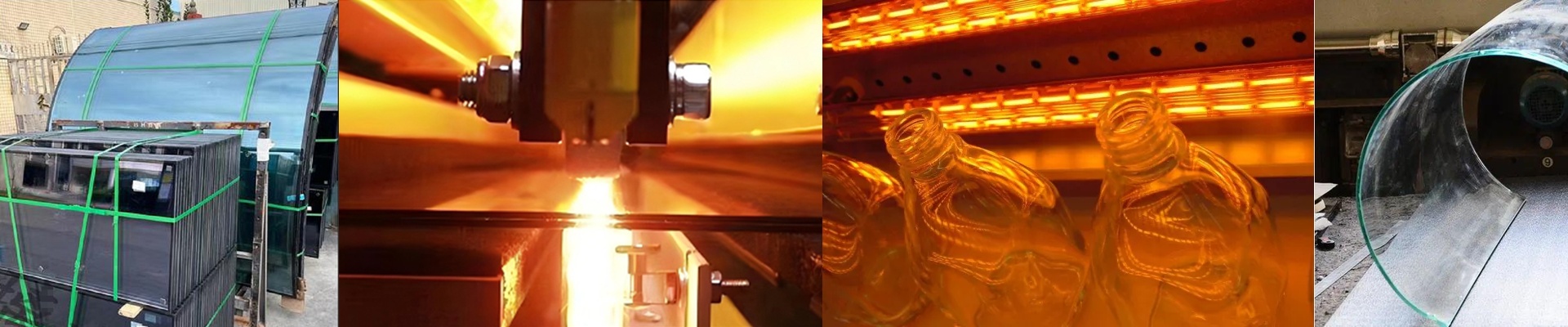
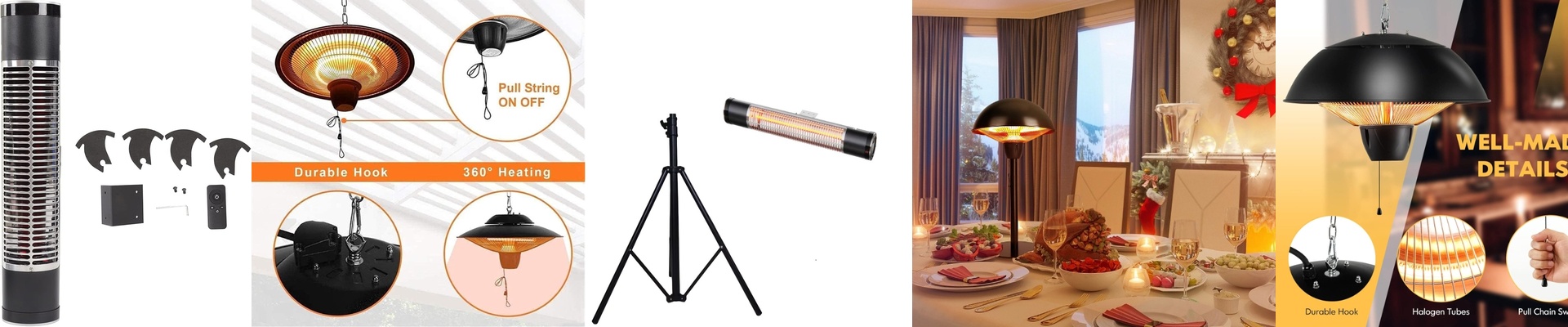
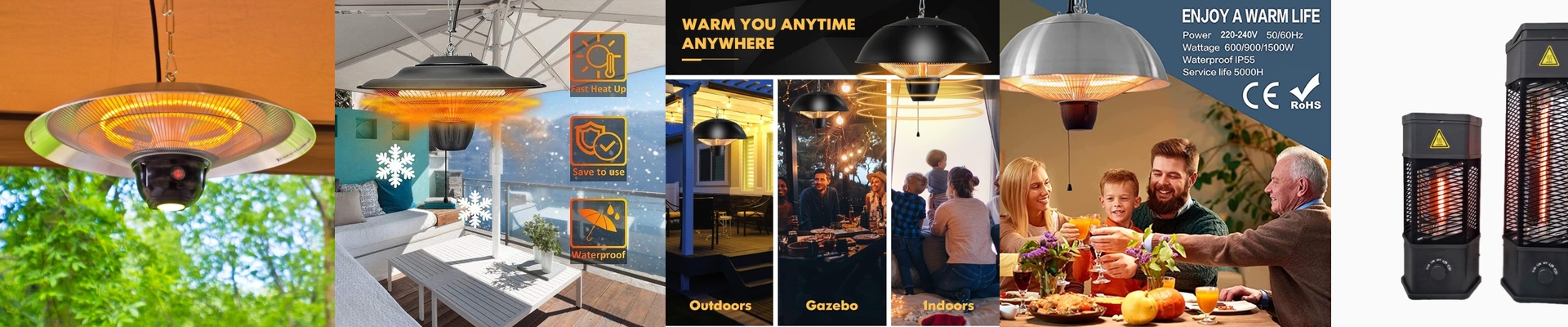
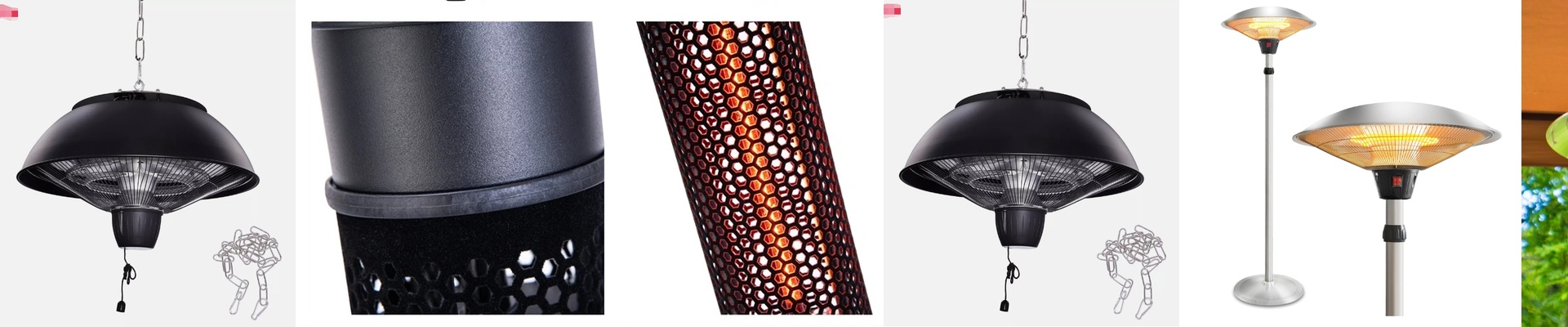
The tech itself is pretty straightforward. The heart of the unit is a halogen-filled quartz tube. It heats up almost instantly and throws off serious warmth. For a baby’s room, that quick response is a lifesaver. You need stable temperatures, and you need them now. Plus, the design is refreshingly simple. It’s a direct, plug-and-play setup. No complicated motors or heavy heat exchangers to worry about breaking down. But, and this is a big but, that quartz tube gets scorching hot. So you have to be smart about where you place it. Safety first—it’s not something you want a curious toddler getting near.
The Payoff: Independence and Peace of Mind
For anyone living off-grid, this combo is a game-changer. You’re not tied to a loud, smelly diesel generator just to keep a nursery warm. The solar panels charge the batteries, and the heater draws its power from those same batteries. It’s a clean, simple loop. And for the folks installing it, there’s a huge upside: there are no moving parts to wear out. It’s a set-it-and-forget-it solution. The one thing you absolutely can’t cut corners on is the battery bank. You have to look at your heater’s daily energy needs and make sure your battery capacity is bigger than that, with a comfortable buffer for things like cloudy days and how deeply you drain the batteries.
The Honest Truth About Going It Alone
You can absolutely achieve energy independence for heating, but it takes planning. The biggest hurdle is battery capacity. A 1200W heater running for 10 hours needs at least 12 kWh of usable battery power. What happens when the sky turns gray for a few days? Your solar panels won’t be pulling in as much energy, and your batteries will have to carry a heavier load. To make sure that baby’s room never gets cold, you either need to go bigger on the batteries or have a backup plan. The heater itself is incredibly efficient at turning electricity into heat. But the whole system has to account for the energy lost when power is stored and then pulled back out of the battery. That means your solar panels need to produce more energy than the heater actually uses. It’s a detail you have to bake into your plan.
The Bottom Line
Pairing an infrared heater with a solar system is a smart, practical way to create a warm, independent space in an off-grid home. The heater is simple, tough, and delivers heat exactly where you need it. But the real star of the show is the power system behind it. Get your solar array and battery bank sized correctly, and you’ve built a setup that delivers quiet, reliable warmth. It’s all about giving you that peace of mind, knowing your most precious little person is snug and safe, no matter what’s happening outside.