

Introduction
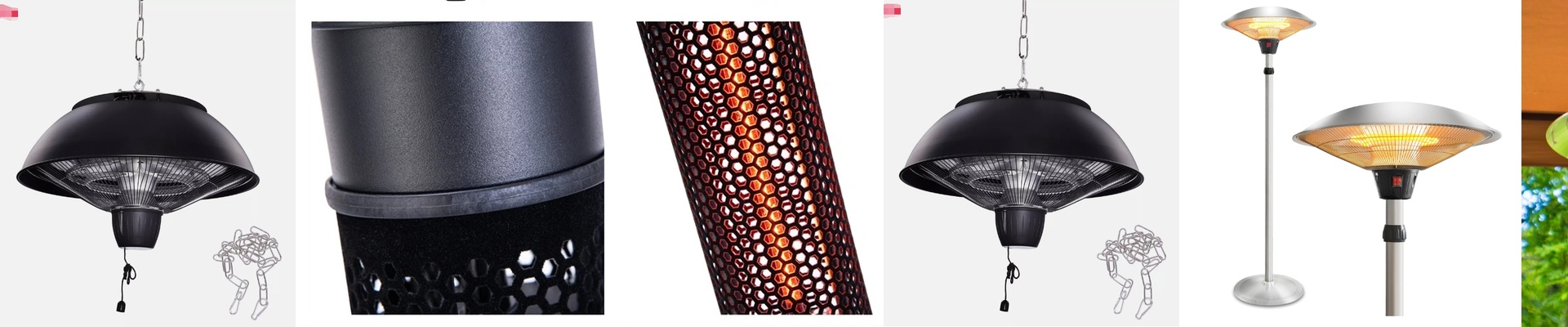
We spent ten years grinding it out—from the back of the shop to the front lines of global industry. That journey led us to build this oscillating infrared heater. It was designed for engineers who need heat that’s precise, focused, and goes exactly where you point it—without bleeding energy into the air around it.
Power, Voltage, and Geometry—Why It Works
This thing is built for real work. We matched voltage and wattage so the filament hits its sweet spot fast, giving you instant infrared heat. And the dimensions aren’t random. They shape the heat pattern and set how the unit mounts. A shorter tube concentrates the heat. The oscillating base gives you a clean sweep angle, so you can cover a work area without moving the whole fixture.
Materials and Design—Built to Last
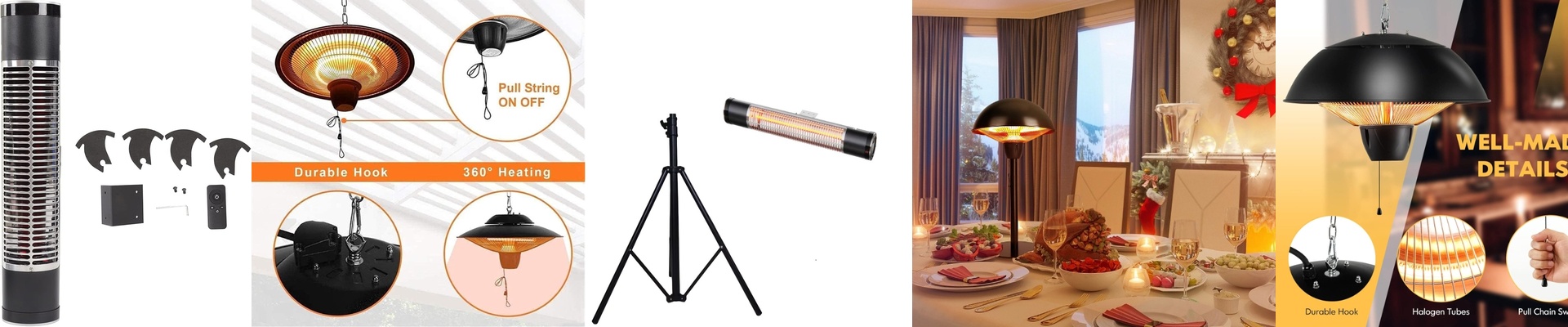
Inside, you’ve got a halogen-filled quartz tube. The halogen gas lets the filament run hotter and cleaner, which keeps output steady over the life of the tube. A special coating on the quartz directs infrared energy outward and shields the inside components. The connectors—typically R7s or Sk15—are chosen to handle industrial current and stay solid under stress. These aren’t delicate pins. They’re made to survive daily on/off cycles, plus the vibration from the oscillating motion, without losing contact.
Heat Where You Need It
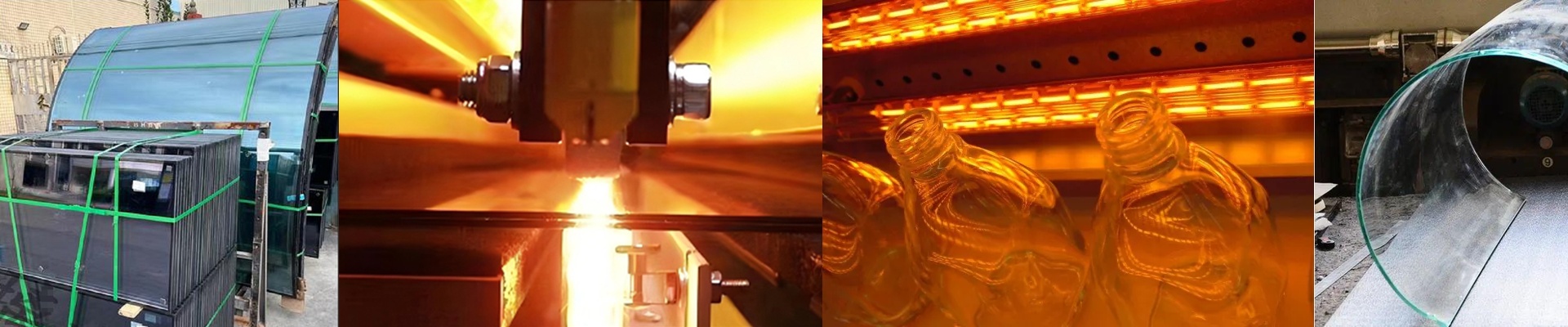
In practice, this setup delivers a lot of heat in a small footprint. The oscillation spreads the heat zone evenly, so you don’t get hot spots on the target, and the overall temperature stays consistent. It’s ideal for spot heating, process warming, and pre-heating equipment. Just know this: high output means you need a cooling setup that’s up to the task for the surrounding gear. We built this to live on the shop floor. Wire it up, set the sweep, and the heat lands exactly where your process needs it.
The Quality Baseline
Ten years of refining materials, thermal physics, and mechanical tolerances went into this. This isn’t a marketing line. It’s a repeatable standard that meets the demands of engineers running production lines—not just demos.
Spec Sheet, Straight Up
The unit handles industrial voltages and delivers the wattage needed to beat ambient losses. The tube length and coating work together to shape the beam and control the spectral output. The connectors lock in a solid electrical connection that holds up to constant movement. We built it to drop right in when you’re replacing old gear, and to be a dependable upgrade for new installations.
Bottom Line
We didn’t chase trends. We focused on making a heater that performs, day after day. This oscillating infrared heater is the result—an honest tool for engineers who need controlled heat, repeatable results, and a unit that can take the pounding of a real factory.
The Trade-Off
High heat density comes with a requirement: the machine’s cooling has to be well designed. Run it hard, and the ambient temperature around the unit will rise. Plan for airflow and clearance. That’s the reality when you pack serious heat into a compact package.
Final Build Note
Every component was chosen for thermal endurance. The oscillating mechanism is rated for continuous cycling. The electrical connections are rated for the full load. We built this to run—not to collect dust on a shelf.