
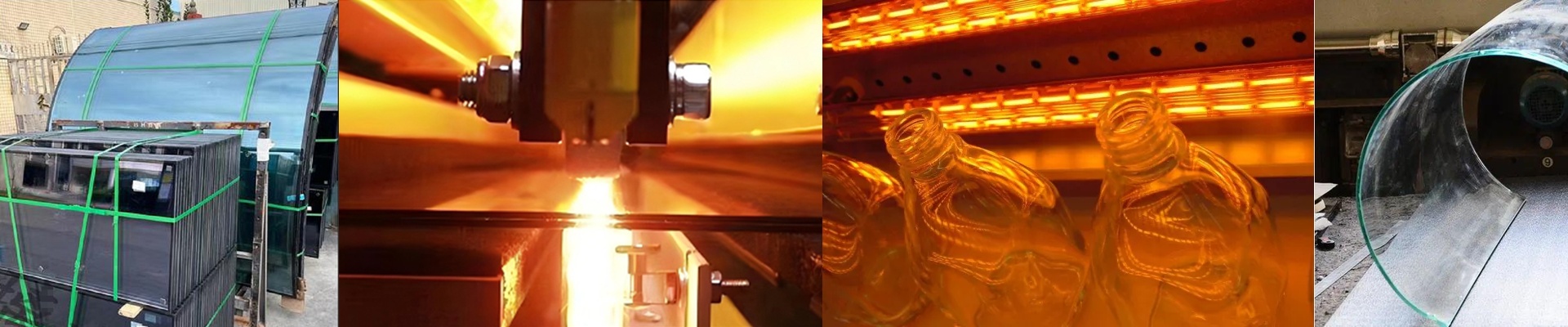

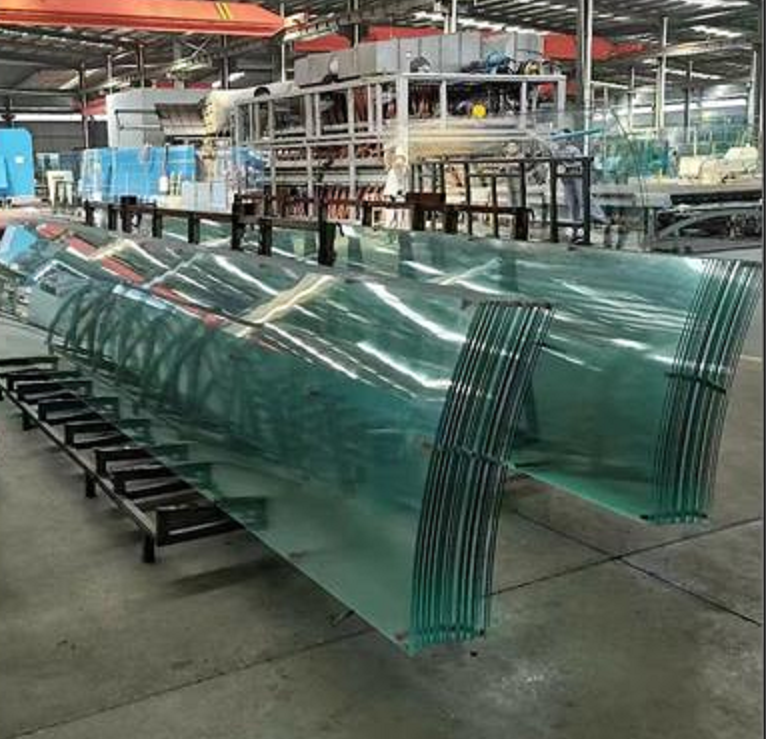
On the glass line, annealing is where you make or break yield. If the soak isn’t right, you’ll see residual stress show up later as spontaneous fractures. Over-soak, and you’re just burning electricity and dragging the schedule down. When the oven can’t hold tight, repeatable temperature control at Industrial power levels, you pay for it in scrap, rework, and the meter. What matters under the hood We build industrial annealing ovens around high-density heating elements that respond quickly, paired with a recirculating air system that keeps the thermal field uniform across the entire load. The control strategy holds soak bands tight, so you remove residual stress without overshoot. High-efficiency insulation and heat recovery cut wasted input, and the drive electronics scale cleanly to high-power heating without forcing you to rewire the whole plant supply. In practice, you get stable setpoints, predictable soak times, and consistent glass flatness. Here is why this matters on a high-throughput line. The oven has to keep pace with tempering, bending, lamination, and insulating glass assembly without becoming the bottleneck. Faster ramp-to-soak shortens cycles, and a stable soak means fewer stress rejects. Energy optimization isn’t a slogan—it shows up on the bill. Plants running at full power typically cut annealing energy use by double-digit percentages, lowering peak demand and easing the thermal load on the facility. You keep output up, quality consistent, and operating cost in check. High-power annealing ovens deliver, but they need clean power and disciplined airflow management. Plan for voltage compatibility, load balance, and enough clearance around the unit to maintain airflow and service access. If you run 24/7, schedule maintenance windows to keep heat exchange and circulation paths clear. With those basics handled, the oven integrates as a dependable heat source that supports continuous production without compromise.