
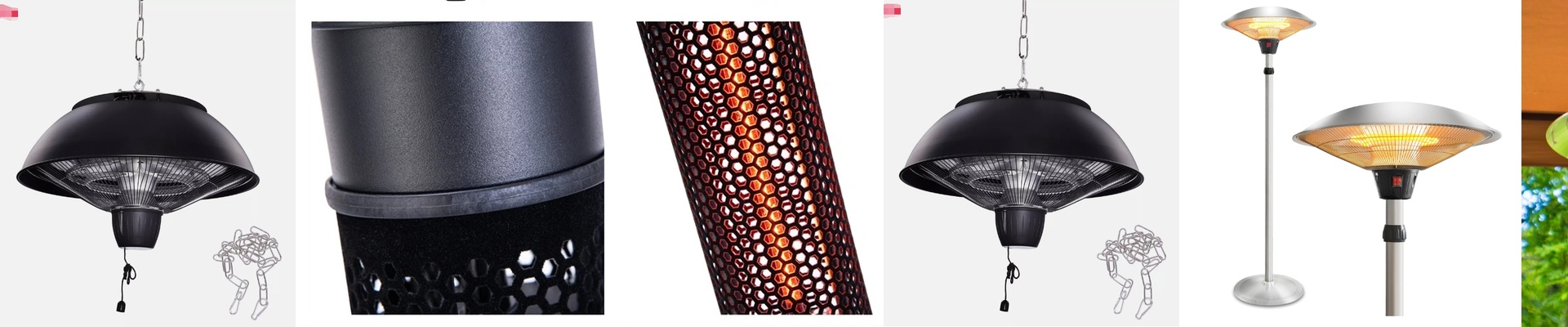
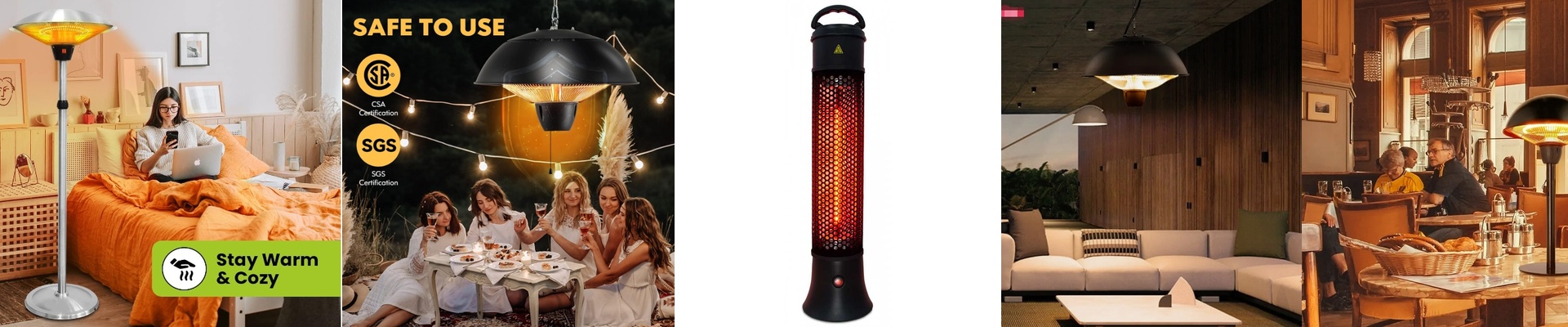
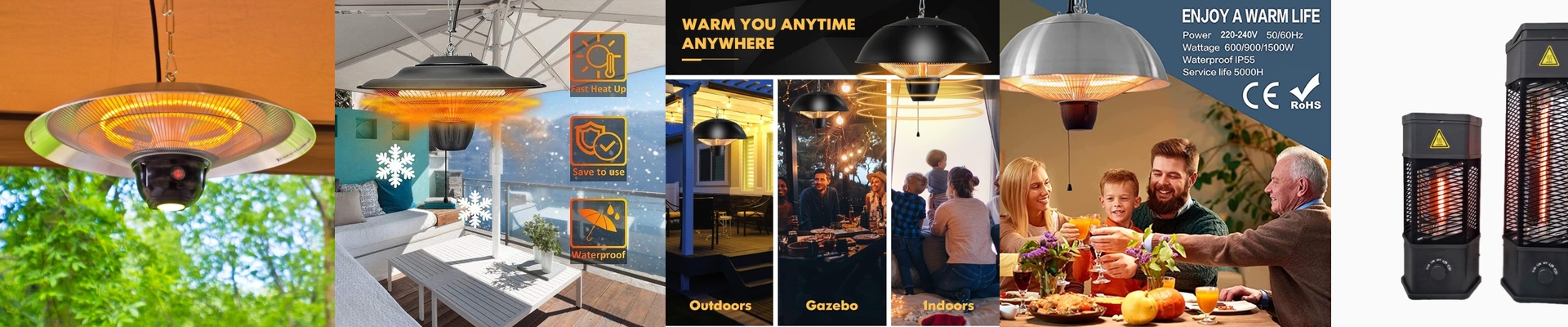
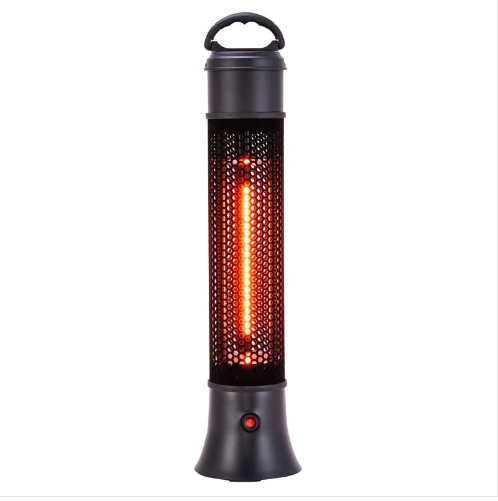
The living room is supposed to be the easiest room to relax in. But on a cold evening, even with the central heat running, your hands and feet can still feel that stubborn chill while you’re parked on the sofa. Air heaters warm the air, sure, but warm air alone doesn’t always get the job done the way you want. An infrared living room heater changes the feel of the room because it delivers warmth you can feel right away—surface warmth that turns into a deeper, steady comfort that supports better circulation.
What matters technically
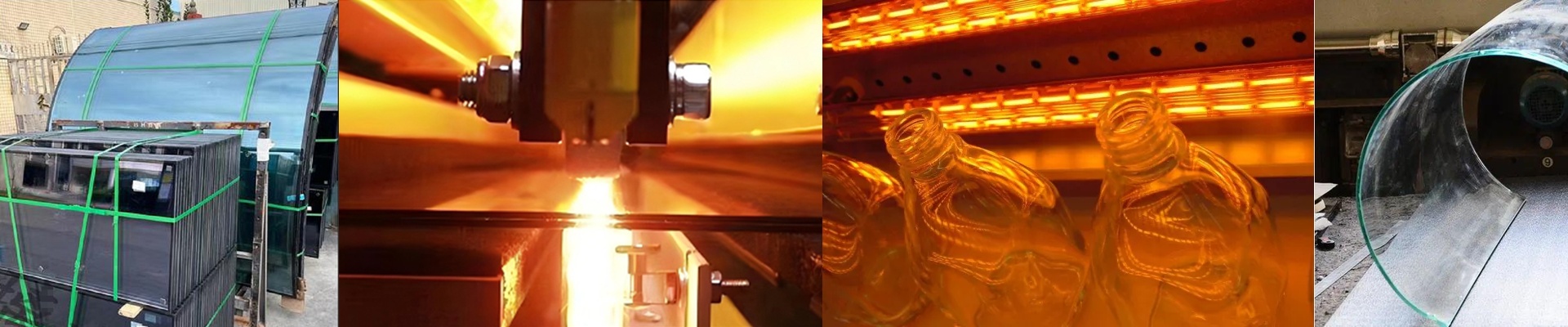
Here’s the thing: an infrared living room heater runs on radiant heat, not on reheating the room air over and over. Inside, you’ll typically find a quartz tube with a high-resistance filament, or a carbon fiber element. It heats up and emits infrared energy that travels outward and gets absorbed by people, furniture, and surfaces. Wavelength is the key detail. Many units are built around short-wave or near-infrared output, which is good at delivering heat directly to the skin and superficial tissues. You feel warmth quickly because the energy transfers on contact, instead of waiting for air to carry it. That’s where the “instant” warmth comes from. Flip it on, and the directional radiant heat starts filling your personal space. For a typical living room setup, 1,000 to 1,500 watts is usually enough to make a seating area noticeably cozier without having to heat the whole house. Safety and control matter as much as output. A stable stand or base keeps the unit from wandering. Tip-over protection shuts it down if it’s knocked over. A thermostat helps prevent the room from overheating, and multiple heat settings let you match the output to how many people are around and how cold it actually feels.
Why it works in a living room
Infrared warmth in the living room isn’t just about nudging the temperature up a notch. It’s about how the warmth actually interacts with your body. When infrared energy is absorbed at the skin, it creates a gentle, penetrating heat that can encourage local vasodilation—blood vessels near the surface open up a bit more. That improved flow helps deliver warmth to hands, feet, and muscles, which is why it reads as “deeper” comfort, not just surface heat. That matters because people sit still in living rooms. When you’re reading, watching TV, or talking, circulation can slow at the extremities, and that’s when the room feels colder than the thermostat claims. Radiant heat targets those areas directly, so you get steadier warmth without constantly chasing the temperature. It also helps with muscle comfort. A consistent, gentle warmth can ease the tightness that shows up after a long day—especially in shoulders and lower back. You don’t need a tropical room to feel relaxed; you need warmth that reaches you where you actually sit. Because infrared heats objects and people first, you can keep the main heating system at a more moderate setting and let the infrared heater handle comfort where you use it. In practice, that can mean less energy wasted heating empty space.
What you need to know
Infrared living room heaters are simple to use, but placement makes a real difference. For the most natural feel, position the unit so the radiant warmth covers the seating area—within a few feet of where you sit, aimed roughly at the torso and legs, not straight into the eyes. Keep your clearances. The element gets hot, so give it space in front and on the sides, and keep textiles, pets, and kids at a safe distance. Use the built-in safety features—tip-over protection, overheat protection, and a stable base—without blocking the heat path. These heaters warm what they “see.” Walls, floors, and furniture absorb some energy and re-radiate it, which helps even out comfort, but drafts and cold windows still influence how the room feels. In a very drafty room, you may notice the warmth is strongest in the direct line of the heater and less noticeable in corners exposed to cold air. One more point: infrared heaters are designed for supplemental heating. They’re excellent at making occupied spaces comfortable, but they aren’t a substitute for whole-home heating when it’s truly deep cold. Use them the right way—in the living room, aimed at the seating area, and set to a comfortable level—and they provide a straightforward, targeted way to improve warmth, relaxation, and the steady circulation that makes a cold evening feel genuinely cozy.