

Introduction
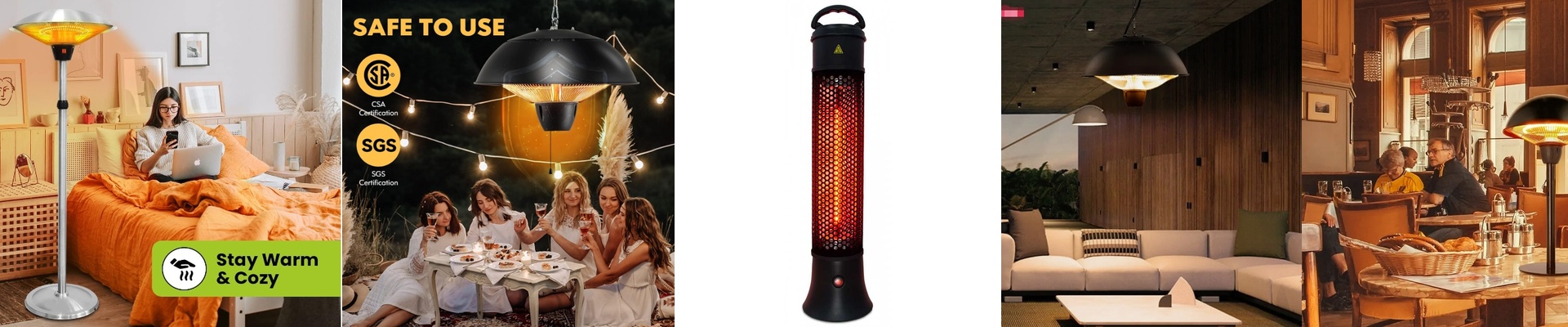
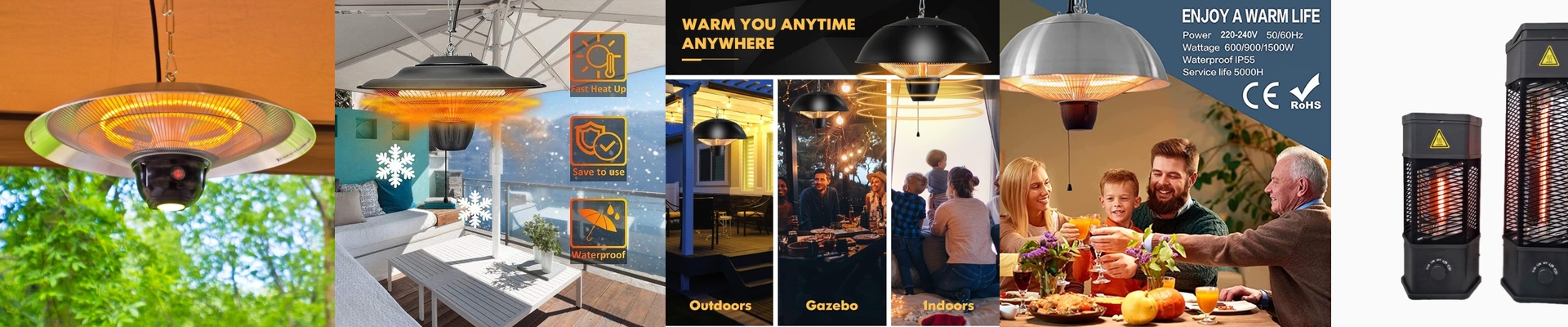
Picture this: a commercial corridor that’s not quite inside, not quite outside. You know the type—covered walkways, transition areas, those semi-open spaces where traditional heaters just throw money at the wind. Seriously, they warm up air that just vanishes. So, we built something different: a programmable electric infrared heater. It doesn’t waste energy heating thin air. Instead, it zeroes in on the spots that actually matter, delivering heat exactly where and when it’s needed.
Technical Deep-Dive: Power, Control, and Environment
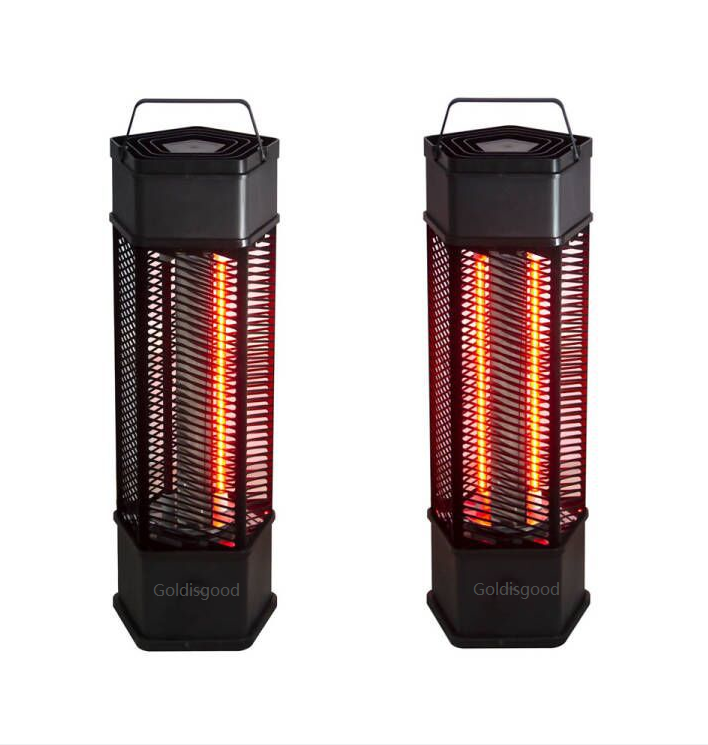
The beauty of this heater? It runs on standard mains power and packs a serious punch with its compact radiant element. But the real magic is in the control. You get to set schedules, define occupancy triggers, and set temperature bands. The heater then adjusts its output on the fly. It’s not just about convenience; it’s smart load management. And let’s be honest, in a semi-open corridor, the wind makes ambient temperature a total wild card. That’s why our controller leans on presence sensing and targets people directly, not the air around them.
Smart Infrared Sensing: The Energy-Saving Mechanism
Infrared heat is naturally efficient because it warms people and surfaces directly—not the air. That’s a game-changer in drafty spaces. We took that efficiency and paired it with an intelligent sensor that watches for foot traffic within a specific zone. When the area goes quiet, the system dials down or goes into standby. The moment someone steps back into the zone, the heater kicks back up, fast. No waiting. No overshooting. It just delivers warmth on demand, avoiding the endless drain of trying to heat a huge volume of air that’s constantly moving.
Application Reality: Corridors, Control, and Trade-offs
Here’s the practical part: this heater is a straightforward upgrade for commercial walkways, covered entrances, and transition areas. Installation is simple. Mount it, wire it into the control circuit, and program when you want it running. The one thing to plan for is coverage. Since infrared heat is directional, you need to position the units so their warmth overlaps the main walking path. You want to avoid cold spots. You’ll see energy savings right away by cutting out idle heating. Just make sure the sensor layout is solid so people don’t have to wait for the warmth to kick in.
Application & Benefits
For engineers and facility operators, this means comfort you can count on—and energy savings you can measure. The programmable logic keeps the system off when the corridor is empty. Then, when people arrive, the infrared output delivers instant warmth. It’s a setup that helps you meet environmental goals without making anyone sacrifice comfort. And it cuts operating costs by eliminating wasted run-time. Plus, it works easily with building management systems, so you can keep an eye on heating across multiple zones from one central spot.