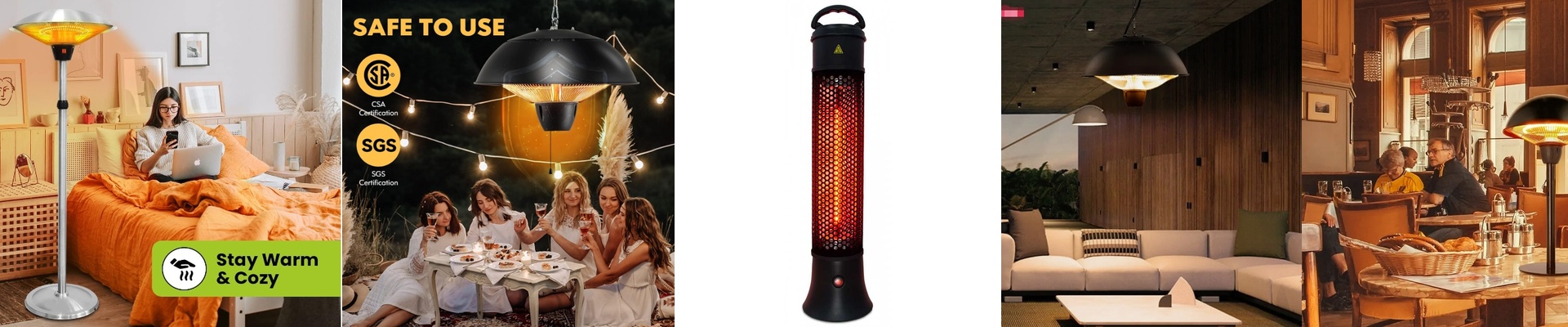
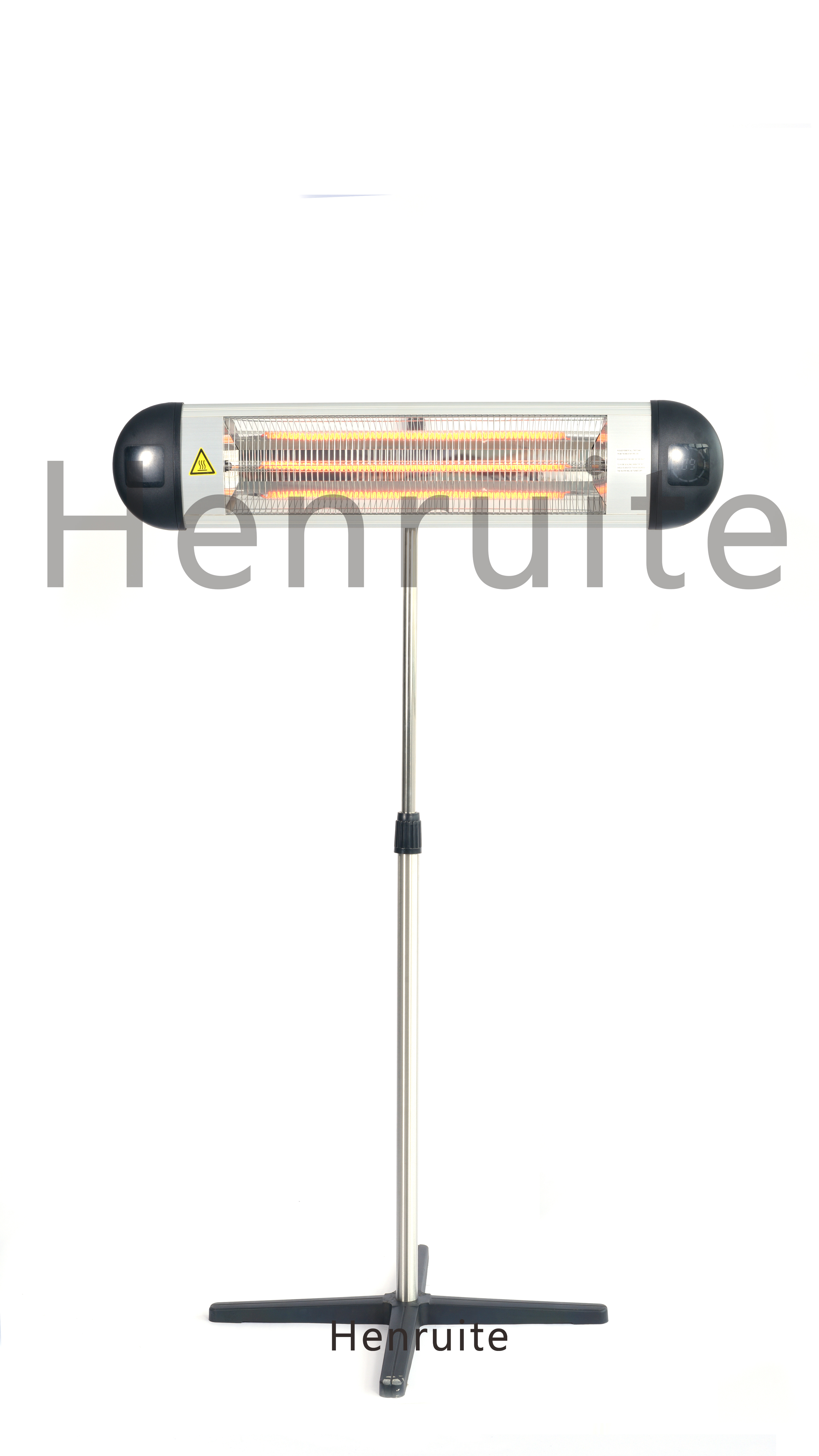
Design teams are already sketching out the 2026 heating lineup, and buyers keep asking the same question every season: what actually moves the market forward? We build our corner fireplace heaters the way we do because comfort isn’t just a number on a thermostat. It’s warmth that hits fast, spreads evenly, and lives quietly in the room without taking up space.
What matters under the hood
Our corner fireplace heaters lean on infrared radiant warmth, pushed out through a long-life quartz tube element and a reflective heat chamber that focuses the output. You get instant heat—no waiting around for a fan to spin up—and you feel it on surfaces and skin, not just in the air. The unit runs on a standard 120V household circuit, so it plugs in clean and doesn’t need special wiring. Inside, a thermostat keeps temperature steady, and tip-over protection shuts the heater off if it gets knocked over. The housing stays cool to the touch, and the footprint is slim enough to sit flush in a corner without crowding furniture.
Why this fits what people want
The 2026 trend is straightforward: people want heating that looks intentional and just works. A corner fireplace heater earns its spot by turning an underused corner into the warmest seat in the house. You get cozy comfort within minutes—whether you’re reading, watching TV, or gathering with family. Because the warmth is radiant, it doesn’t stir up dust or dry out the air the way forced-air systems can, and the steady temperature means fewer uncomfortable swings. In practice, that means a calmer room, less operating noise, and heat that feels more natural.
The practical details
For best results, place the heater where people actually gather, and keep at least three feet of clearance from furniture, curtains, and other combustibles. It’s designed for indoor use in dry living spaces, so don’t leave it exposed to rain or high humidity. It’s efficient for spot heating, but it isn’t meant to replace whole-home heating in very cold climates. If you want consistent comfort in a larger open-plan area, pair it with a second heat source and use a thermostat-controlled model to match the room’s needs.