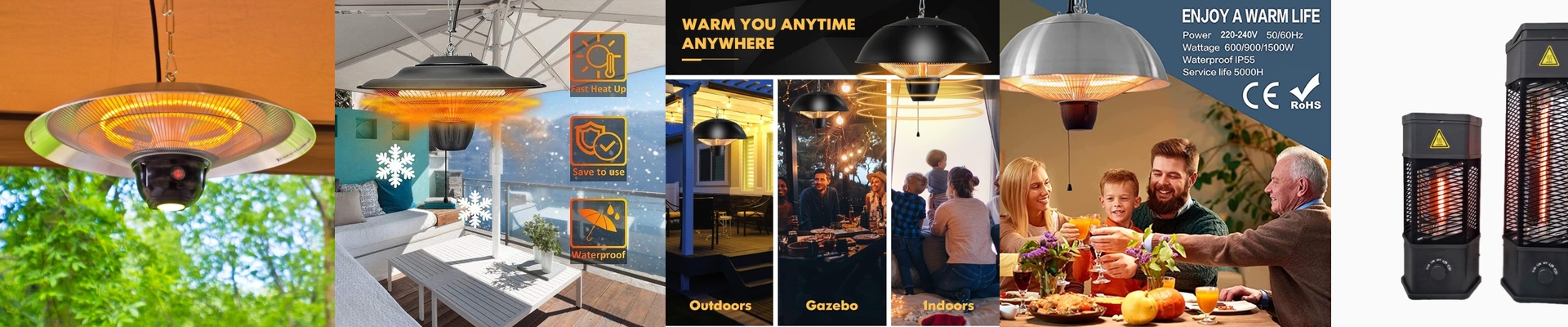
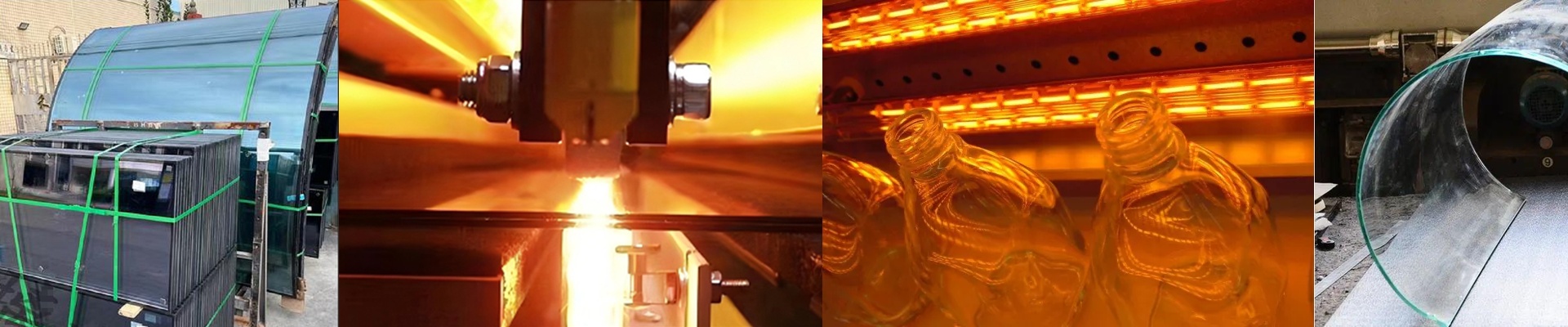

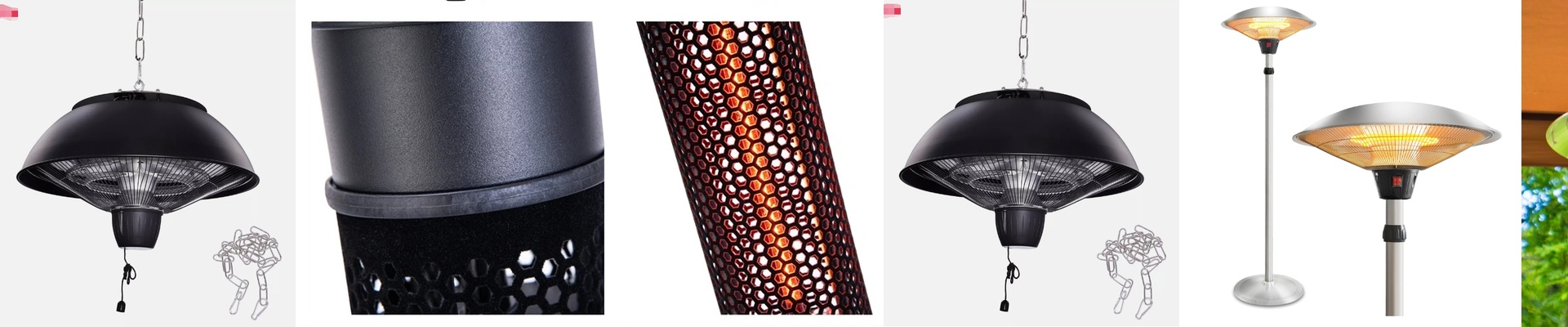
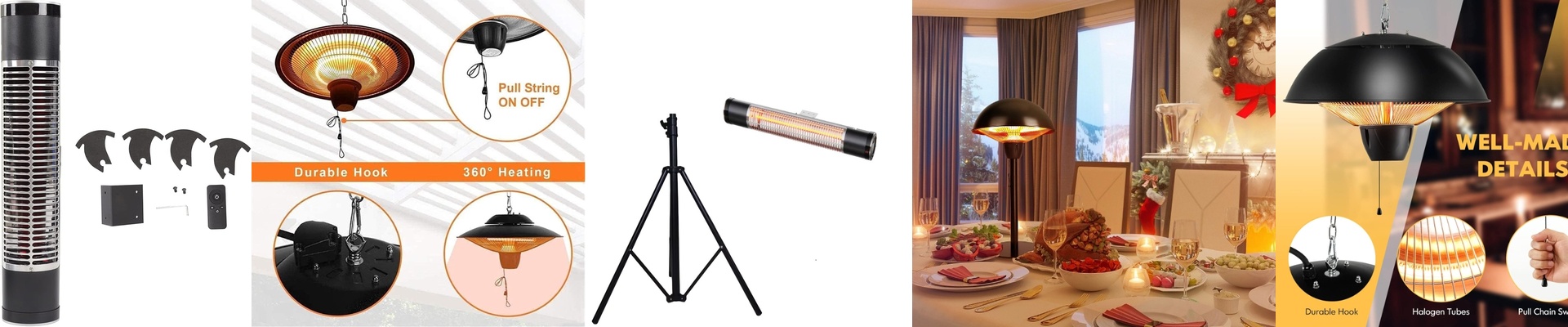
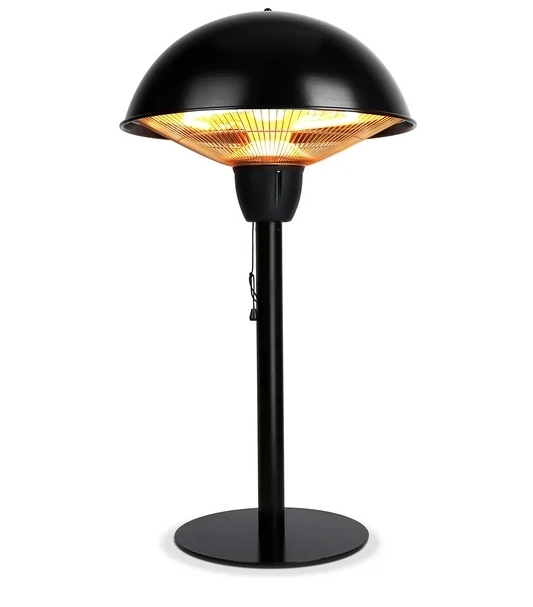
When the air gets that bite and evenings start stretching out, you learn pretty fast what separates an outdoor heater that earns its keep from one that just looks good on paper. We built these infrared panel heaters to hit a straightforward mark: performance that holds its own against the premium brands, but priced the way it should be when you cut out the markups and middlemen. Just solid warmth, engineered to last.
What matters under the hood
These infrared panel heaters run on a carbon fiber element inside a tough quartz tube. That gives you clean, instant radiant heat—warming people and objects directly, instead of fighting to heat the air around them. The upshot is consistent comfort with less wasted heat, even when a breeze keeps cutting through. You can spec them in 120V or 240V, and they deliver up to 1500W of targeted warmth. A standard NEMA plug keeps the hookup straightforward for typical home setups. Inside, a thermostat holds the output steady, and tip-over protection adds a practical safety margin. For outdoor use, the IP rating means the unit is built to shrug off dust and splashes.
Why this approach holds up in the real world
We run production on the same lines we use for export partners, so the build discipline and quality control meet the same standards—just without the premium price tag. On a backyard patio or a covered deck, that translates to warmth that comes on quickly, quiet operation, and running costs that are usually lower than what you get with gas heaters. The radiant heat feels natural, too—more like standing near a warm surface than waiting for the air to catch up. It helps you stay comfortable longer, and that’s what keeps people using the space after the sun goes down. Strong components mean fewer headaches down the road, and more time actually enjoying the season.
The practical details that make the difference
Infrared warmth is directional, so aim the panel toward the seating area, not off to the side. If you need broader coverage, run multiple units or pair with a convection heater to keep air moving. Installation is straightforward, but outdoor circuits should be GFCI-protected and properly rated for the load. The heat arrives fast, but the most comfortable setups plan for even coverage—think of it like placing a warm lamp where you need it most.