
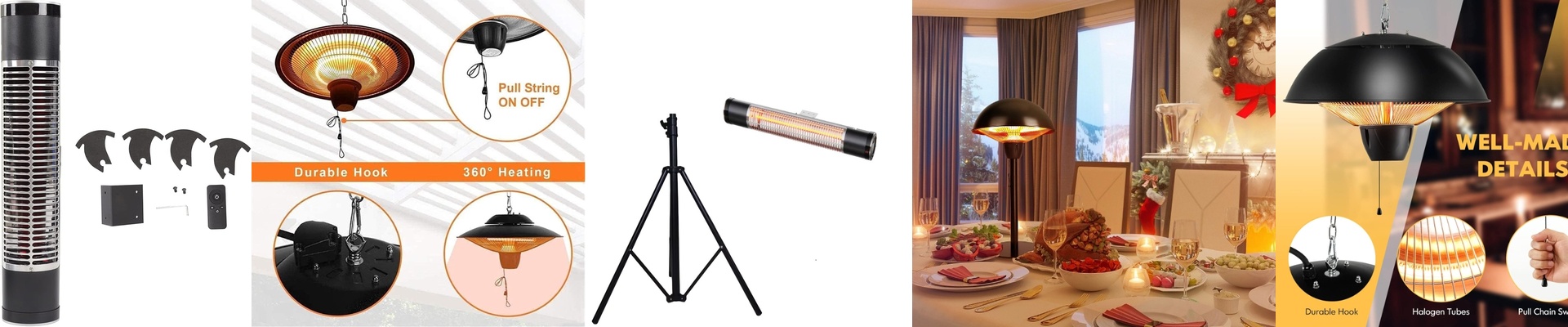
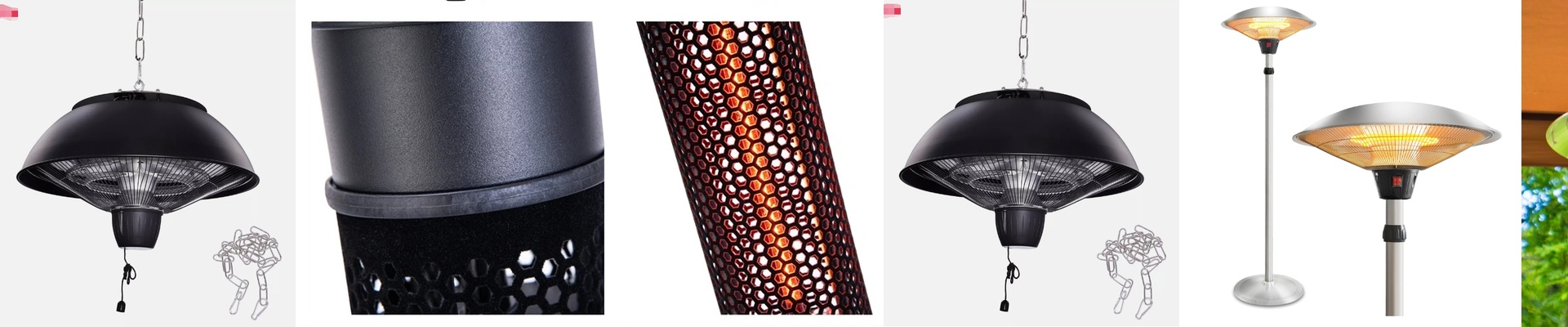
On the insulating glass line, the sealant cure window is where you fight the daily trade-off: throughput versus quality. Under-cured beads? You’re practically inviting moisture ingress and fogging. Over-cure, and you’re wasting energy and pushing thermal stress into the edge—then you get spontaneous fracture after cutting. Convection ovens tend to drift across the profile, and the slow ramp-up drags out cycle time. What you need is heat that lands on the bead, not the frame, and stabilizes fast. What we build into the cure module We run the curing module on near-infrared (NIR) emitters. The radiation is directional, so it penetrates the sealant surface and cures from the inside out. That gives you a uniform thermal field across the bead width, with tight zone control and minimal bypass heating into the spacer and primary seal. The response is immediate—full output in seconds, no warm-up idle—so line speed doesn’t get jerked around. Energy use drops because the energy goes where it’s needed, not into heating air or machine frames. The emitters run at industrial voltages and are packaged as compact strips and reflectors. Size them to match standard IG assembly stations, and they retrofit cleanly into existing presses and sealing tables. Why it holds up in real production In the flow, NIR curing shortens the bead cure cycle and cuts scrap from edge stress and cosmetic issues. Repeatable temperature control improves adhesion and bead geometry, so primary and secondary seal integrity stays consistent. Because the heat is directional, you get repeatable results without overheating the glass edge or the aluminum spacer. That matters when you’re running thin glass, coated lites, or low-e products. The faster ramp supports higher line speeds, and the lower energy draw adds up over a shift. If you’re swapping in a replacement, the module drops into standard mounting footprints—downtime is hours, not days. The practical details—what to watch for NIR performs best when the bead path is consistent and you account for glass emissivity. Dark or coated surfaces absorb differently, so setpoints need tuning by glass type. Clear float can reflect more energy, so calibration matters. Keep emitters clean and maintain proper clearance to the bead. Any obstruction throws shadows and creates uneven cure. You’ll see a bit more ambient heat around the station—plan ventilation and guarding. Match the power density to your line speed and bead profile, and you’ll get a cure that sticks, cycle after cycle.