
Stop Dreading Your High-Ceiling Heaters
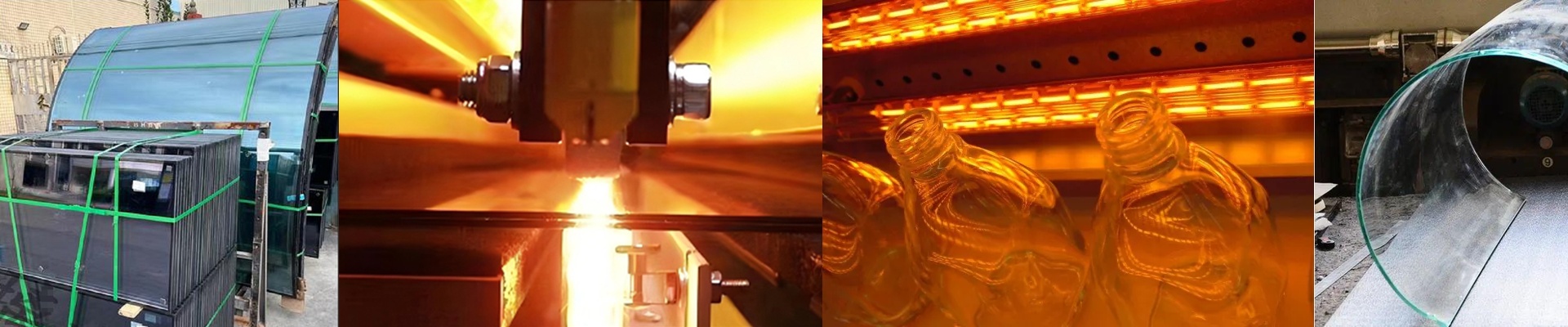
Let’s be honest: putting heaters in a factory with massive ceilings is usually a logistical nightmare. When a heating element burns out thirty feet up, you aren’t just dealing with a dead part. You’re dealing with the cost of renting a scissor lift, blocking off aisles, and potentially shutting down a production line. It’s a huge pain. That’s exactly why we built our infrared units to be modular. We wanted to get rid of that friction.
Swapping parts shouldn’t be a project
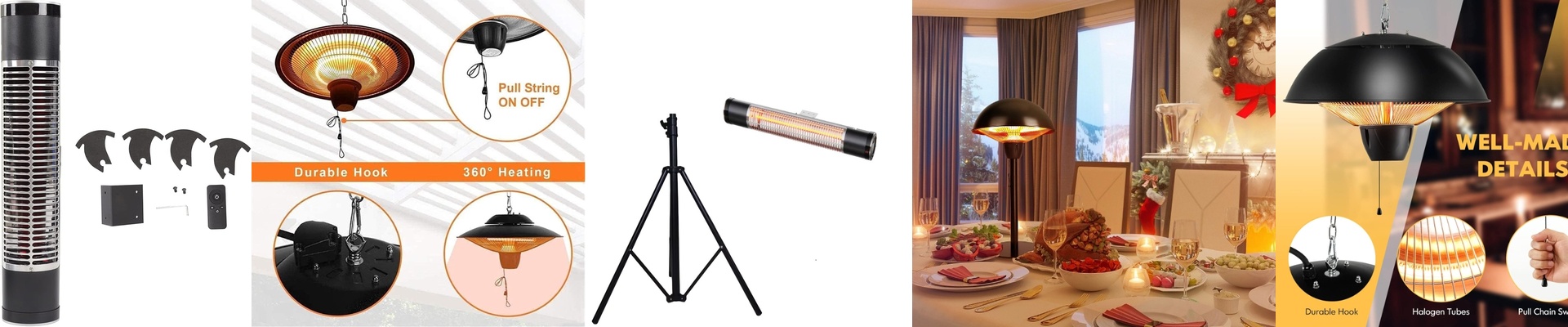
Most industrial radiators are welded or hard-wired. If one single tube goes bad, you’re basically forced to rip out the entire chassis and start over. It’s overkill. Our system works differently. We used a plug-and-play setup. If a tube gives out after five years of hard use, you don’t tear down the whole rig. You just swap that one specific module. We use standard connectors, so it’s a simple drop-in. You pull the old tube out, slide the new one in, lock it down, and you’re done. It turns a job that used to take hours into something that takes a few minutes.
A quick heads-up on the power
Here is the thing about high ceilings: you need a lot of heat density to actually feel the warmth by the time it hits the floor. To get that “punch,” we use higher wattage elements. But more heat means a heavier load on your wiring. Just make sure your circuit breakers and wire gauges are ready for the peak load of the whole array. You don’t want to be dealing with nuisance tripping right in the middle of a shift.
What this actually means for your shop
This shift in design turns a “major overhaul” into just another routine task. Your team can handle a quick swap without a massive teardown. This keeps your floor clear and your machines running. You can stop stressing about how high your ceilings are and just focus on keeping your people warm.