
Stop Letting a Single Dead Bulb Kill Your Production
When you buy an industrial infrared heater, you aren’t just paying for heat. You’re actually signing up for a maintenance schedule. Here’s the reality: heating lamps eventually burn out. It’s just what they do. But if your system is built in a way that requires a total teardown just to swap one tube, you’re losing hours—maybe days—of production. That’s a massive headache nobody needs. We decided to fix that by rethinking the whole design.
The “Drop-In” Approach
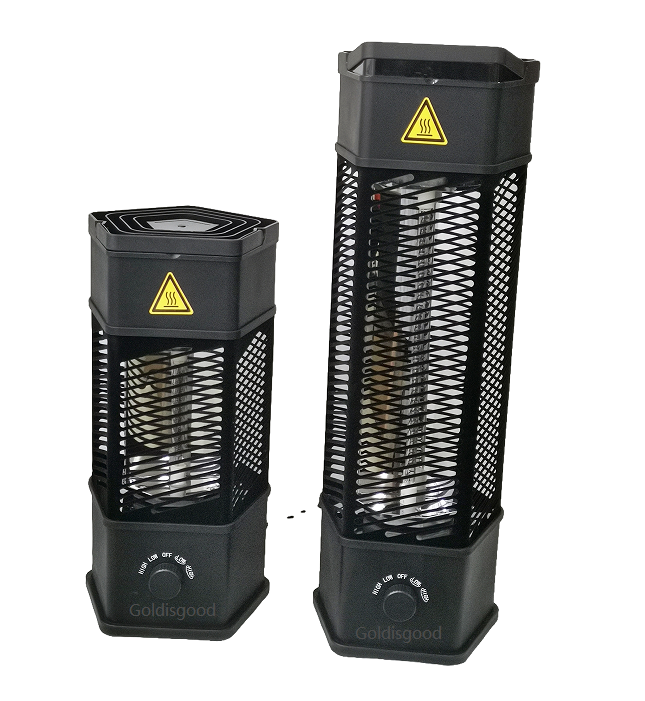
We build our heaters with a simple philosophy: make it easy to fix. Instead of hard-wiring lamps into a permanent frame, we use a modular setup. Think of it like a slot. The heating element sits in its own dedicated space with quick-disconnect terminals. When a tube finally gives up—which usually happens around the 5 to 8 year mark—you don’t have to rewire the entire panel. You just pull out the dead tube, slide in a fresh one, and lock it down. It’s that simple.
What Happens at Year Five?
After five years of heating up and cooling down, the quartz glass and internal filaments start to wear out. You’ll notice the light dimming, or the circuit will just snap. In an old-school setup, this is where the nightmare begins. With our modular design, a tech can swap the element in a few minutes. Everything is standardized, so the new part fits exactly where the old one was. No drilling new holes. No messing around with brackets. Just a quick swap and you’re back in business.
The Trade-Off
Now, full disclosure: modular designs have more connection points than a permanent, soldered assembly. Because of that, you’ve got to make sure your terminals are tight. We recommend a quick check once a year. If a connection gets loose, it can create a hot spot that might melt some of the housing plastic. It’s a small chore, but it’s a tiny price to pay compared to replacing your entire system. You get a machine that stays on the line longer. You spend way less on labor. And most importantly, the heat stays on.