


Making Your Ceiling Heaters Actually Smart
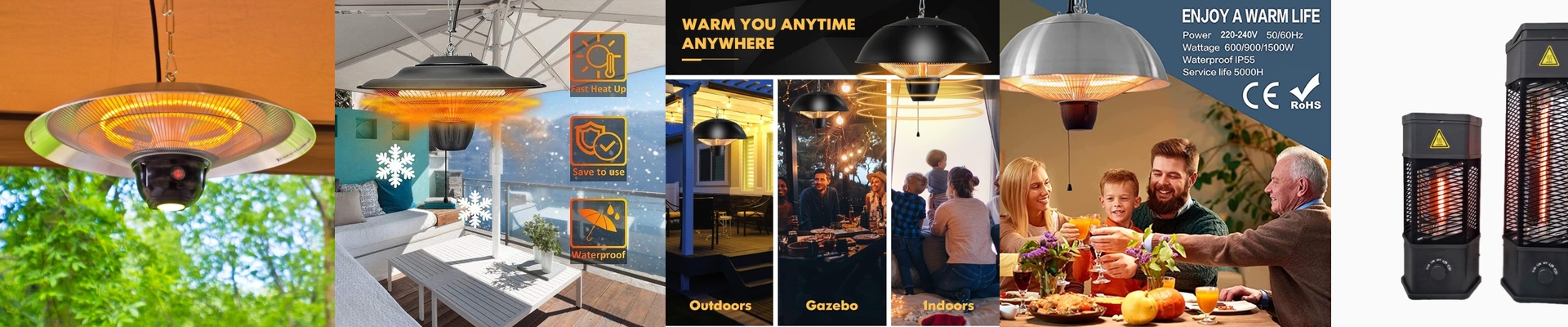
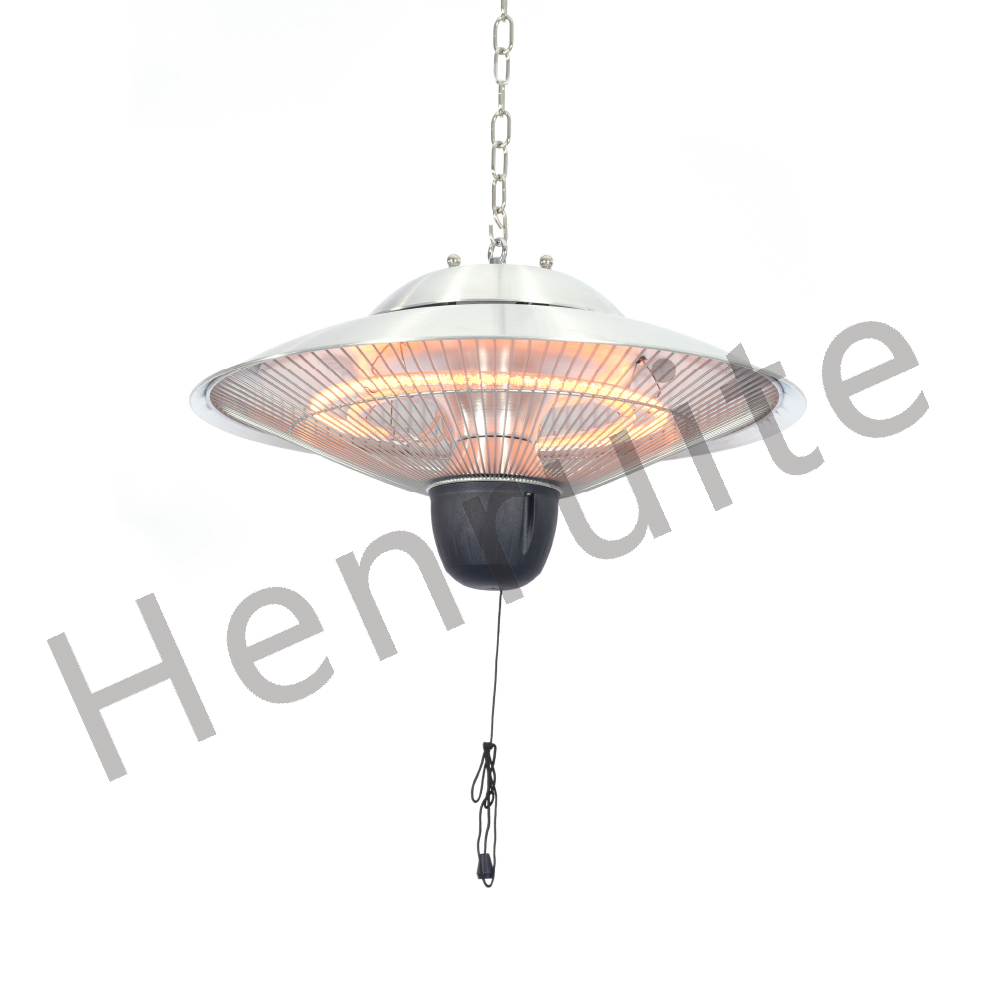
Here is the deal with recessed infrared heaters: they don’t bother warming up the air in the room. Instead, they beam heat directly onto you and whatever you’re sitting on. It feels more like standing in a patch of sunlight on a cold day. When you plug these into a smart home setup, you’re basically just giving a powerful piece of hardware a brain. The Gear You’ll Need You can’t just slap a cheap smart switch on these things. They pull a lot of power. To make it work, you need a heavy-duty smart relay or an IoT controller that can actually handle the wattage. This little device sits between your power line and the heater. It listens for a signal—whether that’s via Wi-Fi, Zigbee, or Matter—and then flips the physical switch for you. Since most of these use shortwave infrared, they hit their top temperature almost instantly. There is nothing quite like hitting a button on your phone and feeling that warmth hit your shoulders a second later. Setting Up the Logic The real magic happens when you stop thinking about “switches” and start thinking about “scenes.” Imagine a “Morning” routine. You tap one button, and suddenly your coffee starts brewing and the bathroom ceiling heater kicks in. No more shivering while you wake up. I also love pairing these with motion sensors. The heater fires up the moment you walk into the room and shuts off the second you leave. It’s a simple way to keep the house cozy without accidentally heating an empty room all day. A Few Warnings from the Trenches Adding smart controls makes the wiring a bit more crowded. You’ve got to make sure your junction boxes are big enough to hold both the thick heater cables and the thinner control wires. If you jam them all in there, you risk heat buildup around the relay, which is a recipe for trouble. And please, check your amps. If you’ve got a 2000W heater but you use a 10A relay on a 110V circuit, you’re going to fry your controller. It’s not a fun way to learn a lesson. My rule of thumb? Always oversize your relays by about 20%. It gives you a safety buffer for that initial surge of power and keeps everything running cool.