
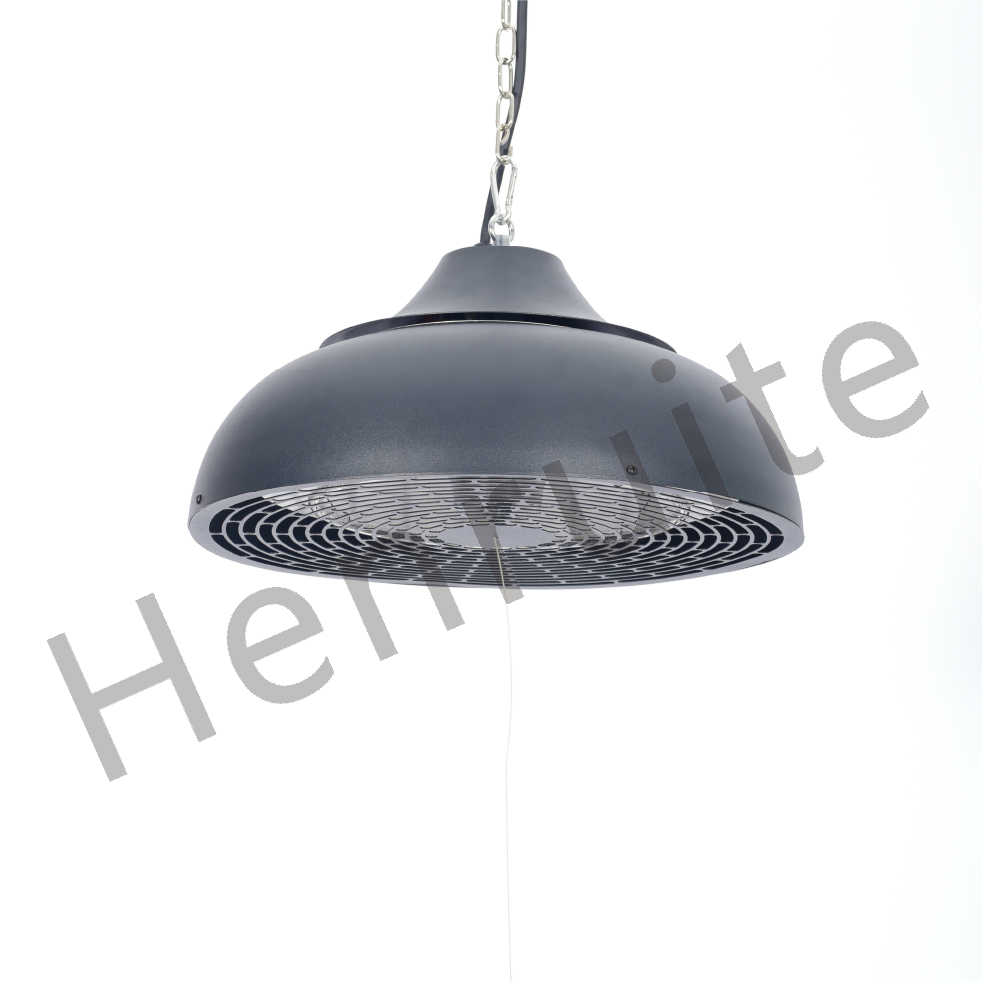
Why we put our bathroom heaters through “the torture chamber”
Bathrooms are absolute nightmares for electronics. Think about it: you’ve got thick steam, wild temperature swings, and water vapor practically fighting its way into every crack. Now, you’ll see an “IP65 rating” on the box. That’s great, but it basically just means the case can handle a splash of water on day one. It doesn’t tell you if the guts of the machine will still be working after six months of heavy steam. That’s why we put every batch through damp-heat aging tests. We basically try to break them so you don’t have to. The hidden danger of steam Here’s the thing about water vapor: it’s sneaky. It doesn’t just sit on the surface; it finds those tiny, microscopic gaps in the seals and settles right on the electrical contacts. Over time, that leads to rust and weird electrical leaks. If the insulation gives up, you get a short circuit. Simple as that. To stop this, we toss our heaters into high-humidity chambers. We’re simulating years of steamy showers in just a few weeks. We want to find the exact moment a seal fails or a wire burns out while it’s still in our lab. Looking past the labels A standard IP65 test is just a snapshot. It proves the unit is sealed when it leaves the factory. But an aging test proves the seal stays tight. We spend a lot of time looking at the circuit boards for “creepage”—which is just a fancy way of saying we check if moisture is creating accidental bridges for electricity to travel where it shouldn’t. By stressing the unit with heat and humidity at the same time, we make sure the electricity stays exactly where it belongs. The balancing act There’s a catch, though. If we make the seals too tight to keep every drop of water out, we accidentally trap the heat inside. If we overdo it, the internal driver basically cooks itself. It’s a bit of a tug-of-war. We have to tweak the gaskets and the vents just right so the unit can breathe without letting the steam in. One quick tip: if your bathroom has zero airflow, the heat has nowhere to go. In those cases, you’ll want a unit with a bigger heat sink to make up for that tight sealing.