The Headache of Long Tunnel Kilns (And How We Fix It)
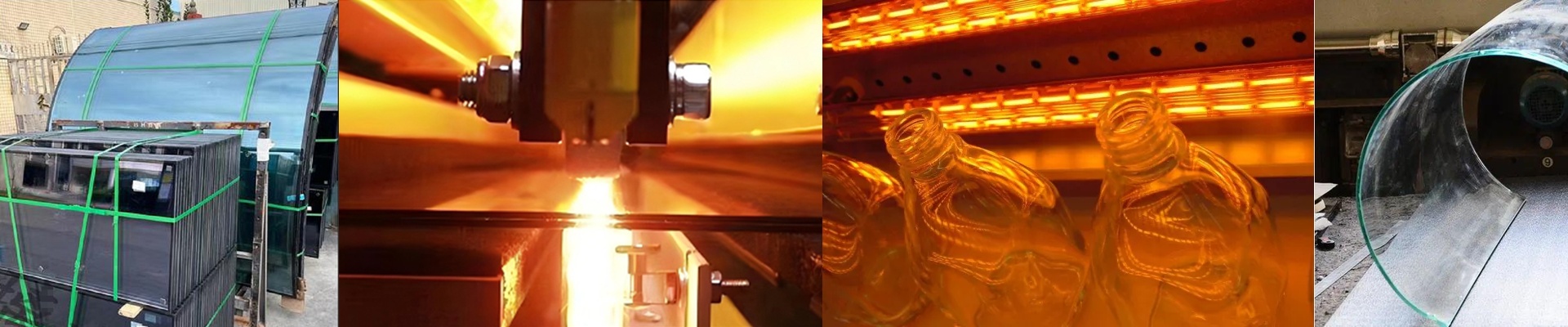
Most infrared lamps stop at 1.5 or 2 meters. That’s fine for a small setup, but if you’re running a glass tunnel kiln, those standard tubes just don’t cut it. You end up with gaps, cold spots, and a thermal profile that looks more like a rollercoaster than a straight line. We do things differently. We build custom infrared units that go way beyond 2 meters, so your heat stays steady from the moment the glass enters the tunnel until it comes out the other end.
It’s Not Just About “Making It Longer”
You can’t just stretch a filament and call it a day. When a tube gets that long, the internal resistance shifts. Here’s the thing: if you just crank up the current without tweaking the voltage, you’re asking for trouble. You’ll likely see uneven heat or, even worse, the end caps will burn out way too early. We spend our time balancing the wattage per centimeter. It’s a bit of a balancing act. We make sure the center doesn’t cook your product while the edges stay lukewarm.
Dealing With the Glass
We use high-purity quartz because it can take the heat. But let’s be honest—a tube over 2 meters is basically a giant, expensive noodle. It’s fragile. If you aren’t careful during installation, it can bow or just snap. To stop that from happening, we design these to slide into a dedicated rail system. It holds the weight and keeps the filaments from feeling any mechanical stress. It just sits there, safe and secure.
The Trade-off
There is a plus side to going long: fewer electrical connections and way less wiring cluttering up your floor. But there’s a catch. When a 2.5-meter tube finally gives out, you can’t just pop it out in two seconds. You need actual breathing room in the tunnel to slide the unit out. Because of that, we always suggest using modular supports. It makes the whole “swap out” process a lot less stressful and gets your line moving again much faster.