How to actually get heat into a wet room
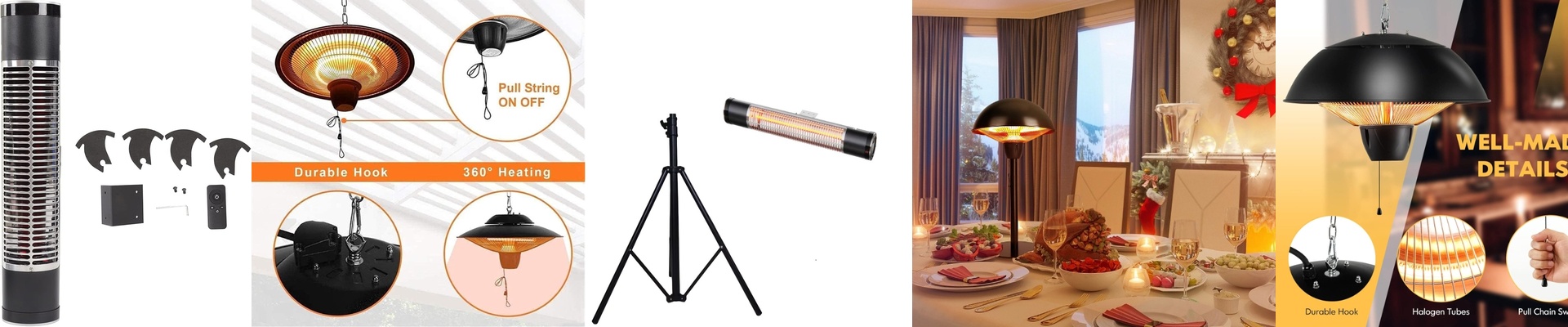
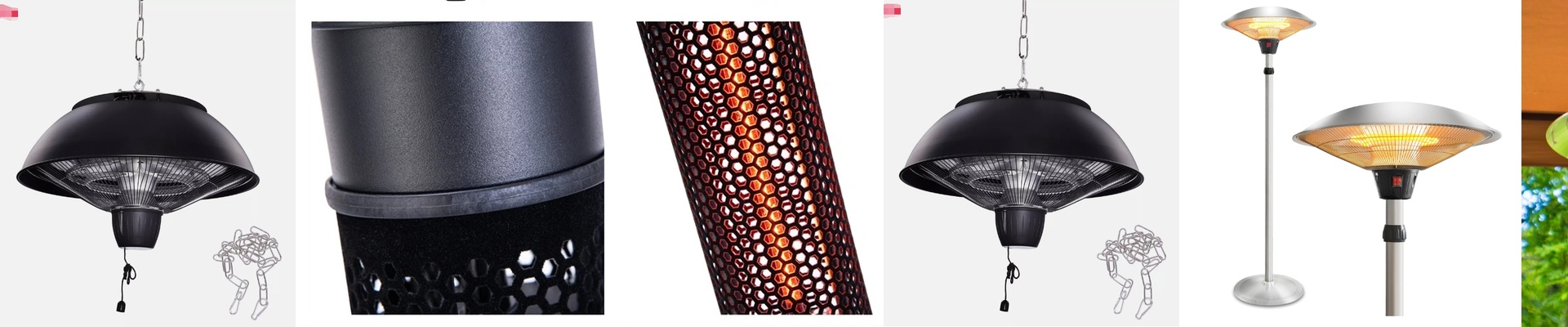
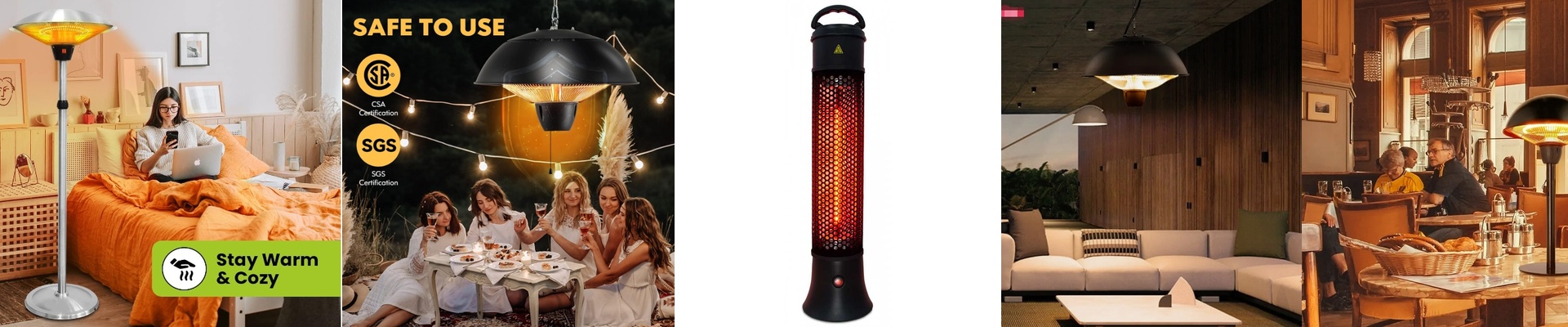
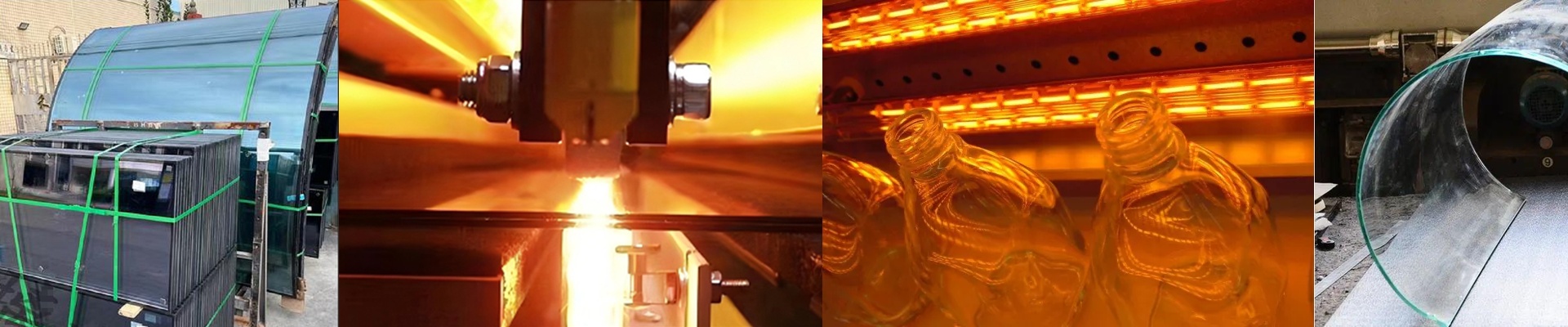
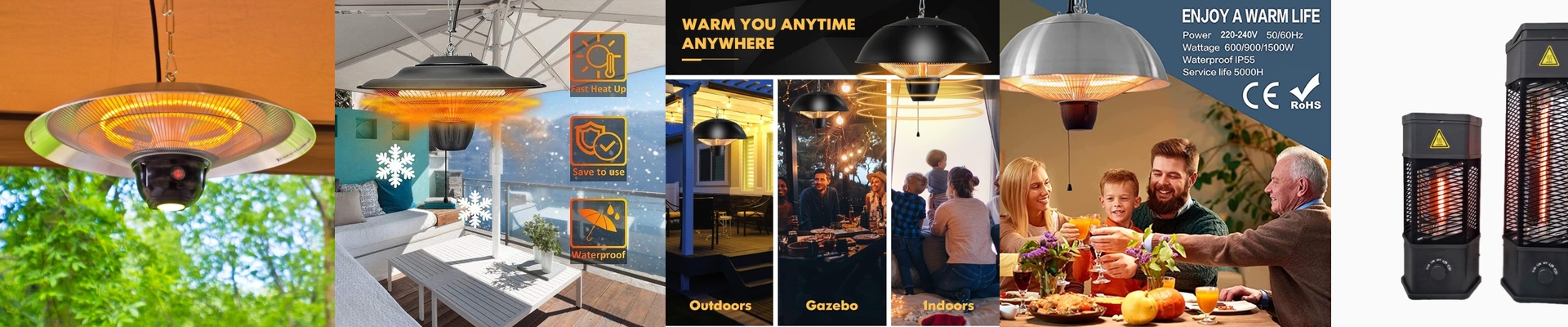
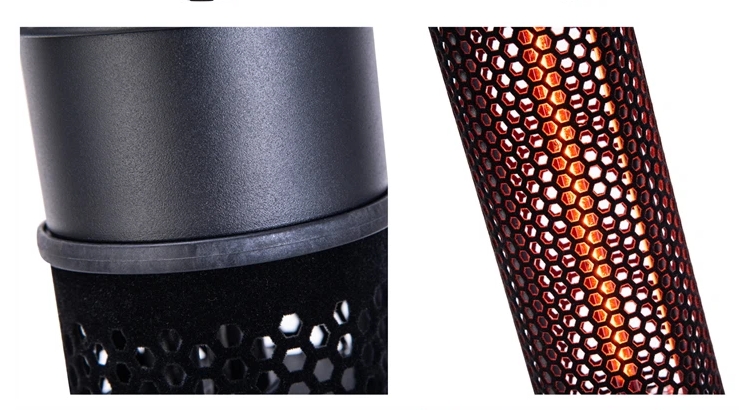
If you’ve ever stepped out of a shower into a freezing cold changing room, you know exactly why this is a problem. It’s a nightmare. Trying to heat those kinds of spaces—outdoor transition zones or locker rooms—is a bit of a headache because you’re fighting a constant battle with humidity and splashing water. We handle this with shortwave infrared (IR) tech tucked into waterproof shells. Here is the secret: we aren’t trying to heat the air. That’s a waste of time. Instead, the IR emitters send heat straight to the person standing under them. Instant warmth. No waiting. We go with shortwave emitters because they hit higher temperatures and shorter wavelengths. In plain English? The heat cuts right through the thick, humid air without getting lost along the way. The moment you flip the switch, the filament is hot in milliseconds. It’s almost instant. You don’t have to wait an hour for the room to “warm up” while you’re shivering in a towel. You just feel the heat immediately. Dealing with the damp Most IR lamps hate water. Put a standard one in a steam room and it’ll corrode or short out pretty fast. To stop that from happening, we use high IP ratings. We seal up every electrical junction and use tempered glass fronts to keep moisture away from the quartz tube. It ends up being a sealed system that can take a real beating from steam or direct sprays without quitting on you. A few things to watch out for There are a couple of catches you should know about. First, these heaters pull a lot of power. If you’re putting a whole row of them in a commercial space, your wiring needs to be ready for that initial surge. I always suggest using dedicated circuits. It’s a lot better than dealing with a tripped breaker in the middle of a rush. Also, remember that shortwave IR is directional. It’s like a flashlight, but with heat. If you mount them too high or at a weird angle, the heat misses the mark. You lose that “luxury” feeling because the warmth isn’t hitting the person where it counts. At the end of the day, where you put the heater matters way more than how many watts it has.