Introduction
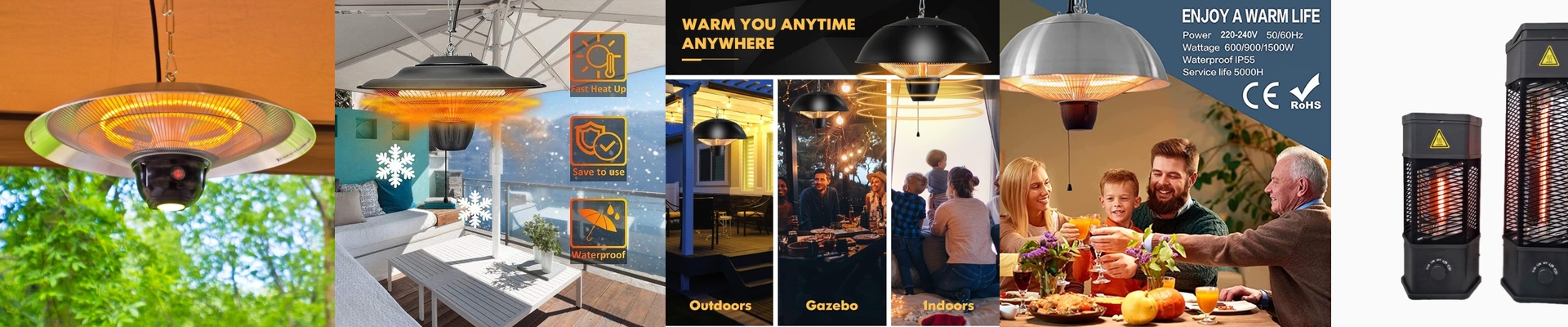
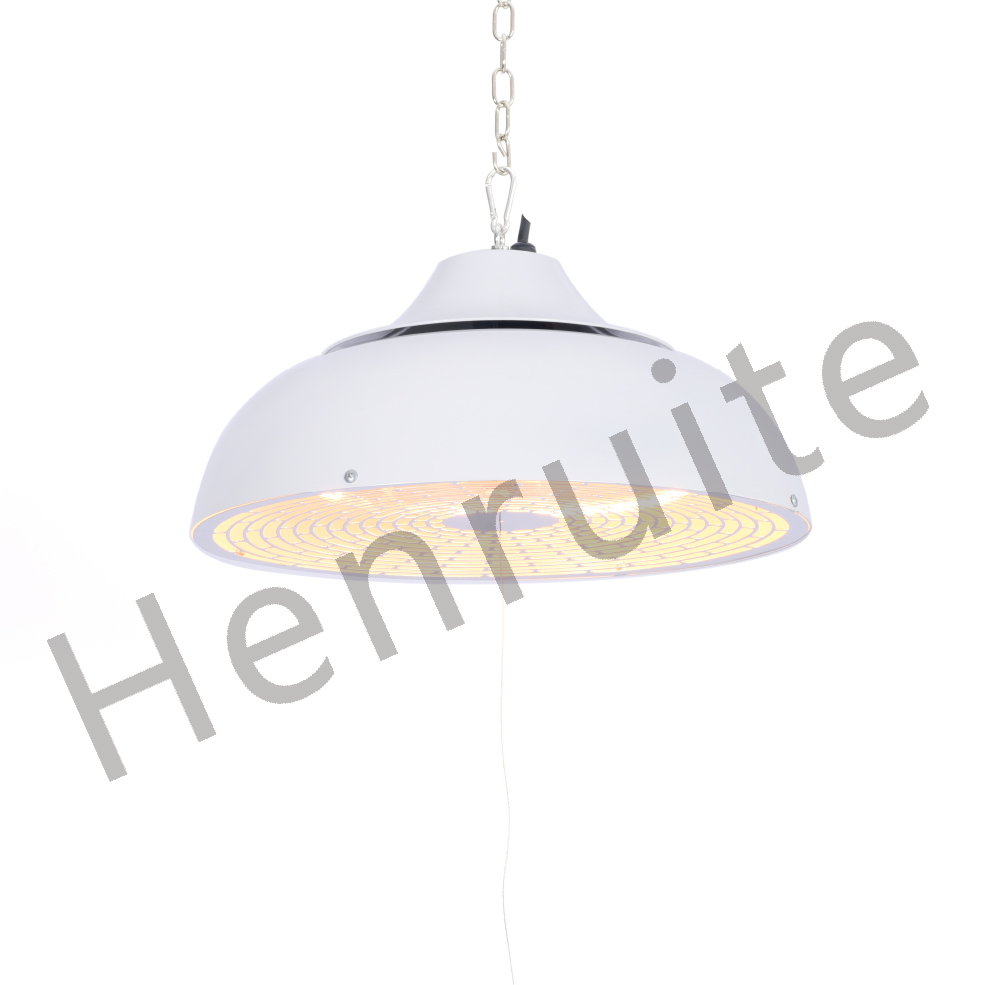
So, we built this outdoor patio heater for the real world—specifically for bars, restaurants, and other open-air spots that need warmth, but don’t have time for fluff. It’s all about direct radiant heat. That means you feel the warmth where you need it most, right on people and surfaces, instead of wasting energy trying to heat the whole empty sky. The heart of it is an infrared element, tucked inside a housing that’s fully waterproof. It’s meant to live outside, exposed to the elements, and just keep working.
How It Actually Works
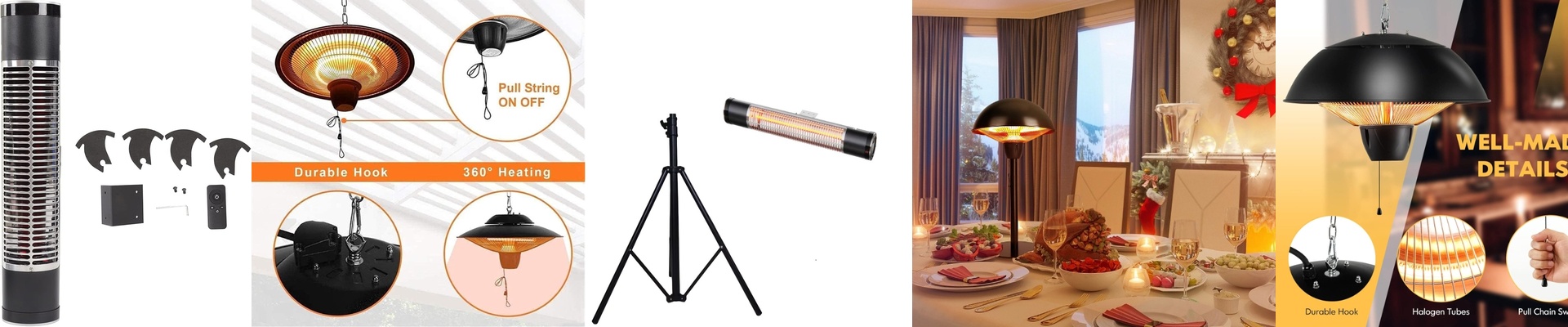
Plug it in. That’s it. It runs off a standard electrical outlet and gets straight to the point. The element heats up fast and throws warmth directly onto your guests and their tables. No point in fighting the wind by trying to heat the air around them. This just cuts through the chill, right where you want it. The wattage is tuned for patio spaces, so you get serious heat without a massive footprint. It’s easy to mount and move around as needed, without a whole construction project just to set it up.
The Stuff It’s Made Of
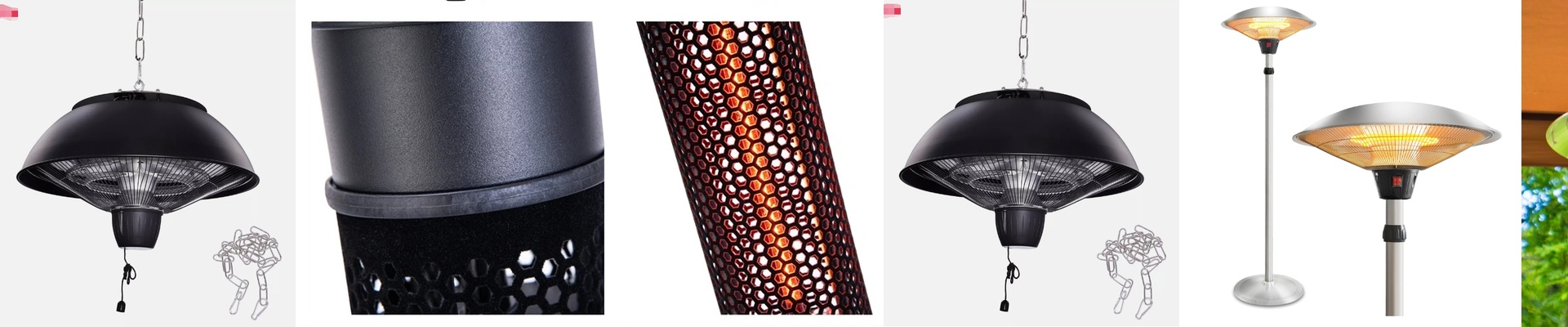
We went with a quartz infrared element because it responds instantly and is built to last, even when it’s constantly heating up and cooling down. The tube has a protective coating, so it just shrugs off moisture and whatever else the environment throws at it. The whole housing is sealed up tight to an IP standard, so no water is getting into the electrical bits. Rain or high humidity? It doesn’t matter. It just keeps running. And when it’s time to install? The connectors are designed for quick, tool-free setup. Seriously, the wiring is straightforward, so you can get it online fast and keep things moving.
Real-World Use and What to Keep in Mind
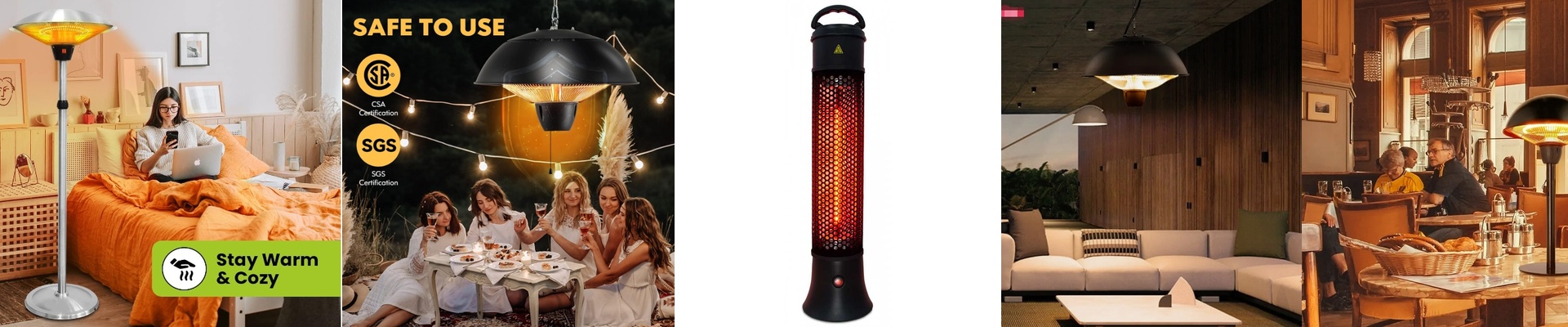
Imagine your bar or restaurant patio on a chilly night. This heater gives your guests that cozy, fire-like warmth right in their seats. It’s immediate, comforting, and it’s all electric, so it’s clean and easy. Because it’s waterproof, you can put it right where you need it, out in the open. You don’t have to hide it under a shelter. Now, the one thing to remember is that this warmth is focused. It’s directional. So you do need to plan where you place it to make sure you’re covering the right area. And you’ll want to make sure there’s enough ventilation so the warmth doesn’t build up too much. It’s a tough, practical solution for anyone who needs reliable heat outdoors, without the fuss.