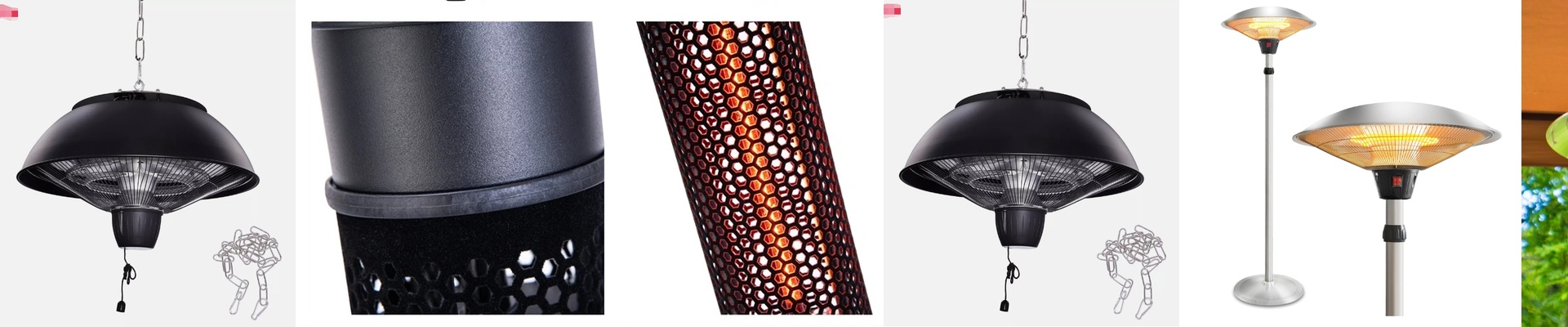
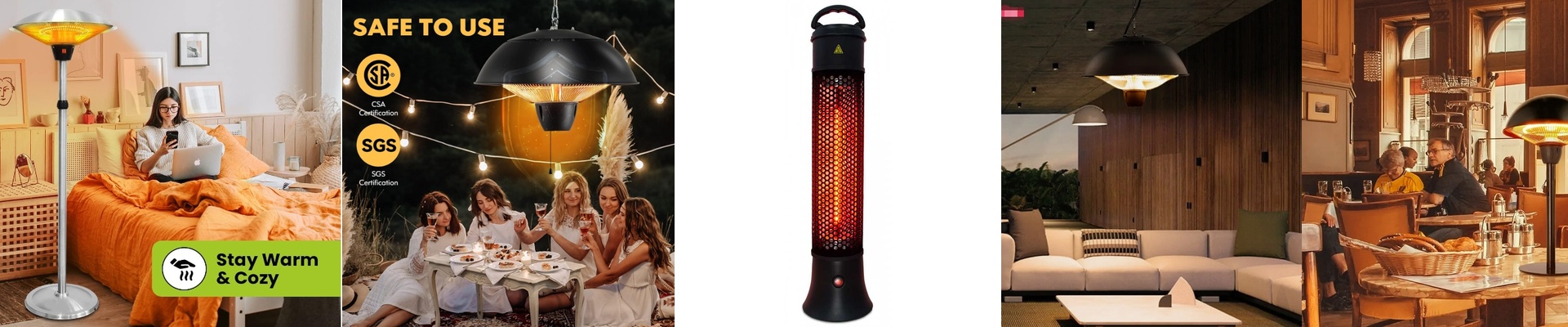
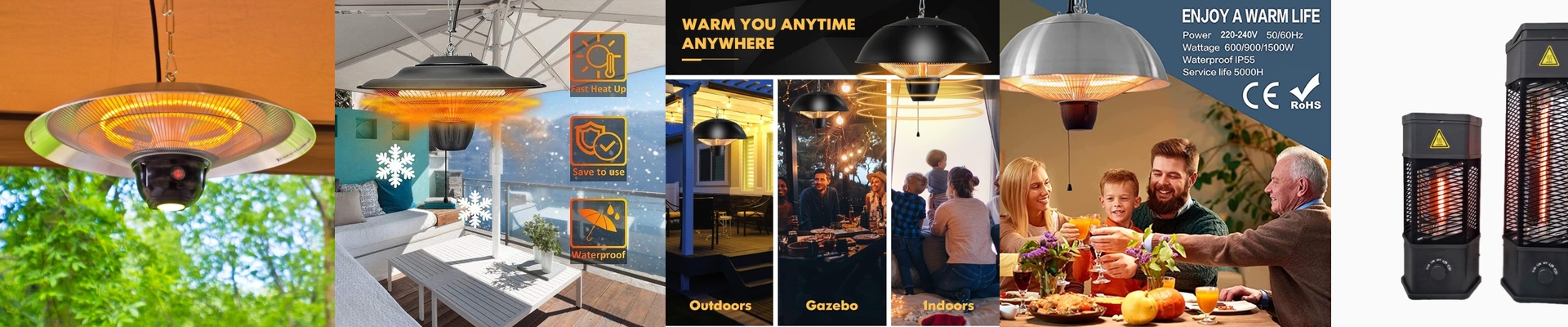
Step onto a premium patio at dusk. The air is crisp, the lighting is intentional, and the whole setup is meant to feel unhurried. But one thing can wreck that mood in minutes: lingering cold. The moment the temperature dips, guests start tightening coats, lingering turns into leaving, and the brand’s promise of comfort falls flat. We built our WiFi electric infrared heater to stop that moment before it starts.
What matters, under the hood
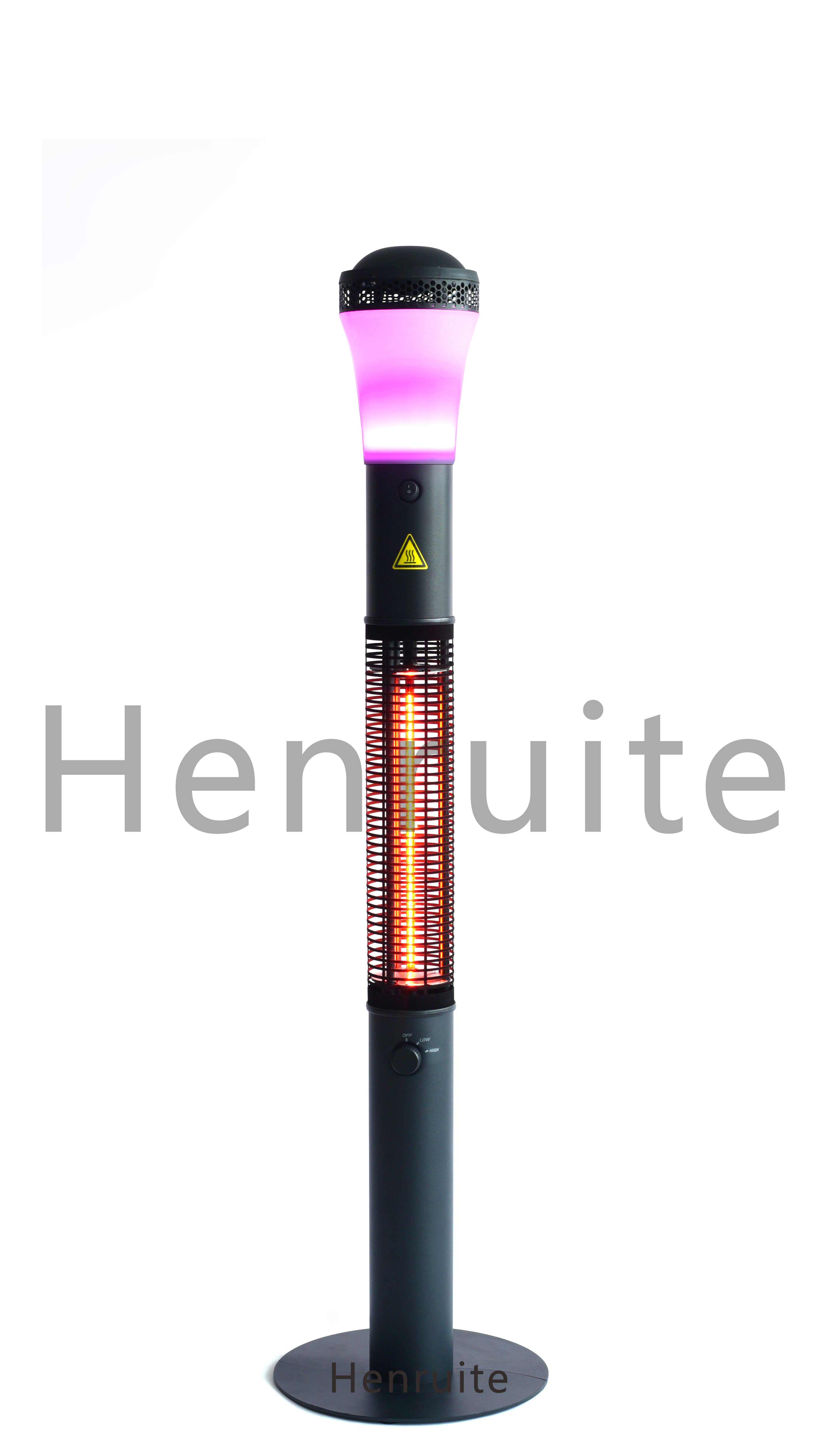
This is an electric infrared heater, built around a carbon fiber heating element. We chose it for fast response and even radiant output. It puts out 1500W of focused warmth—enough to create a comfortable microclimate for small groups without blowing air around. It runs on standard 120V and plugs in with a grounded cord, so setup is straightforward for most outdoor outlets. The real upgrade is control. Built-in WiFi means you can schedule and tweak settings from the app—preheat before service, adjust during the shift, and power down after closing. The integrated thermostat holds the temperature steady, so you don’t get swings. For safety, tip-over protection shuts the unit off if it gets knocked over, and the outer grill stays cool to the touch.
Why this fits high-end patios
Coffee shops and boutique patios pick this model because it matches their look and their expectations. The slim profile slips into tight spaces, and the warm glow reads as design, not as an eyesore. Infrared warmth targets people and surfaces directly, so guests feel cozy fast—especially when they’re seated for conversation, not moving around. That speed changes the operation. Tables turn over more comfortably, staff aren’t working while shivering, and guests stay longer without driving up heating costs. The experience stays consistent, and that reinforces the brand’s attention to detail.
Practical notes from the field
This is an electric infrared heater, so it performs best in sheltered outdoor areas. Wind scatters radiant heat, so placement matters—aim it to cover seating zones, not open walkways. It’s designed for 120V circuits, so verify what your outlet can handle. Avoid long extension cords; they can cause voltage drop and hurt performance. WiFi reliability depends on your network coverage—stable signal means dependable scheduling. Put the heater where it has a clean line to the router, and give it a dedicated circuit when you can. With proper placement and a solid setup, it delivers dependable comfort that feels as polished as the space around it.