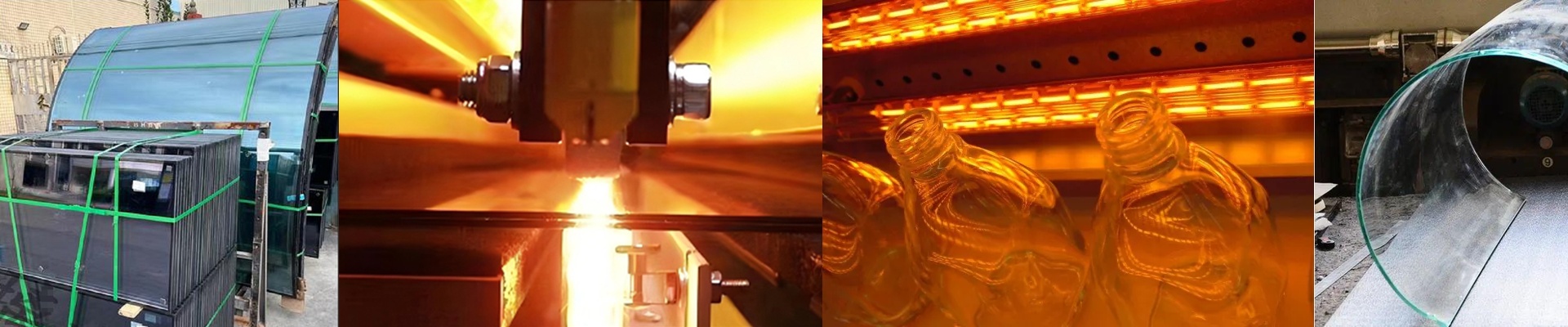

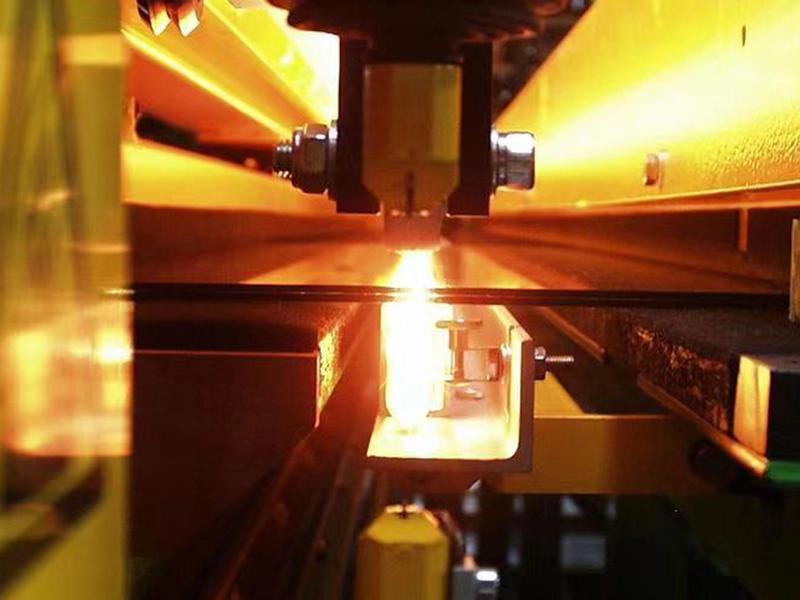
On the floor, glass doesn’t cut you any slack when the heat’s uneven. One hot spot in the kiln and you’re staring at warp on bent parts, or thermal stress that comes back to bite you later as spontaneous fracture on tempered units. You lean on the furnace to compensate, and sure enough, the energy bill climbs while yield slips away. What actually matters, technically Digital control on the kiln heating side swaps guesswork for repeatable setpoints and closed-loop response. In practice, that means tighter temperature control across the heating chamber, faster recovery after door swings, and soak profiles you can count on during annealing and bending. The heating elements are matched to glass emissivity and the kiln geometry, so you put power where it’s needed—not just where it’s easy. You get stable, low-drift output over thousands of cycles, and fewer rejects tied to overshoot and undershoot. Glass processing lives and dies on predictable thermal cycles. With digital control, your ramp and soak profiles for tempering, bending, and coating drying repeat the same way every time, so each batch behaves like the last. That shows up as fewer scrapped lites, shorter changeovers, and less rework. Energy use drops because you stop over-firing just to chase temperature, and maintenance eases up too—control logic helps you avoid thermal shock and element stress that chew through service life. Here are the practical things to keep in mind Digital control integrates cleanly, but it needs a clean, stable power supply and sensors that play along. Match the control strategy to the kiln’s load and atmosphere; some processes need careful PID tuning to keep setpoint oscillation out of the picture. Make sure thermocouples are properly thermally anchored, and confirm compatibility with your existing heating element mounting and wiring. Handle those basics, and you can run tighter profiles without sacrificing uptime.