Introduction
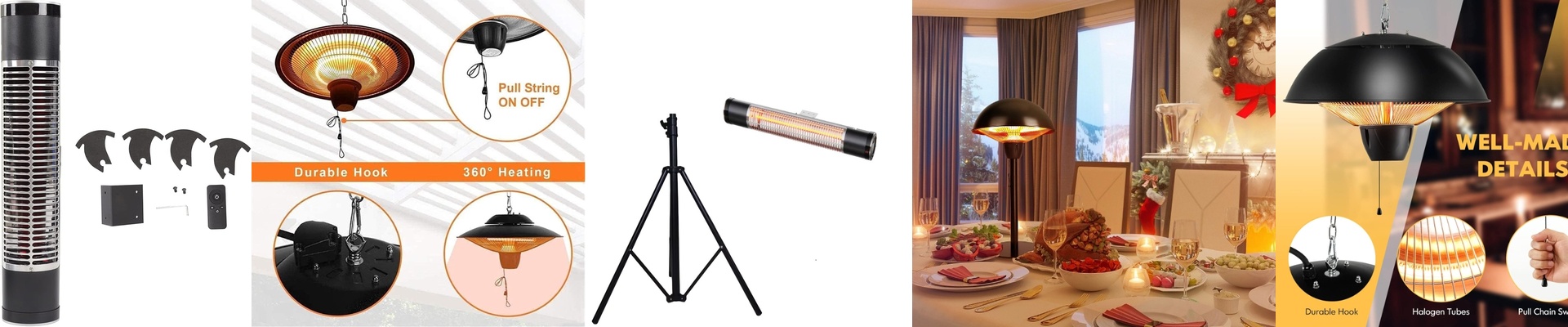
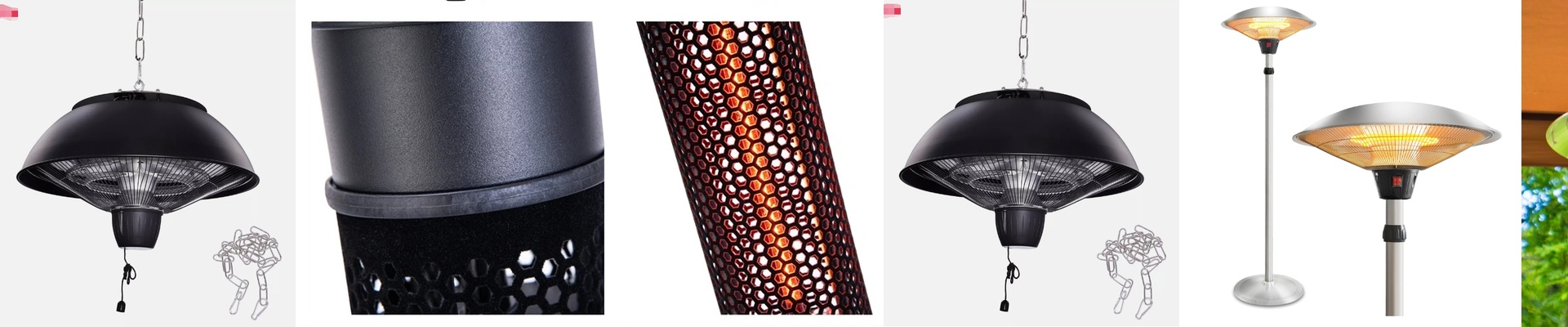
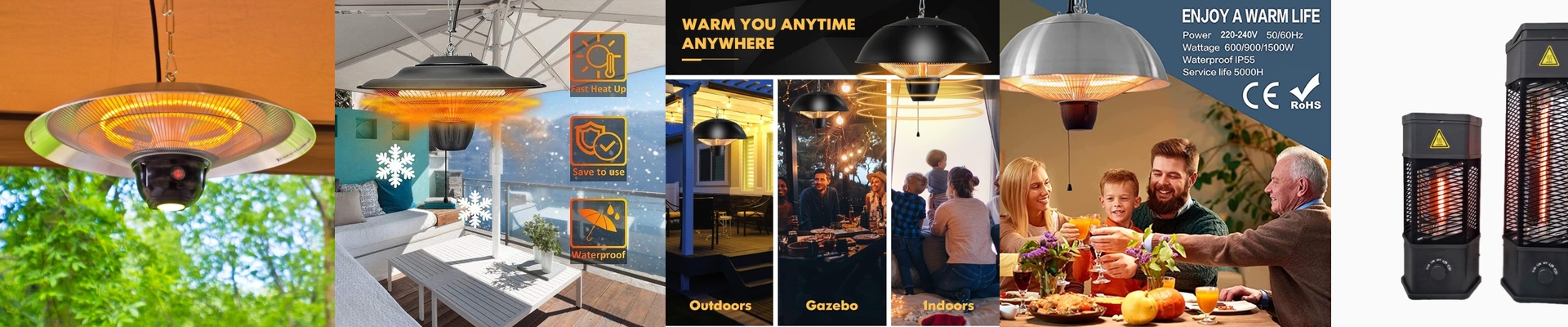
We built this infrared heater to be unstoppable in wet, wild places. Think chicken coops that get soaked, or bathrooms that steam up like a sauna. The whole point? To give you hard-hitting, focused heat, while keeping the electricity safely locked away from the moisture. We made sure this thing can handle the damp, so the heating element stays bone-dry and the wiring stays completely isolated.
The Power Behind the Heat
Here’s the thing about this heater: it’s all about smart, solid power. It runs on 400V, which is perfect because it plugs right into standard industrial circuits without tripping breakers, and it kicks out a steady 2500W. That’s a serious amount of heat packed into a 300mm tube. And the reason it can do that? Higher voltage means lower current for the same power. That keeps the wires thinner and stops the terminals from cooking themselves. It’s just solid, sensible engineering.
What It’s Built From
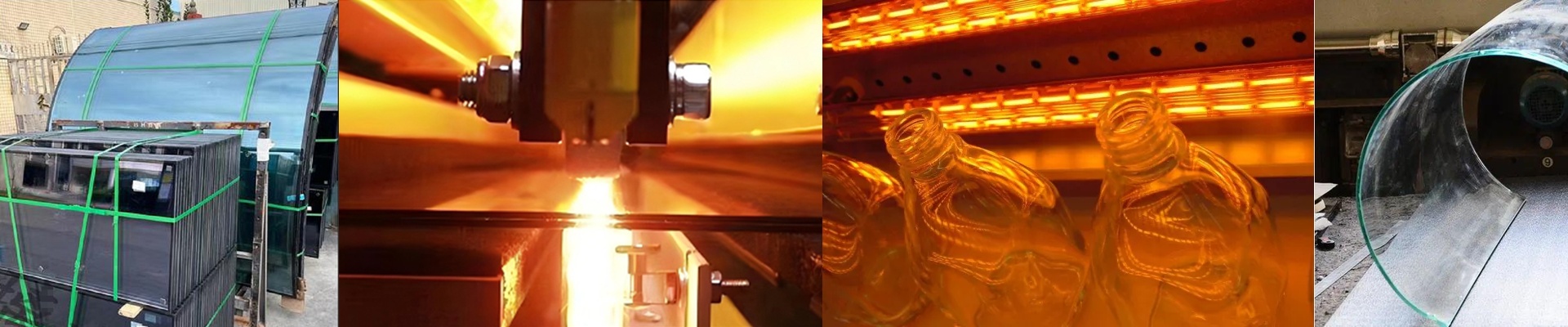
The heart of this heater is a halogen-filled quartz tube. Why quartz? Because it laughs in the face of sudden temperature changes and it just won’t let moisture creep in, unlike regular glass. The halogen gas inside does its part too, protecting the filament from burning out too fast. So even if you’re turning it on and off constantly, it keeps going. And for the waterproofing, we used a tough, industrial-grade enamel coating. It just shrugs off water and condensation. The R7s connector is the unsung hero. It locks the tube in tight with a two-point contact, and keeps the live parts tucked safely away. That means no accidental shocks, and no water sneaking into the socket.
Where It Shines (And What to Watch For)
In a humid bathroom or a drafty coop, this heater warms what needs warming—directly—without wasting energy heating the whole room. That direct infrared heat is efficient, and it helps cut down on that pesky condensation on surfaces. Installation? It’s a straight swap for any standard R7s unit. Just pop it in and you’re good. But, let’s be real. Squeezing 2500W into a 300mm tube means the surface gets seriously hot. So you need to make sure you’ve got enough space around it, and that whatever is nearby can handle the heat. Plan for proper shielding and ventilation. That’s how we give you raw power, while making sure safety comes first, even when things get wet.