

Making Your Patio Actually Usable: The Lowdown on Smart Infrared Heaters
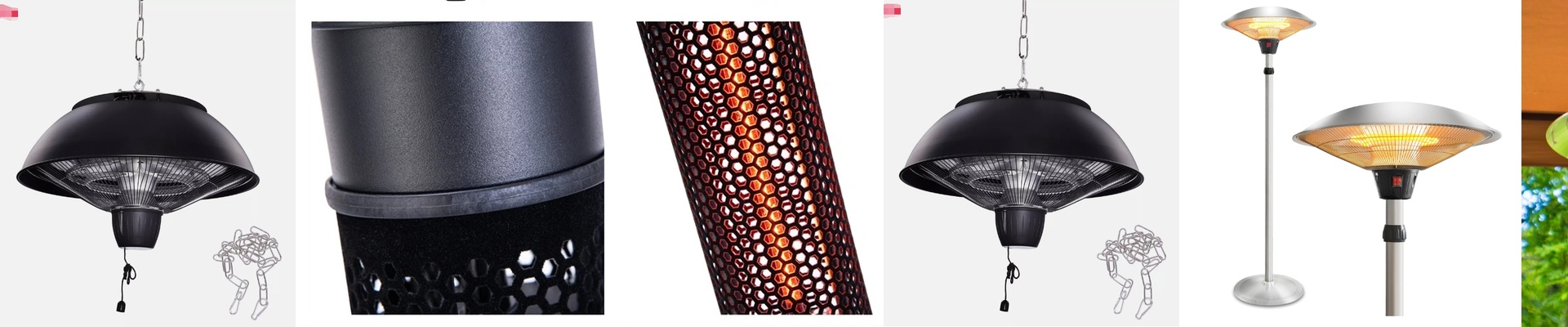
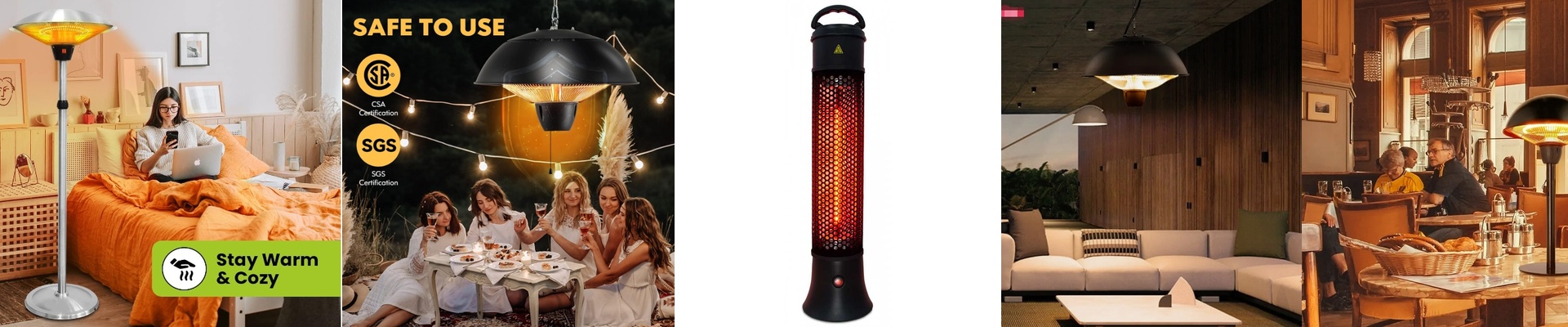
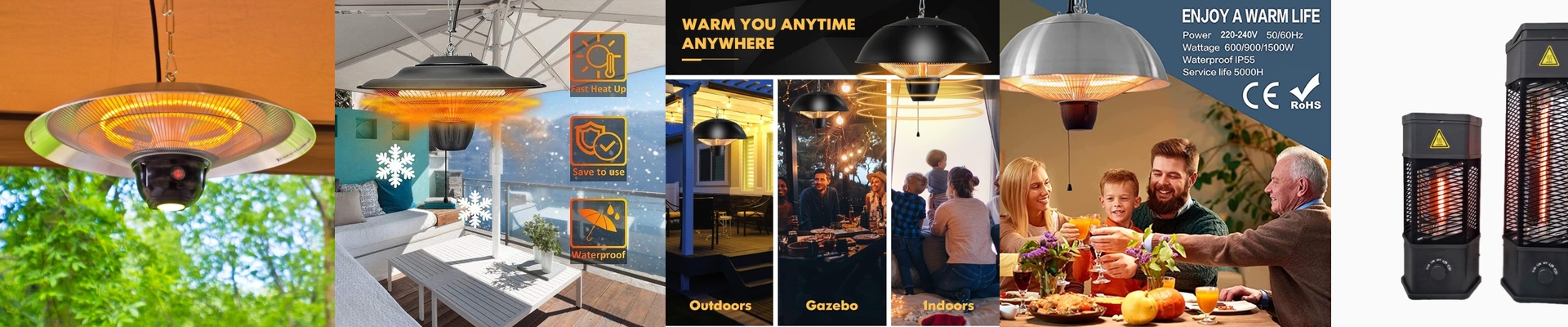
Ever tried using a space heater outside? It’s a joke. The second a breeze hits, all that warm air just vanishes. That’s why we stick with infrared. Instead of trying to fight the wind by warming the air, these heaters send heat straight to you. It feels like standing in a patch of sunlight on a cold day. And when you hook them up to a smart home system, you stop messing with clunky switches and start letting the house do the thinking for you. Heat that doesn’t make you wait Most heaters take forever to get going. Not these. Whether they’re quartz or carbon, they hit their peak temperature in seconds. We usually pair them with Zigbee or Matter controllers. This means you can set up a “Welcome Home” routine. Imagine pulling into your driveway and having the patio already toasted and ready for you before you even open the door. It just works. Keeping the rain out (and the sparks away) Outdoor gear takes a beating. Rain, sleet, humidity—it’s a lot. We use IPX4 or IP65 rated housings to keep the guts of the heater dry. But the real secret is in the details. We use silicone gaskets and heavy-duty cable glands so moisture can’t sneak into the wiring. And because we’re dealing with 220V electricity and water, safety isn’t optional. We make sure a GFCI is in the mix. If something goes wrong, it trips instantly. No surprises. The one big mistake people make Here is the thing: these heaters are power-hungry. A 2000W lamp pulls a massive amount of current. If you try to plug one of these into a cheap smart plug you bought online, it’ll probably melt. Seriously. To do this right, we use high-amp contactors. Think of it as a middleman. Your smart controller tells the contactor to flip the switch, and the contactor handles the heavy lifting of the electricity. This keeps your fancy smart tech safe from the high-voltage heat. Just make sure your electrical panel can handle the load, or you’ll be spending your winter evening resetting breakers in the dark.