
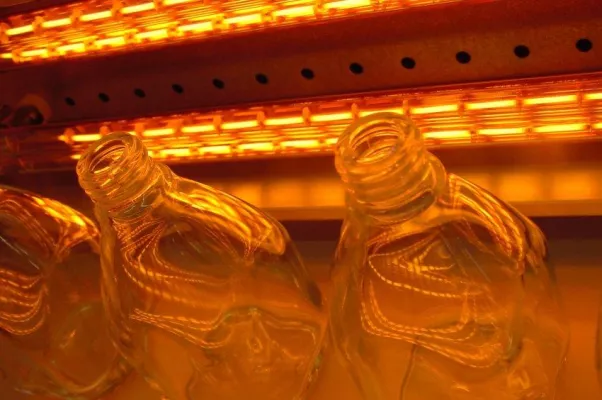
How to Stop Your Glass Tubes From Shattering
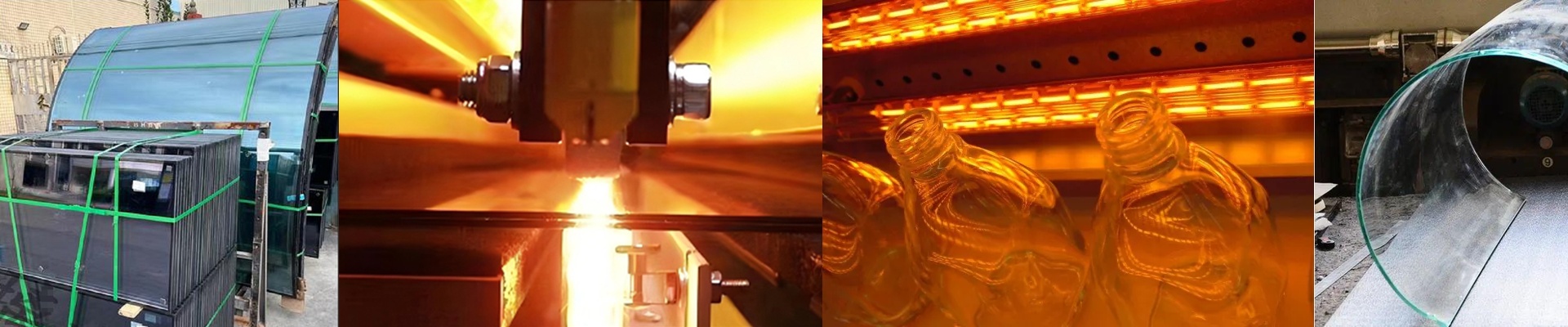
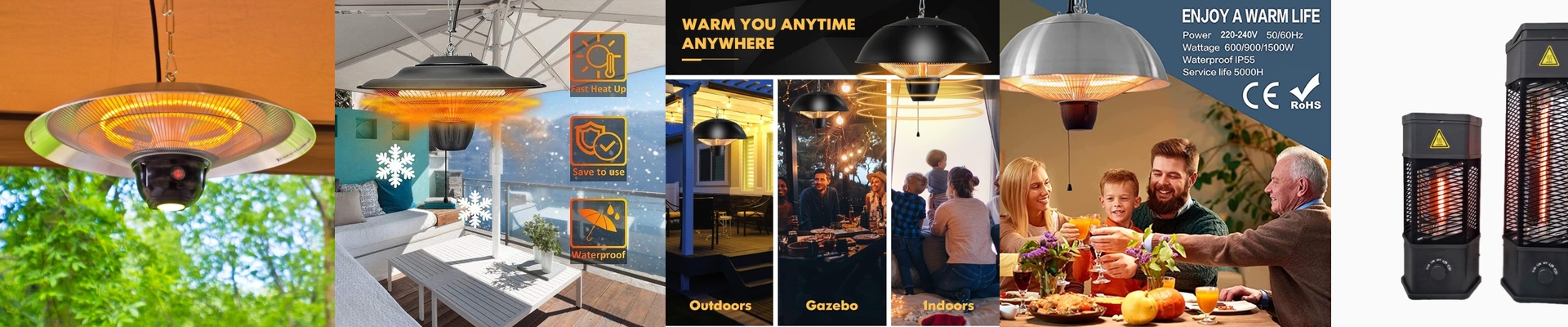
Cutting glass tubes is a bit of a balancing act. You need heat, but you need it exactly where you want it. If you blast the glass with a sudden surge of heat, it doesn’t just melt—it cracks. It’s frustrating, wasteful, and a total pain to clean up. To fix this, we use shortwave infrared (IR) lamps. They give us the kind of quick power control you need to keep the glass happy during tempering and cutting. Why speed matters If you want to avoid a shattered tube, your heating element has to react the second you change the voltage. We go with halogen-filled quartz lamps because they don’t hold onto heat. Traditional heaters are slow; they take forever to warm up and even longer to cool down. But these IR lamps? They hit peak intensity in milliseconds. When you hook them up to an SCR or a fast PWM controller, you can tweak the heat on the fly. It stops those nasty heat spikes that usually cause stress fractures in borosilicate or soda-lime glass. The gear side of things We usually pick lamps with high watt density so the setup doesn’t take up half the workshop. We also use R7s or SK15 connectors. Why? Because when a lamp eventually burns out, you can just swap it for a new one without having to tear your entire rig apart. We often use a coated quartz envelope, too. It helps push the energy onto the glass surface where it belongs, instead of heating up the rest of your machine. The catch Here’s the thing: these lamps are powerful. While that’s great for instant tempering, they put off a ton of radiant heat. You can’t just cram them into a tight box and hope for the best. If your cooling fans and shielding aren’t up to the task, you’re going to start melting your wiring harnesses or frying your electronics. And if the airflow is weak, the lamps will just overheat and die way sooner than they should. Keep them cool, and they’ll take care of you.