
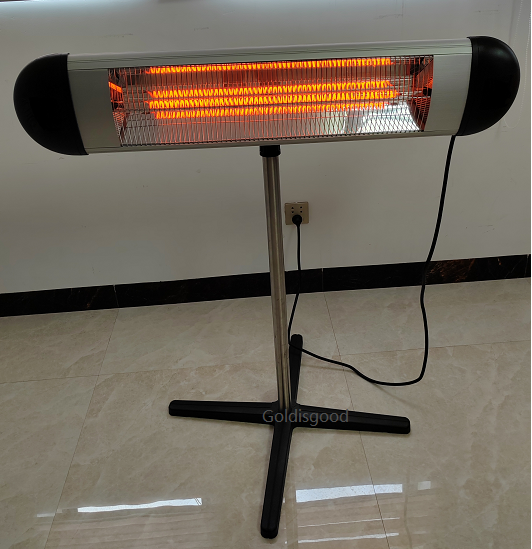
Why we use explosion-proof quartz in bathroom heaters
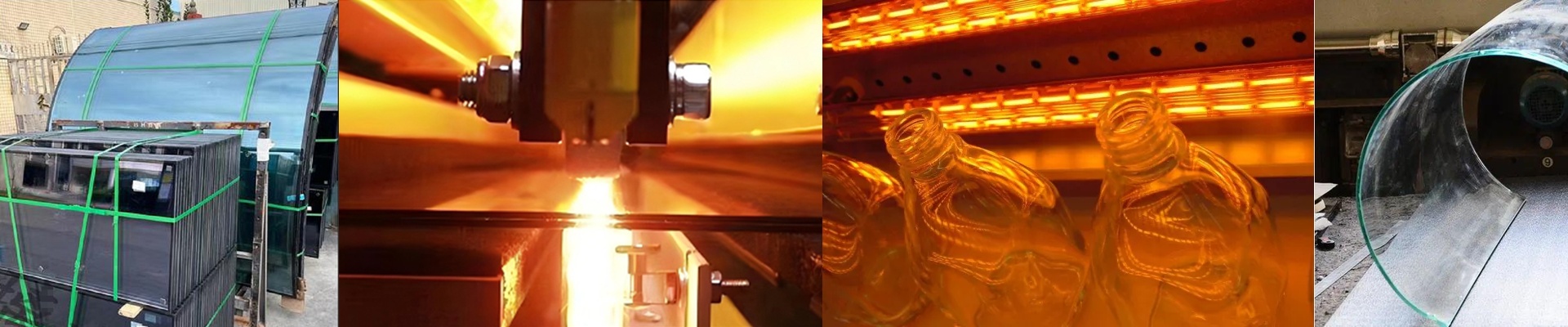
When you’re putting together an infrared heater for a bathroom, water isn’t actually the biggest headache. The real enemy is thermal shock. Think about it: you’ve got a quartz tube glowing at peak temperature, and suddenly, a stray drop of cold water hits it. That instant temperature crash can cause standard glass to just… shatter. It’s a mess, and it’s dangerous. That’s why we stick with explosion-proof quartz. The science of the “pop” Quartz is pretty tough, but it has its limits. In a steamy shower, the gap between the scorching hot filament and a cold droplet is massive. That creates a huge amount of stress in one tiny spot. If the glass hasn’t been specially treated, it cracks. We use tubes engineered to handle that sudden contraction. It keeps the filament safe and the electricity flowing, even when the temperature is swinging wildly. What’s actually inside? We use high-purity quartz glass. The cool thing about this material is that it lets short-wave infrared radiation pass right through. Instead of the glass getting hot, the heat goes straight to you. To make them “explosion-proof,” we don’t just rely on the glass. We add reinforced end-caps and tweak the wall thickness. It basically means the tube can take a beating from the humidity and heat without giving up. A few things to keep in mind There is a small trade-off. Because these tubes are built for safety, they have a slightly different thermal profile than your average industrial lamp. You might notice it takes a tiny bit longer to warm up. Also, a quick tip: make sure your housing can handle the wattage. You don’t want to be the person who accidentally melts their plastic mounts because the housing wasn’t up to the task. At the end of the day, if you use standard tubes in a bathroom, you’re basically gambling. Using reinforced quartz just takes that risk off the table.