

Stop the Chipping: Why IR Preheating Actually Works
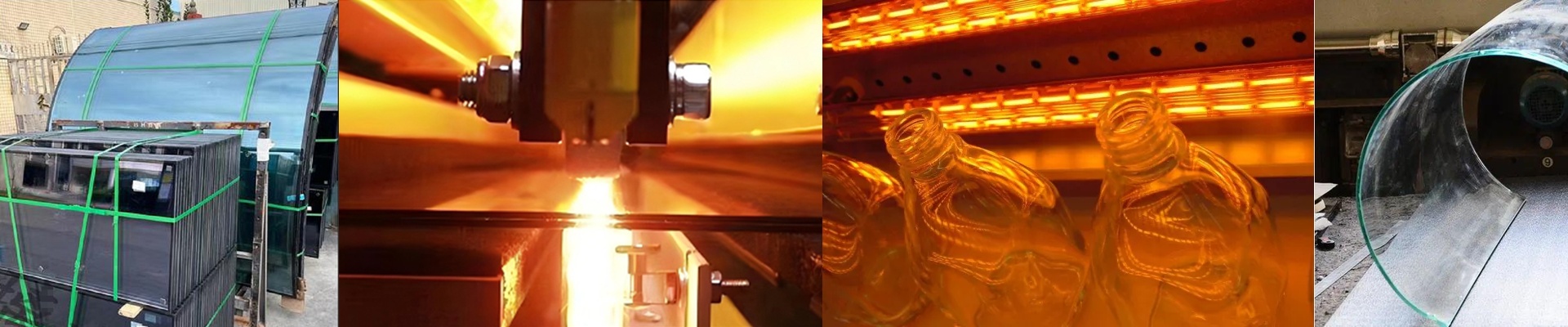
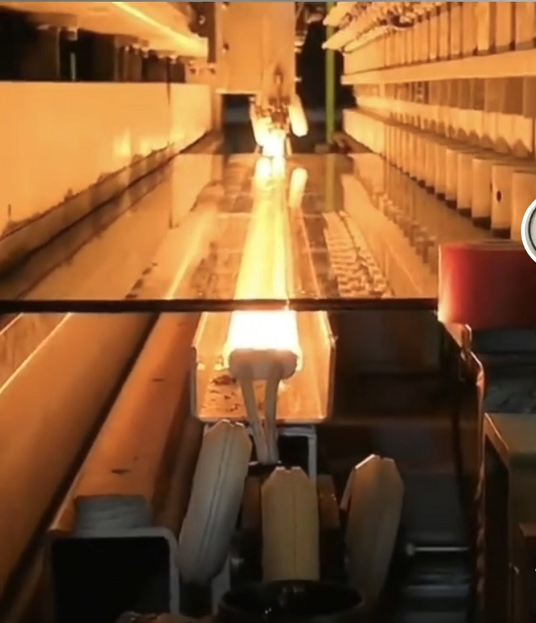
Ever tried cutting wine glass only to have the edges crumble? Those tiny micro-fractures are a nightmare. You end up with “corner collapse” or jagged chips that make the whole piece scrap. It’s frustrating, and it kills your margins. The trick to fixing this is short-wave infrared (IR) preheating. Basically, we warm up the glass before the blade even touches it. The “Why” Behind the Heat Here’s the thing: glass hates changing temperature quickly. It’s a terrible conductor. When a cold blade hits a cold surface, the stress is uneven and violent. That’s exactly when the glass snaps in ways you don’t want it to. By hitting the surface with targeted IR radiation, we make the glass a bit more “forgiving.” It becomes more ductile, the internal stress drops, and the break happens exactly where you want it. Your scrap pile shrinks, and the edges stay smooth. Picking the Right Gear You can’t just use any heater. We use short-wave IR because it actually sinks into the glass rather than just bouncing off the surface. Speed is everything here. Your production line doesn’t stop, so your lamps have to hit the target temperature in a matter of seconds. If they’re slow to warm up, you’re just wasting electricity. The Catch (And How to Handle It) Now, there’s a trade-off. These high-wattage lamps put out a massive amount of heat. While the glass loves it, your machine frame might not. If you just bolt these in and walk away, you’ll end up warping your mounting brackets or melting your wiring. You’ve got to vent the housing or use water-cooling. Keep the machine cool, or the heat that’s saving your glass will destroy your hardware. Getting it Right To make this work, wire your lamps into a PID controller. You need to hit a very specific temperature window. Too cold? You’re still chipping. Too hot? You’ll distort the glass or cause thermal shock. And a pro tip: keep the distance between the lamp and the glass exactly the same across the line. If the gap varies, you’ll get hot spots, and you’re right back to square one.