

Keeping Your Bathroom Heater from Blowing Up: A Quick Guide
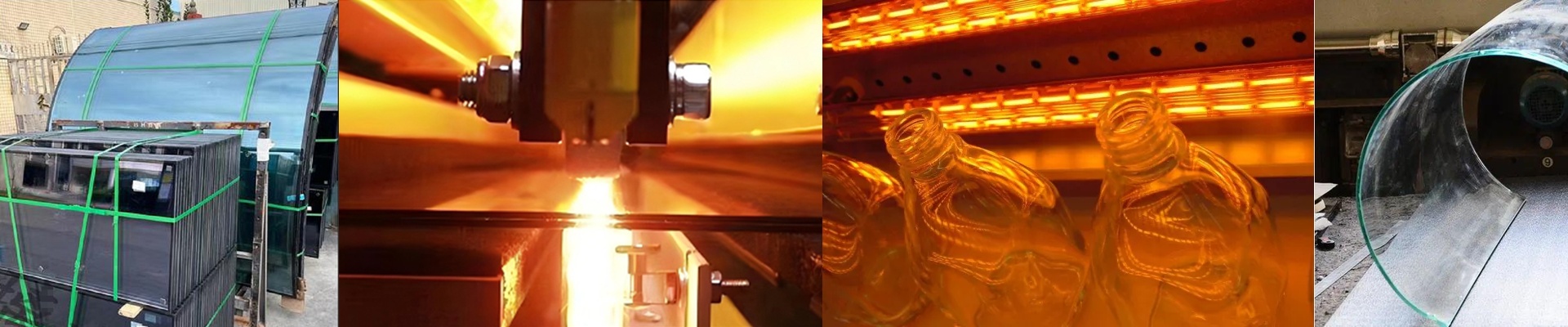
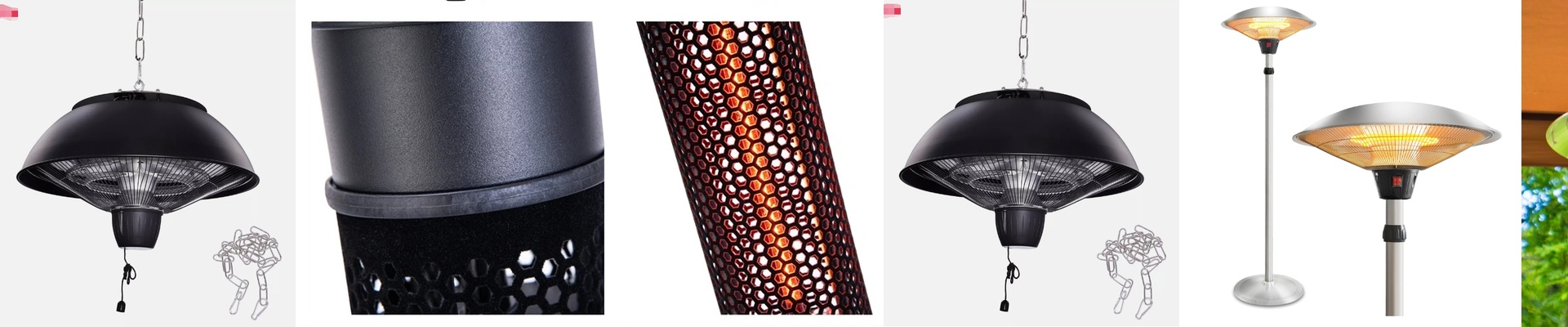
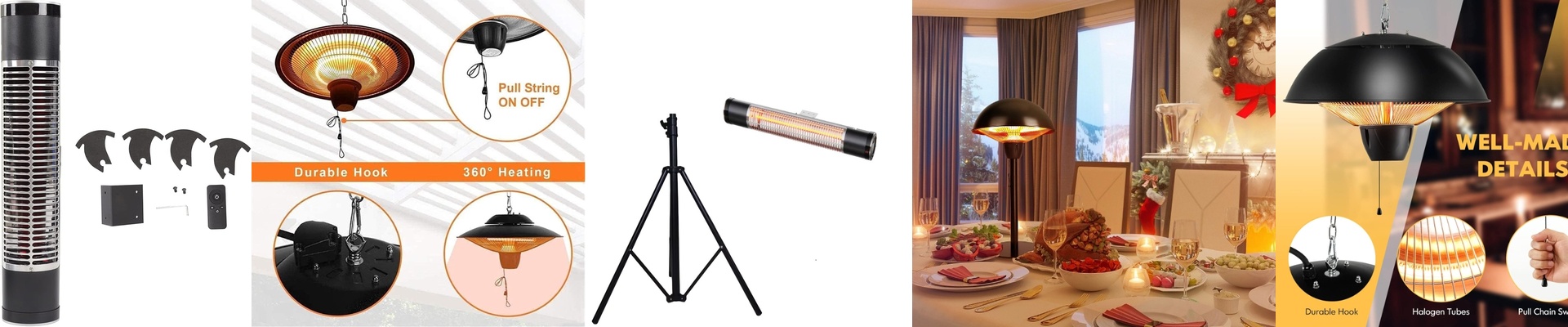
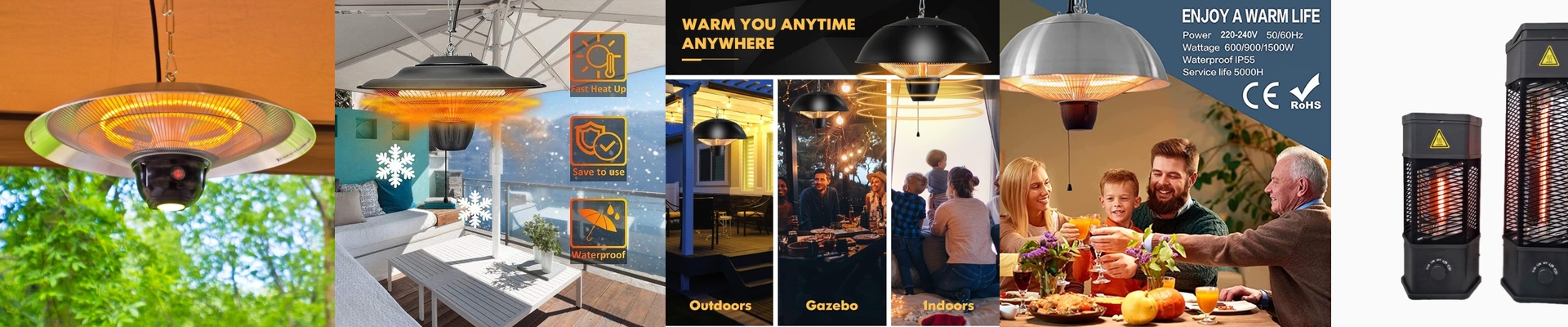
When you’re putting together a heating system for a bathroom or a wet room, you’re not just trying to stop a shiver. You’re basically fighting a war against water and electricity—a combination that usually ends badly. If you just throw a standard infrared lamp in there, it’s going to die. Fast. Steam and splashes will eat it alive. That’s why we stick to IP55-rated housings and explosion-proof quartz. The IP55 Stuff Here is the deal with IP55: it means the box is sealed tight enough to keep out dust and low-pressure water jets coming from any angle. In a steamy shower, moisture finds every little crack. It gets into the casing, hits the terminals, and boom—you’ve got a short circuit or a rusted-out mess. We use heavy-duty gaskets and sealed cable entries to keep the “guts” of the machine bone-dry. It’s the only way to make sure the heater doesn’t become a hazard while someone is standing in a puddle of water. Why the Quartz Matters Then there’s the tube itself. Most quartz is sensitive. If a single drop of cold water hits a red-hot tube, the shock can make the glass shatter on the spot. Not great. We use explosion-proof quartz because it can handle those wild temperature swings without popping. These tubes use short-wave infrared radiation. Instead of trying to warm up all the air in a drafty room (which is a losing battle), they heat your skin and the surfaces around you directly. You feel the warmth the second you flip the switch. The Trade-offs Nothing is perfect. You get the speed and the water resistance, but there’s a catch. Because the IP55 seal is so tight, the air doesn’t move around the internal wiring very well. If you crank these lamps to max for hours on end, things get hot inside the housing. You’ve got to make sure whatever surface you mount it to can soak up some of that heat, otherwise, the thermal cutoff will just trip and shut everything down. Just remember: use high-temp leads and a dedicated GFCI circuit. Do that, and you’ve got a system that actually works when things get wet.