Putting Infrared Heaters in Wet Zones Without Everything Blowing Up
Let’s be honest: bathrooms and outdoor showers are basically torture chambers for heating elements. Between the steam, the random water splashes, and the wild temperature swings, a standard heater just won’t cut it. If you use a basic lamp, it’s going to crack or short out. Fast. To keep things safe, we stick with IP65-rated housings and explosion-proof quartz tubes. Here is why that actually matters.
The Deal with Quartz and Thermal Shock
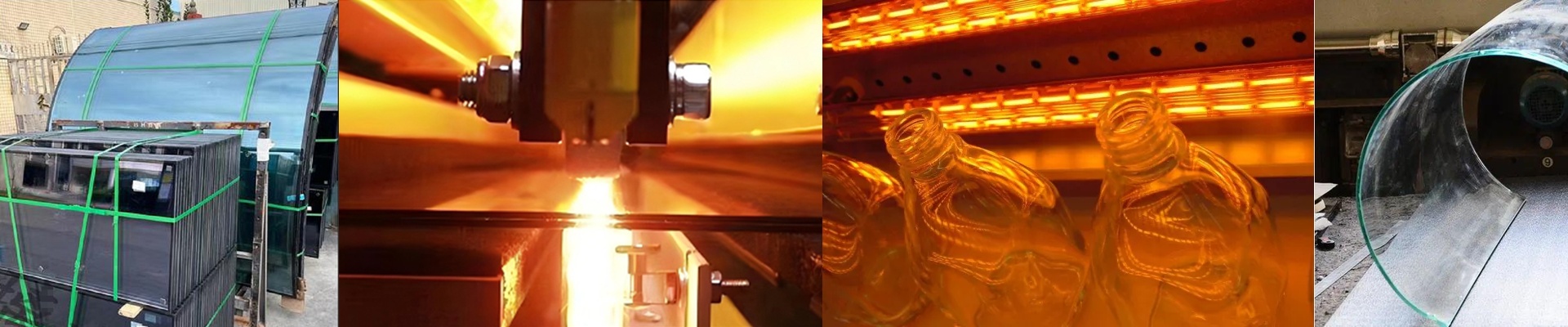
Think about this: you’ve got a tube glowing at 600°C. Suddenly, a cold drop of water hits it. That instant temperature drop causes the glass to shrink unevenly, and pop—it shatters. That’s why we use explosion-proof quartz. It’s built to handle those brutal temperature jumps without freaking out. And if a tube does happen to break? The pressure is managed so it doesn’t just burst violently. It’s a huge peace-of-mind thing.
Keeping the Water Out
When you see “IP65,” it just means the box is dust-tight and can handle a decent spray of water without leaking. We seal the wiring and the lamp interfaces tight so moisture doesn’t sneak in and fry the electrical terminals. But here’s the catch: cheap gaskets hate heat. They warp. They shrink. And once they do, moisture gets in. We use high-temp silicone seals because they actually hold up when the unit is cycling between scorching hot and cold.
Real-World Installation Tips
First things first: youneeda dedicated GFCI circuit. No shortcuts here. These lamps pull a lot of power to get hot quickly, so make sure your wiring gauge matches the wattage. If you go too thin, you’ll deal with voltage drops, and that’s just a headache you don’t want. One more thing to watch out for: that waterproof shell is great for keeping water out, but it also traps heat. While the infrared waves pass right through the lens, the chassis itself gets hot. Give the housing plenty of breathing room. If you cram it into a tight space with no airflow, you’ll trip the thermal cutout. It’s a trade-off—you get total moisture protection, but you lose some of that natural cooling. Just leave a gap and you’ll be fine.