Making Your Patio Heaters Actually Smart
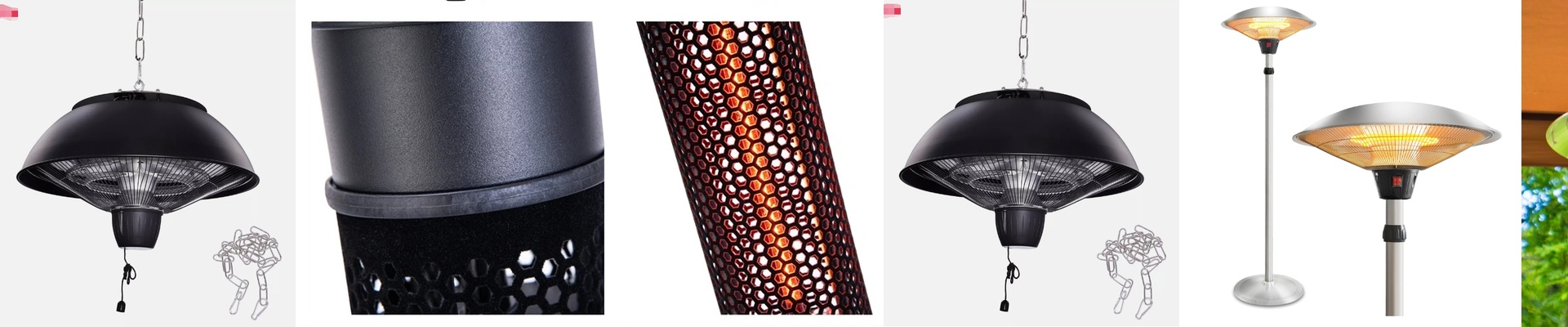
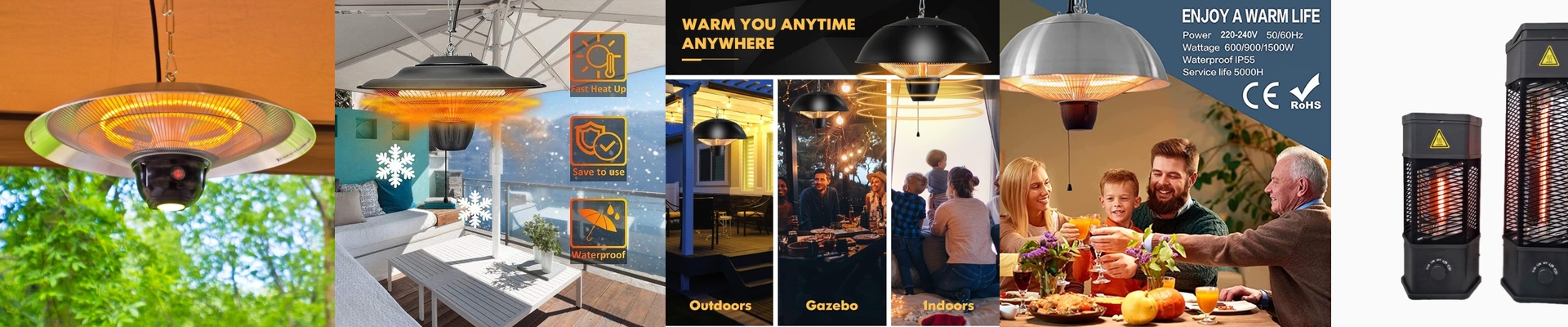
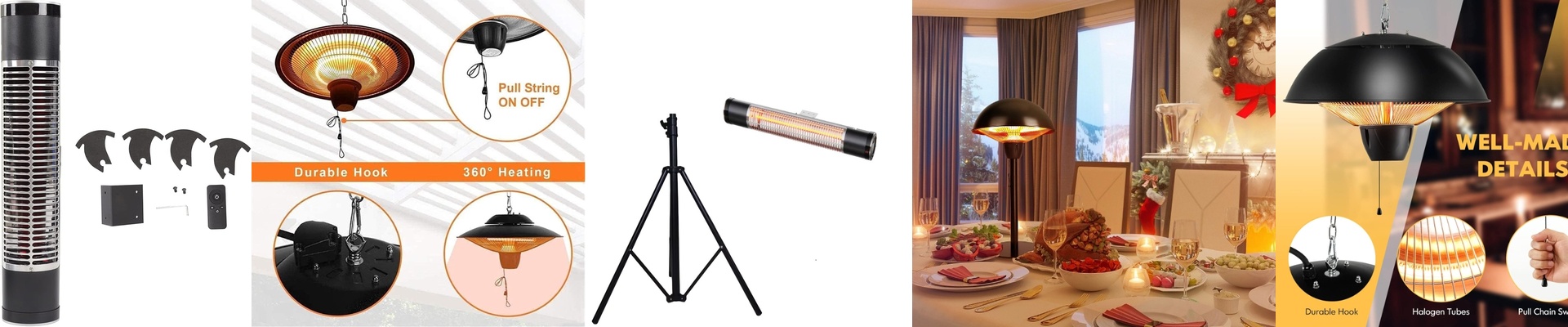
If you’ve ever run a nightclub patio, you know the struggle. You’ve got guests who want to be outside, but the second a cold breeze hits, they’re heading back indoors. Standard space heaters don’t cut it here—they try to warm the air, but the wind just blows that heat away before anyone feels it. That’s why we go with short-wave infrared. Instead of fighting the wind, these emitters beam heat directly onto your guests. It feels like stepping into a patch of sunlight on a winter day. It’s instant. The “Smart” Part Now, flipping a manual switch every time the temperature drops is a pain. To make these things smart, we don’t just plug them in; we use high-power relays or SCR controllers. Think of these as the middleman. They take a low-voltage signal from your phone or a smart hub (via Zigbee or Matter) and tell the high-voltage heating elements to kick in. One tap on your app for “Winter Mode,” and the patio is toasted in seconds. Dealing With the Elements Outdoor gear takes a beating. Rain, humidity, and the occasional spilled drink can wreck your electronics. We stick to IP65-rated gear, which is just a fancy way of saying the housings are sealed tight against water. We also throw on tempered glass guards. It keeps the quartz tubes safe from accidents and keeps the moisture out. A Word of Warning on Wiring Here is where people usually mess up:Do not use a standard smart plug. These heaters pull a massive amount of current. If you try to run them through a cheap plastic plug, you’re going to melt it. You need a dedicated contactor or a heavy-duty relay that can actually handle the amperage. It’s not worth the risk. Plus, it’s a smart move to add ambient temperature sensors. There’s no point in blasting heat when the night is already mild—you’re just wasting money and wearing out the filaments. Just keep an eye on your ventilation, too. If the housing gets too choked up, those elements will burn out way faster than they should.