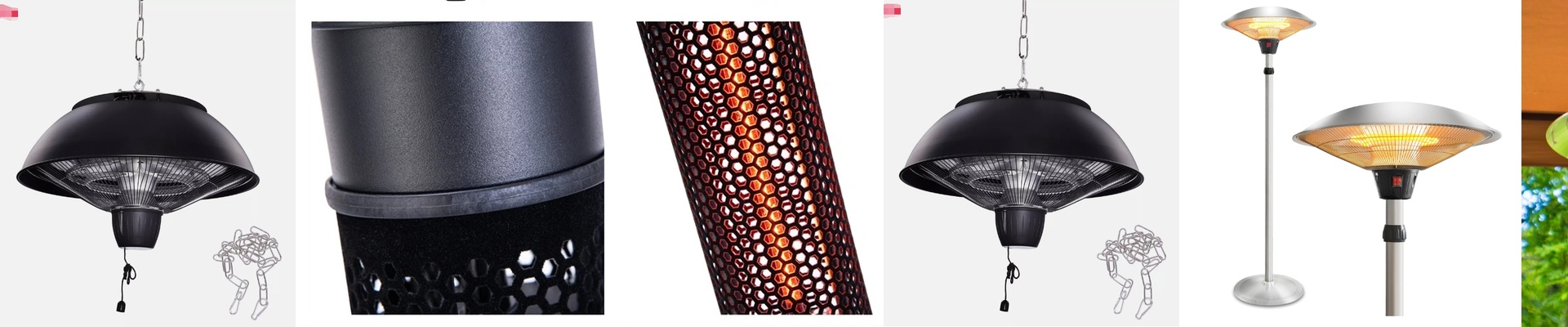
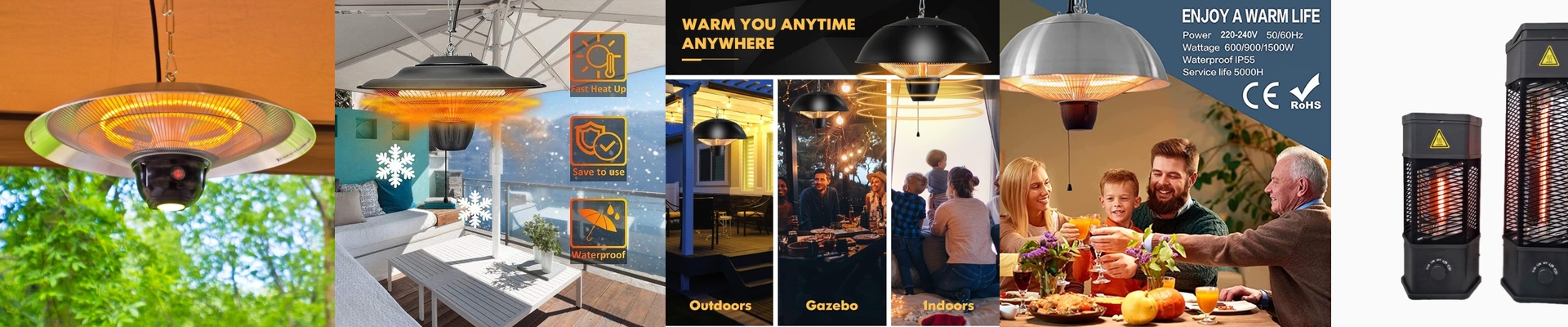

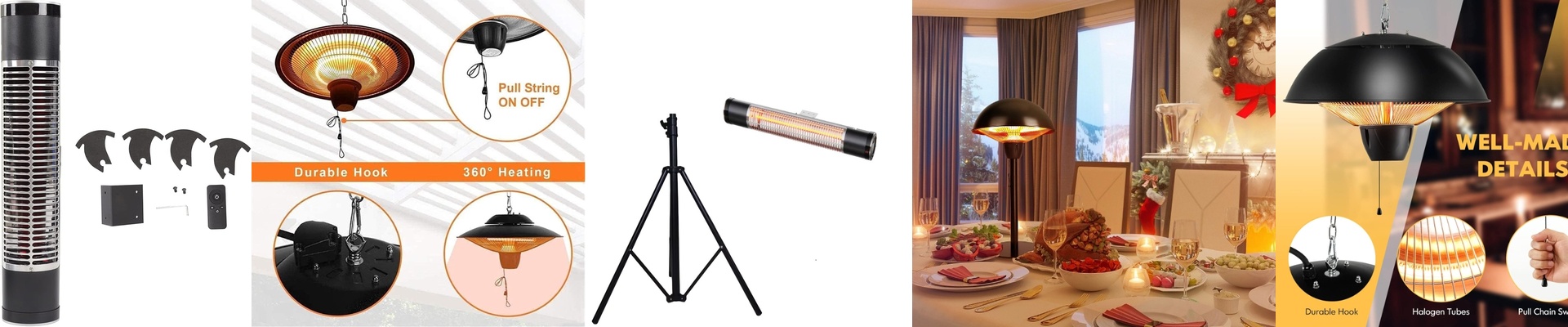
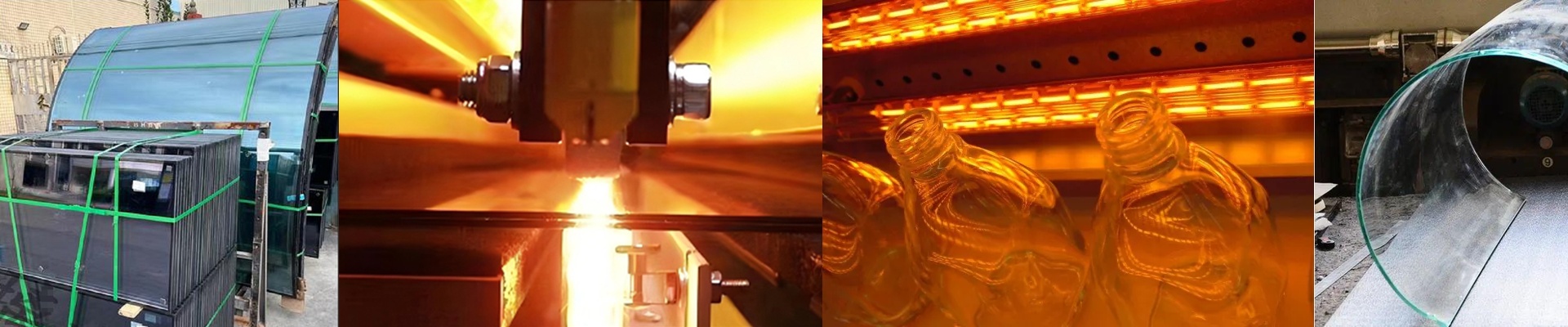
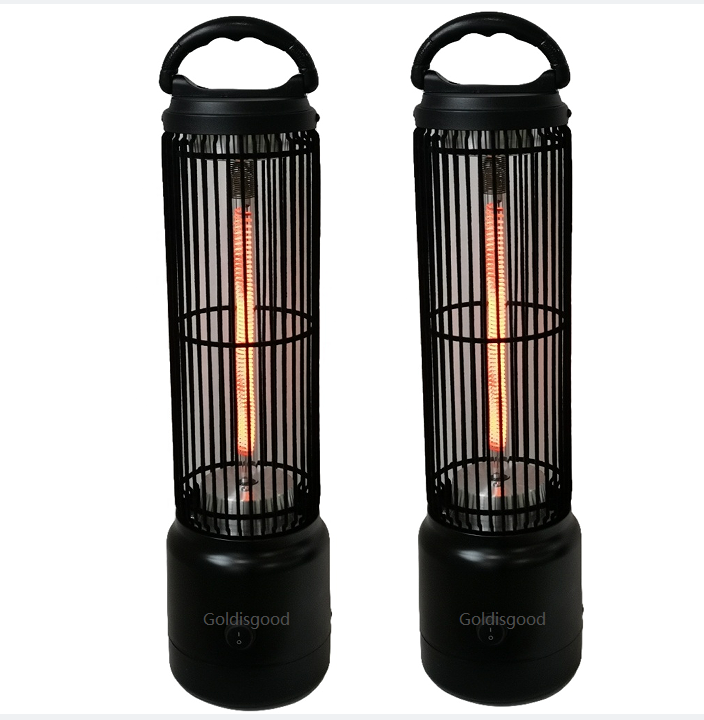
Keeping Your Infrared Heaters Safe in Wet Zones
Putting infrared lamps in a bathroom or a steamy sauna is a bit like playing with fire—literally and electrically. Water vapor is sneaky. It finds its way into standard housings, and before you know it, you’ve got a short circuit or a ground fault on your hands. A plastic cover isn’t enough. You need a setup that actually hits IP65 standards if you want to sleep soundly.
The Deal with IP65 and Keeping Water Out
When we talk about an IP65 rating, we’re basically saying the box is dust-tight and can handle a spray of water without breaking a sweat. We make this happen by using silicone gaskets and sealed cable glands right where the wires enter the chassis. Here’s the thing: in a humid bathroom, a thin, conductive film of moisture builds up on everything. To stop electricity from leaking where it shouldn’t, we use high-dielectric potting compounds around the terminal blocks. If those seals give way, moisture bridges the gap between the live terminal and the grounded chassis. And that’s where things get dangerous.
Heat, Expansion, and the “Crack” Factor
Infrared lamps get hot. Really hot. This creates a tricky cycle: materials expand when they heat up and shrink when they cool down. If you use rigid seals, they’ll eventually crack under the pressure. That’s why we stick with flexible, heat-resistant seals. They keep their grip even when the temperature swings. Also, check your wiring. If the insulation on your leads melts, it doesn’t matter how waterproof your box is. You’re still in trouble.
The Trade-offs You Should Know
There’s a catch. Waterproofing basically wraps your electronics in a blanket, which traps heat. While the IP65 shell is great for keeping steam out, it makes it harder for the internal components to breathe. You’ll need to pick a power supply and wiring that can handle a higher internal temperature. And for heaven’s sake, don’t over-watt the lamp for the size of the enclosure. You’ll fry the internal wiring. One last tip: double-check your ground connections. A waterproof seal is only half the battle. A properly bonded chassis ensures that if something does go wrong, the breaker trips instantly instead of turning the outer casing into a live wire.