
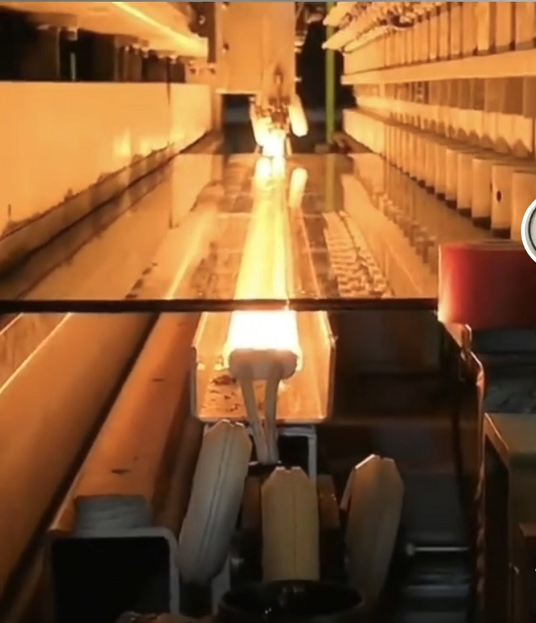
Getting Your Glass Heating Exactly Right
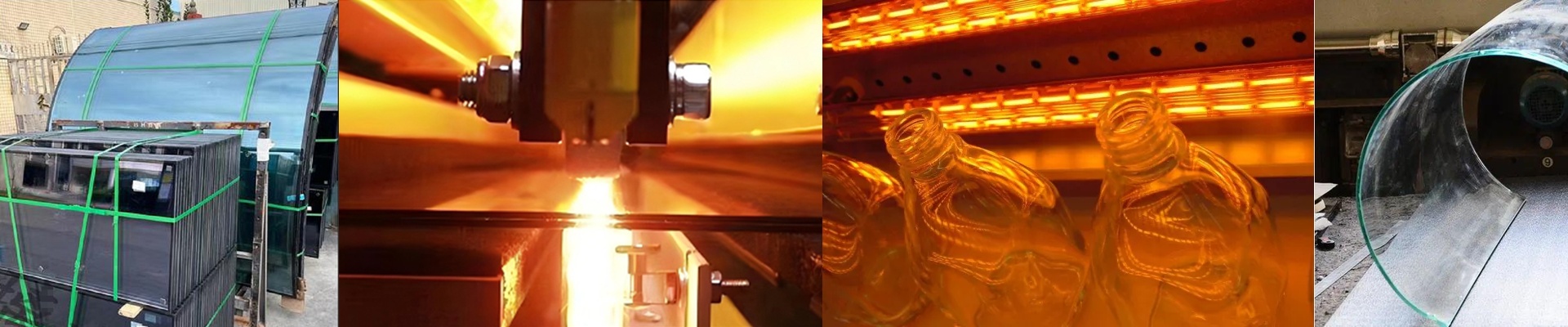
Most infrared lamps just blast a broad range of heat. For a lot of jobs, that’s fine. But if you’re working with specific glass additives, that “one size fits all” approach is basically throwing energy away. You don’t need more heat. You need the heat to hit the exact spot where your material actually absorbs it. That’s where we come in. We tweak the spectrum so the energy lands right on the mark.
How we actually tune it
We aren’t just cranking up the wattage. That’s the easy way, and it’s usually the wrong way. Instead, we mess with the filament composition and the doping of the quartz envelope. By changing the chemistry inside the tube, we shift the emission curve. Here’s the goal: we want the photons to line up perfectly with the molecular vibrations of your additives. So, if your glass absorbs best at 3.5 microns, we build the tube to peak right there. It stops the energy from bouncing off the glass and heating up your machine frame—which, let’s be honest, is a waste of power and a pain to manage.
The trade-offs (The honest part)
These custom tubes usually use high-density quartz. We can build them to your exact length and voltage, so they just slide right into your existing rigs. No need to rebuild your whole line. But there is a catch. When you tighten that spectral band, the filament takes a bigger hit. You’ll likely notice a trade-off between how “pure” the spectrum is and how long the tube lasts. To keep you from burning through bulbs every few weeks, we optimize the halogen cycle. It keeps the filament healthy for as long as possible.
Putting it to work on the floor
Once you wire these in, don’t just hit “start.” You’ll need to recalibrate your PID controllers. Because the glass is now absorbing energy way more efficiently, you’re going to hit your target temperatures much faster than you’re used to. If you keep your old ramp-up speeds, you’re probably going to overshoot the temp and crack your glass. It’s a costly mistake. We’ll send over the spectral data sheets so you can figure out exactly what your cooling fans and shielding need to handle. It’s a lot of focused energy, so it pays to be prepared.