Stop Fiddling With Quartz Tubes—Switch to Modules
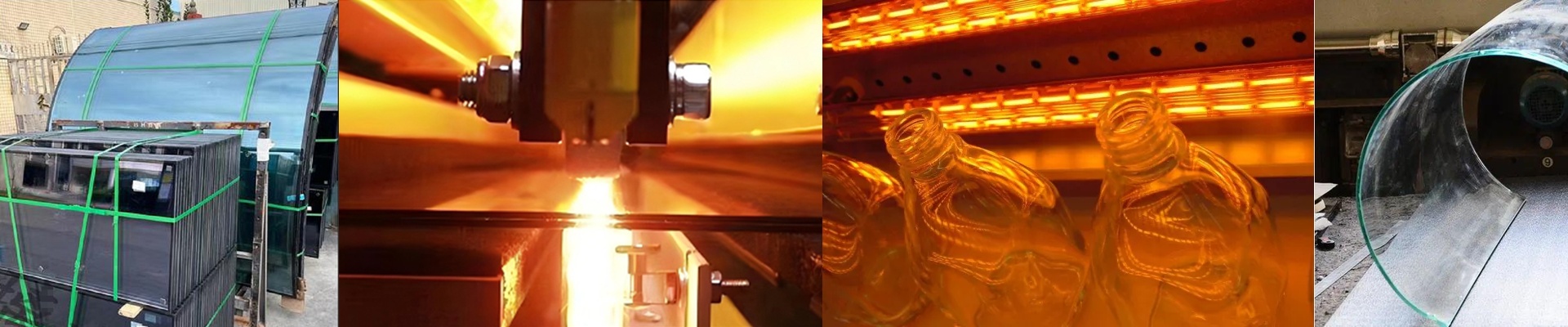
Most glass oven setups start the same way: you buy a bunch of basic quartz infrared lamps, bend them by hand, and spend way too much time wiring them up on the shop floor. It’s a headache. Between the wasted man-hours and the risk of a bad bend causing uneven heat, it’s just not efficient. That’s why we do things differently. Instead of giving you a pile of parts, we give youturnkey heating modules. They’re pre-bent, pre-wired, and ready to drop straight into your machine.
Getting the heat right
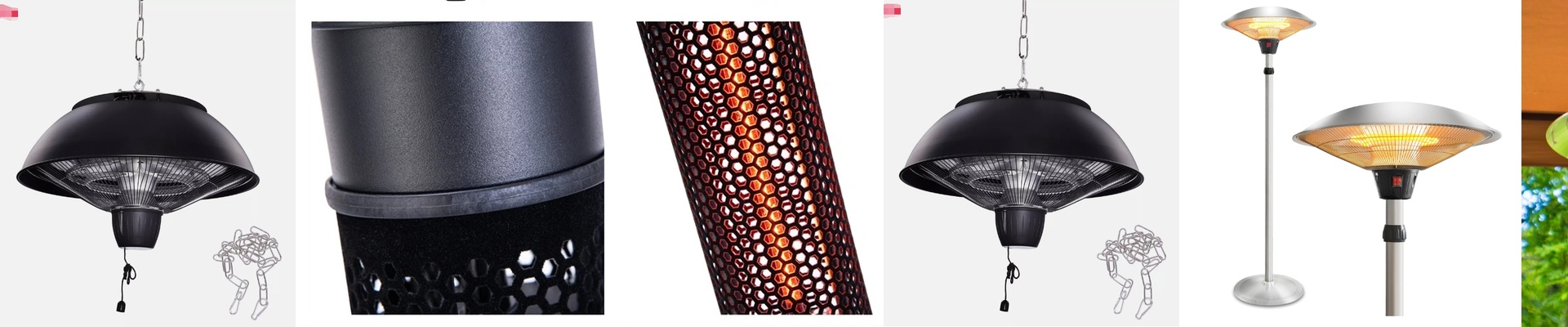
The real secret to a great glass oven is how you handle the voltage and wattage. You need high-wattage quartz lamps if you want that rapid thermal response to get the glass softening quickly. We spend the time calibrating the power density so your glass hits the working point perfectly. No cold spots. No guessing. But here’s a tip: make sure your power supply can actually handle it. If you try to run high-wattage tubes on a circuit that’s too small, you’re just going to trip breakers or fry your connectors.
Better materials, fewer breaks
We use high-purity quartz because glass processing is brutal on equipment. The thermal shock is intense. Single tubes are fragile—one wrong move and they’re gone. By packing them into a module, we protect those delicate ends and keep the electrical connections standard. Whether you’re using R7s or specialized SK connectors, the wiring stays secure. It saves you from those annoying loose connections that lead to arcing or lamps burning out way too early.
Making it work on your floor
The best part? You can stop the on-site fabrication. You get a part that fits your oven’s footprint exactly. Installation goes from taking hours to taking minutes. It’s a relief. Just one thing to keep in mind: these high-density modules put out a lot of radiant heat. You’ll want to double-check that your chassis and cooling fans can handle the extra ambient temperature. You don’t want your frame warping because the housing got too hot.