Stop Waiting on OEM Parts for Your Glass Tempering Furnace
There is nothing worse than a dead production line. You’re staring at a stopped machine because some OEM spare part is “out of stock,” and your schedule is falling apart. We’ve been there. That’s why we focus on one thing: getting you back up and running with custom infrared heating elements delivered in about 7 days.
Why Shortwave Infrared?
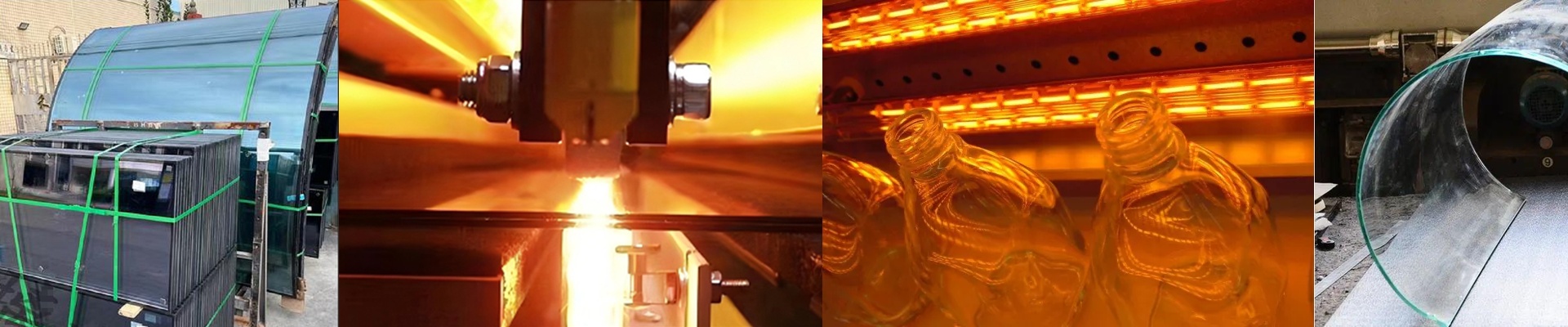
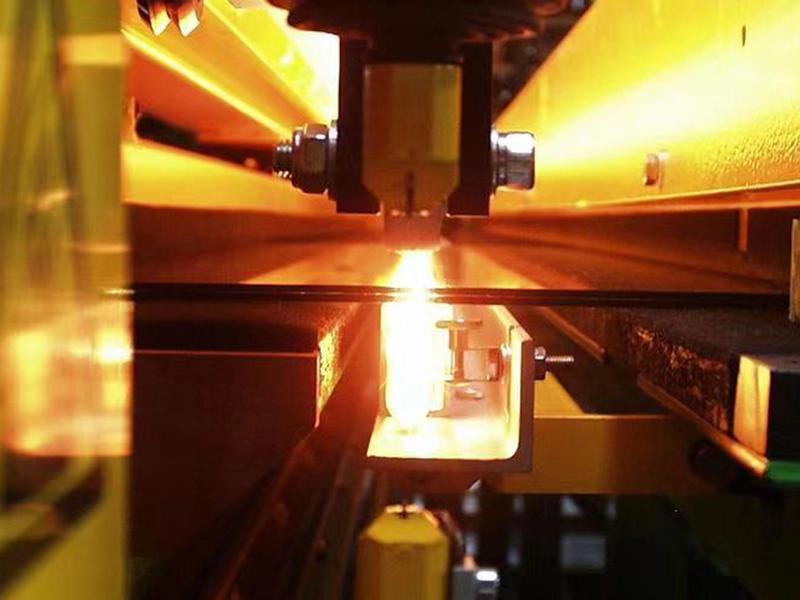
If you’re tempering glass, you know the struggle of getting the heat exactly right. You need it hot enough to soften the glass, but you can’t just blast the surface or you’ll ruin the piece. We use shortwave infrared (SWIR) because it actually penetrates. Instead of just heating the skin of the glass, it dives deeper and works faster. It kills that annoying “cold center” problem you get with thicker sheets, which means your heating cycles get shorter and your output goes up.
The Balancing Act: Power vs. Lifespan
We build our lamps to fit your current electrical setup—usually 220V or 380V. Now, it’s tempting to just crank up the wattage to speed things up. More watts equals more heat density. But here’s the catch. If you push the wattage too high, you put a massive amount of stress on the quartz envelope. If your cooling fans aren’t up to the task, those filaments are going to burn out way faster than they should. It’s all about finding that sweet spot where you get the speed you need without killing your hardware.
Built to Fit, No Fuss
We use high-purity quartz so the heat actually gets out of the lamp and into the glass. Depending on what you’re tempering, we can even coat the tubes to tweak the emission spectrum. And please, don’t worry about the wiring. We use standard R7s or Sk15 connectors. You won’t have to spend your afternoon hacking away at your sockets or modifying your machine just to make a lamp fit. When we customize a build, we look at three main things: *The Length: We match your heating zone perfectly. No one likes cold spots. *The Power: We make sure it lines up with your transformer output. *The Wires: We use nickel-plated or silicone-coated leads because the inside of a furnace is a brutal environment. It’s a simple swap. You pull out the old burnt-out tube, slide in our custom build, and flip the switch. Just like that, you’re back in business.