
Stop treating your infrared heaters like lightbulbs
Here is the problem: most people treat fast-response infrared radiators like basic commodity parts. They look at the wattage, pick a length, and swap out a burnt-out tube. Done. But that’s a mistake. You can’t just ignore the physics of how heat actually moves. A radiator is only as good as the space it’s sitting in. If the environment is wrong, the part doesn’t matter.
The reality of “Fast Response”
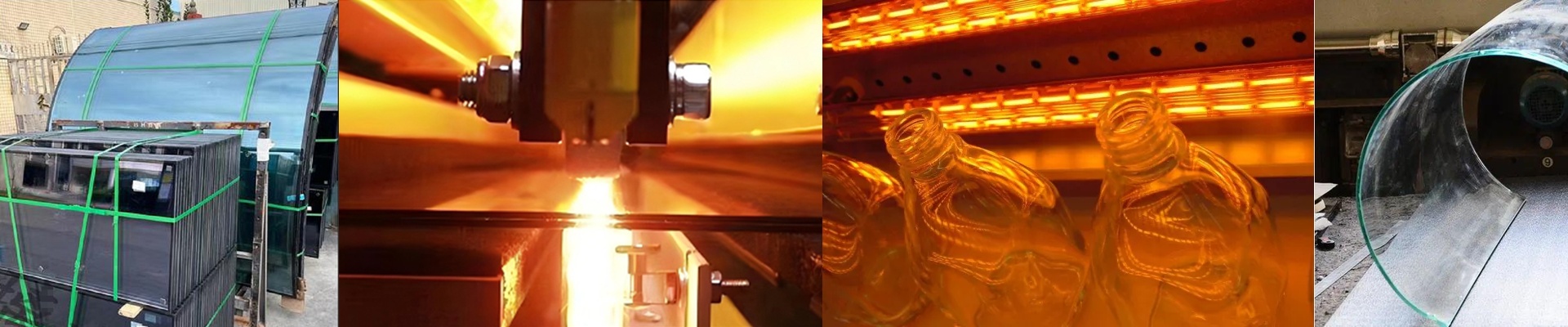
When we talk about fast response, we’re talking about shortwave infrared. It doesn’t waste time warming up the air; it hits the target material directly. It’s nearly instant. We’re talking about the filament hitting operating temperature in milliseconds. Now, if you’re doing PET blowing or rapid curing, you need that high-wattage punch. But there’s a catch. The more energy you pump out, the more stress you put on your connectors—whether you’re running R7s or SK15 bases. If your wiring isn’t up to the task, you’ll get voltage drops. And that’s where your cycle times start to slip.
Why we’d rather come to your shop than take an order
Ordering a replacement lamp based on a part number is a gamble. Usually, it doesn’t actually fix the reason the lamp failed in the first place. That’s why we prefer to get our engineers on your floor for a thermal audit. We want to see what’s actually happening. We’re looking for things like: **Dirty reflectors.**If your reflector is pitted or oxidized, you could be losing 30% of your heat. You’re paying for power you aren’t even using. **Bad airflow.**If your cooling fans aren’t clearing the heat away from the lamp ends, the quartz is going to crack. Period. **Cold spots.**We check for zonal imbalances. If one area is cold, you’ll be tempted to over-drive the rest of the bank to compensate. That just kills the remaining tubes faster. We aren’t just trying to sell you a tube. We want to make sure your power supply and machine footprint can actually handle the load. Otherwise, you’re just going to be replacing the same hardware every six months.