Stop Guessing Your Glass Temperatures
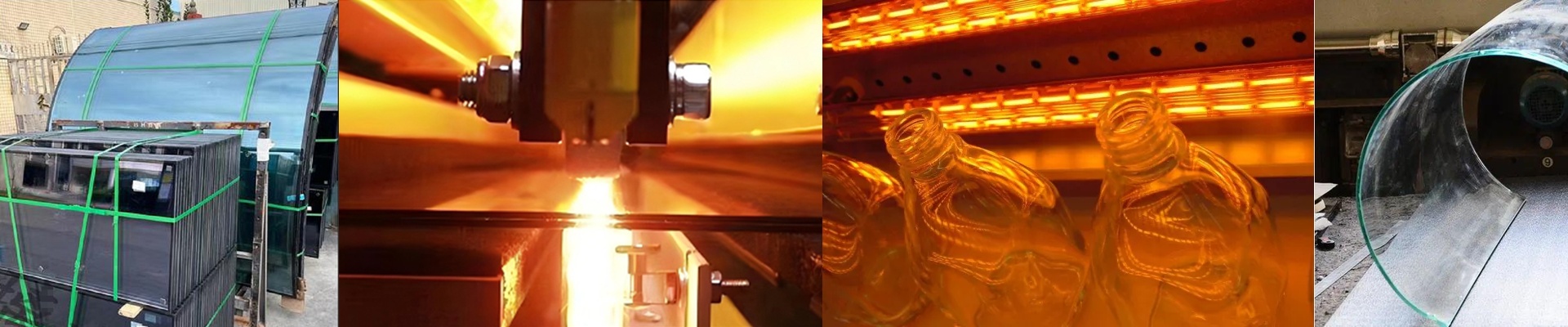
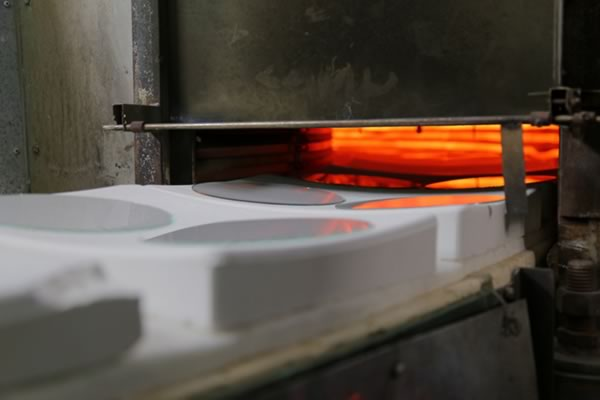
If you’ve ever pulled a batch of glass out of the lehr only to find “cold spots” that fail every single stress test, you know how frustrating it is. It feels like a coin toss. The problem usually comes down to one thing: your heat isn’t actually even. When your infrared (IR) elements start to drift, you get these invisible gaps in temperature. That’s where the internal stress hides, and that’s where your product breaks. The problem with mismatched lamps I see this all the time. A line will have one tube pushing 2200W and the next one doing 2100W. On paper, a 5% difference sounds tiny. In a tight annealing lehr? It’s a disaster. It shifts the glass transition temperature just enough to ruin a batch. That’s why we obsess over wattage tolerance. We keep it at ±3% or better. When the elements are that consistent, the thermal profile stays flat across the whole conveyor. No surprises. What’s actually happening inside the tube We use high-purity quartz envelopes because they can take the thermal shock without flinching. But the real secret is in the centering. If the filament isn’t dead-center, you get “hot spots” on the tube wall. That’s how you warp your quartz or burn out a lamp way before its time. Plus, we use a halogen cycle to push tungsten back onto the filament. Without that, your wattage just tanks during the first 100 hours. With it, the heat stays steady. A quick warning on your power supply Here’s the catch. High-wattage tubes give you incredible heat density, but they’re hungry. They put a lot of pressure on your electrical cabinet. I’ve seen plenty of shops buy these precision elements, only to find their contactors and wiring overheating because they couldn’t handle the continuous current. It’s a waste of money if your power supply is fluctuating—it completely cancels out the precision of the lamps. At the end of the day, it’s not about hitting a peak temperature. It’s about making sure the very last bottle in the batch feels the exact same heat as the first one.