Stop Wasting Power on Glass Annealing
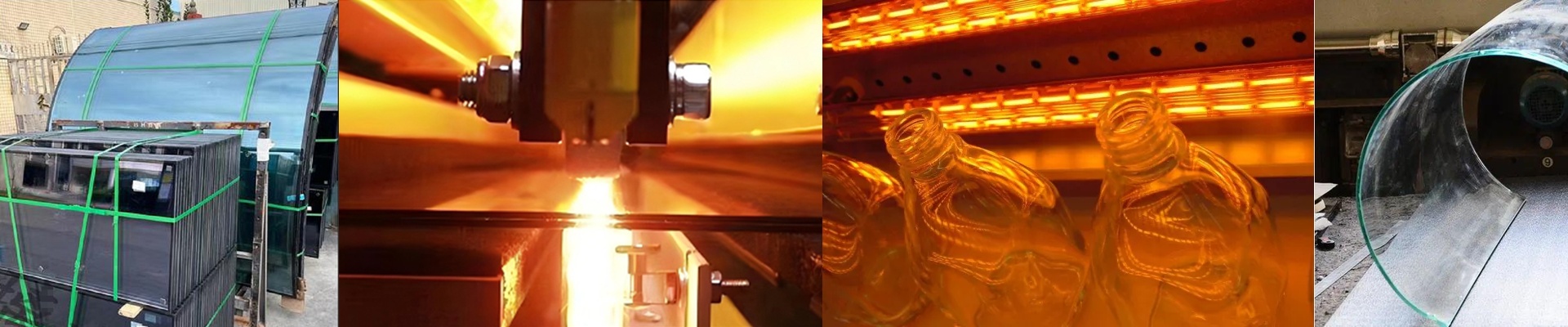
Let’s be honest: glass annealing is an absolute energy hog. If you walk through most plants, you’ll see massive ovens just churning through electricity to stay hot, wasting a ton of heat on empty air. It’s frustrating. But there’s a better way. We’ve found that the trick is shifting the heavy lifting to the nip roller stage. Instead of hoping the air does the work, we use shortwave infrared (IR) lamps to hit the glass directly.
Why shortwave IR actually works
Here is the thing about shortwave IR: it doesn’t just bounce off the surface. It actually penetrates the glass. Because it gets deeper, faster, you hit your target temperature in a fraction of the time. We tuck these lamps right into the nip roller assembly to create a concentrated “heat zone.” The best part? Since the glass is already warm, you can dial back the temperature on your downstream annealing lehr. You get the energy savings without worrying about those nightmare stress fractures or thermal shock.
The nitty-gritty on the gear
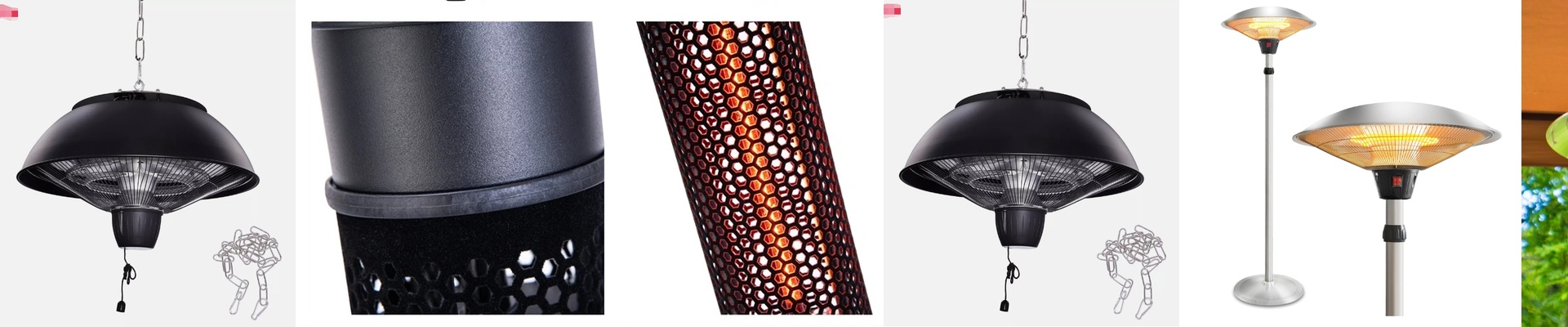
We use quartz-halogen tubes because they’re tough and can handle being flicked on and off constantly. If you’ve already got PID controllers in your loop, these slide right in and keep your temperature window tight. Space is usually an issue in these plants, so we kept the footprint small. They fit in tight spots, but be careful—the heat is intense. **One pro tip:**make sure your roller bearings are shielded or cooled. If you crank these lamps to the max without some decent ventilation for the surrounding parts, you’re going to fry your seals.
What this does for your wallet
When you switch to IR preheating, you stop paying to heat the room and start paying to heat the product. It’s a simple shift, but it slashes the kWh you spend per ton of glass. Your electricity bill drops. Your ramp-up times get faster. And your glass quality stays consistent across the entire sheet. It just makes sense.