
Stop the Bottlenecks: A Real-World Look at IR Lamps for Glass Annealing
Nobody likes a bottleneck. In a glass production line, a slowdown isn’t just annoying—it’s risky. If your heating can’t keep up, you’re looking at thermal shock or internal stress. You need heat that hits the mark instantly and disappears just as fast. That’s where fast-response quartz infrared lamps come in.
Why speed actually matters here
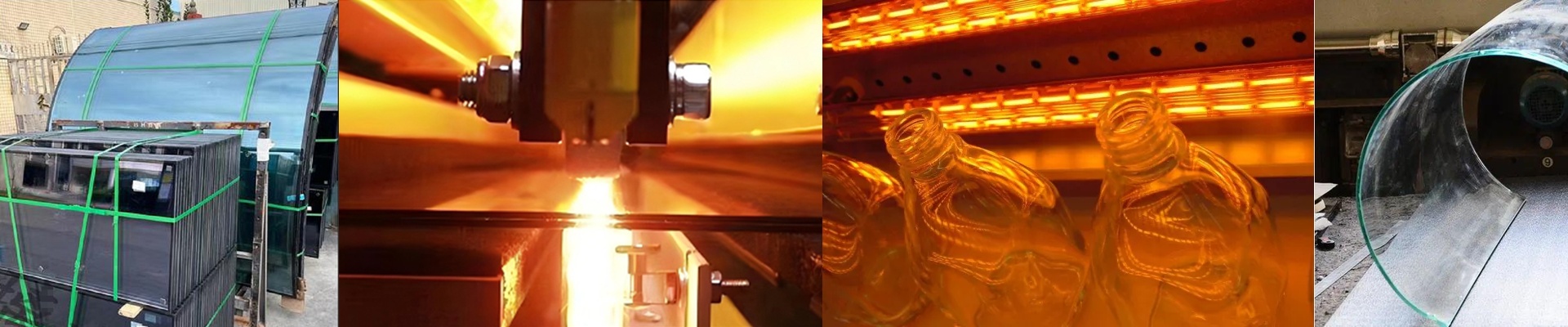
Most heating elements are just too bulky. They have too much “thermal mass,” which is a fancy way of saying they lag. They take forever to warm up and even longer to cool down. Our quartz lamps are different. They use short-wave infrared to push energy straight into the glass. Since the quartz envelope is thin and the filament hits peak temp in milliseconds, you can actually control the heat in real-time. It means you can dial in a precise temperature profile while the glass is moving. No more worrying about those random “cold spots” that end up cracking your product.
The nuts and bolts
We use high-purity fused quartz because, frankly, the heat density required for annealing would melt anything else. We also size the lamp geometry to fit your specific conveyor width. That way, the radiation hits the entire sheet evenly, not just the middle. Usually, these are paired with high-frequency switching power supplies. This is the best part: you can tweak the wattage on the fly. Line speed picking up? Crank the power. Glass getting thinner? Dial it back. It just works.
What happens on the shop floor
The big win here is continuity. You don’t have to kill the line just to adjust your temps. But look, this kind of heat puts a lot of stress on your gear. If you’re running at max wattage, your reflectors have to be spotless. Seriously. A little bit of dust on those mirrors creates hotspots, and that’s a quick way to burn out your lamp ends. Also, double-check your cooling fans. Make sure they can actually handle the ambient heat inside the tunnel, or you’ll be replacing filaments way sooner than you should.