
Why We Heat Glass Before We Break It
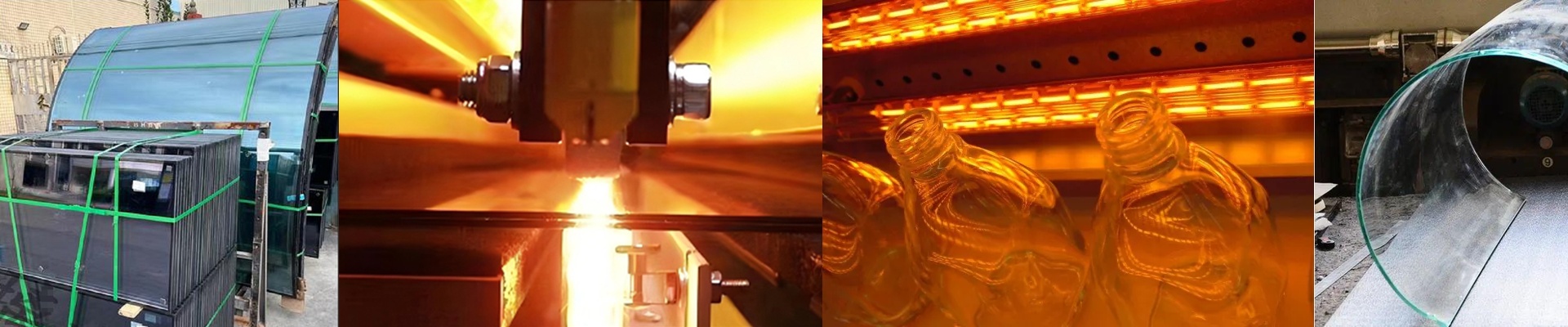
Cutting glass isn’t really “cutting” at all. It’s more like managing a crash. When you score a sheet, you’re basically creating a stress zone. If you just snap it cold, the crack tends to wander. You get those annoying little chips and shivers along the edge that ruin a perfect piece. That’s where short-wave infrared (IR) lamps come in. We use them to warm up that score line right before the break.
The Secret to a Clean Edge
Glass is stubborn and brittle. By hitting the score line with a bit of heat, you’re relaxing the surface tension and making the material a little more “fluid” on a microscopic level. The result? The crack actually behaves. It follows your score line like a train on a track instead of jumping all over the place. Your chipping rate drops, and you stop wasting material.
The Gear and the Power
For this, we usually go with high-wattage quartz halogen lamps. You need a massive punch of heat delivered fast—we’re talking seconds. If the lamp takes too long to get the glass up to temperature, you’re just burning electricity for nothing. The setup depends on how long your cutting table is. A longer tube gives you a nice, even heat zone, but you have to be careful with the voltage drop. And a heads-up: if you’re installing a high-wattage system, make sure your electrical panels can handle the initial surge. They hit hard when they kick on.
The “Gotchas” of Installation
Here’s the thing: these lamps get incredibly hot. If you mount them too close to the glass, you’ll trigger thermal shock. Instead of a clean break, the glass might just crack in a random spot because it couldn’t handle the temperature jump. It’s a balancing act between how far away the lamp sits and how long the glass stays under it. Also, please, don’t use standard PVC wiring. It’ll melt. Use heat-resistant cabling or you’ll be dealing with a mess very quickly. One last tip: get a dedicated controller to modulate the power. Running these things at 100% all the time is a great way to fry your filaments and burn through lamps way faster than you should. Give them some breathing room.