Why Fast-Response Infrared Heaters Are the Key to In-Line Glass Annealing
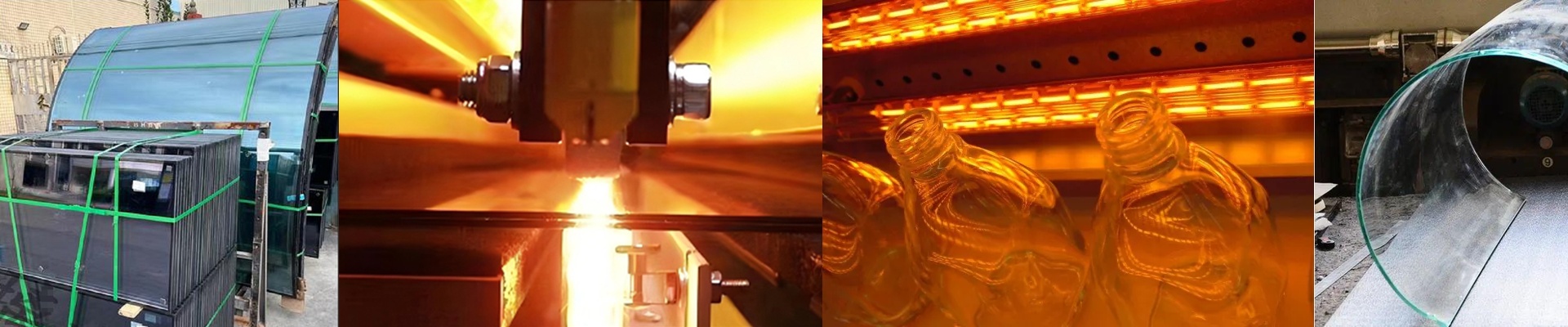
When you’re running in-line glass annealing, your heating source has to keep up with the line. No exceptions. The moment your heat lags, you’re not just wasting time—you’re wasting glass. That’s why we built our infrared heaters to be fast, precise, and tough enough for continuous production.
The Power Behind the Heat
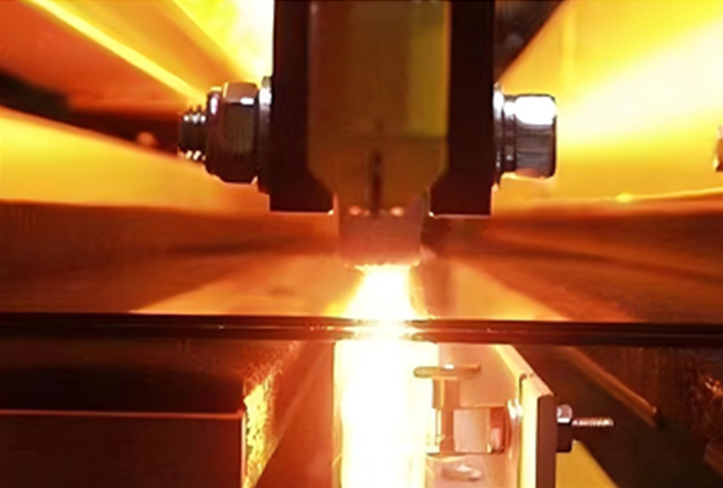
At the heart of our system is a shortwave infrared tube. It’s compact, but it punches way above its weight. We’re talking serious power density in a small footprint. A typical setup runs at 400V, pulling up to 2500W across a 300mm length. That concentrated energy means you hit your target temperature almost instantly. And when your glass line is moving nonstop, that kind of speed isn’t a luxury—it’s a must. You get the heat you need, exactly where you need it, without over-engineering the whole thermal zone.
Built to Last, Built to Work
The heating element itself is a halogen-filled quartz tube. Here’s why that matters: the halogen cycle keeps the filament stable, so it doesn’t blacken over time. That means consistent output and longer stretches between lamp changes. And the quartz? It’s made to handle the heat—and the cold—again and again. Thermal shock doesn’t scare it. For the electrical side, we use an R7s connector. It’s a solid, industrial-grade fit that handles high current and makes lamp replacement a true plug-and-play job. No fiddling. No loose contacts that cause field failures. Just a reliable connection you can count on.
Real-World Performance, No Fluff
Out on the shop floor, this setup is built for nonstop duty. The fast response gives you precise temperature control across the glass ribbon, which means you can eliminate the stress that leads to breakage later on. And it’s straightforward to wire and maintain, which keeps your line running smoothly. Now, there’s one thing to keep in mind: packing this much heat into a short tube means you need proper cooling. Make sure your machine’s cooling system can handle the extra heat load. When everything is matched up right, you get a process that’s repeatable, reliable, and keeps the line moving.