Stop Letting Your Patio Go Cold This Winter
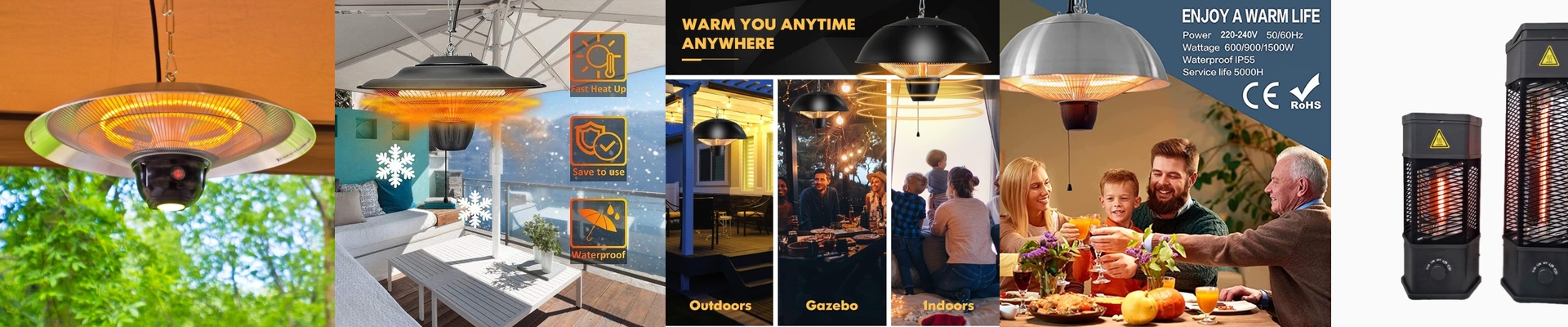
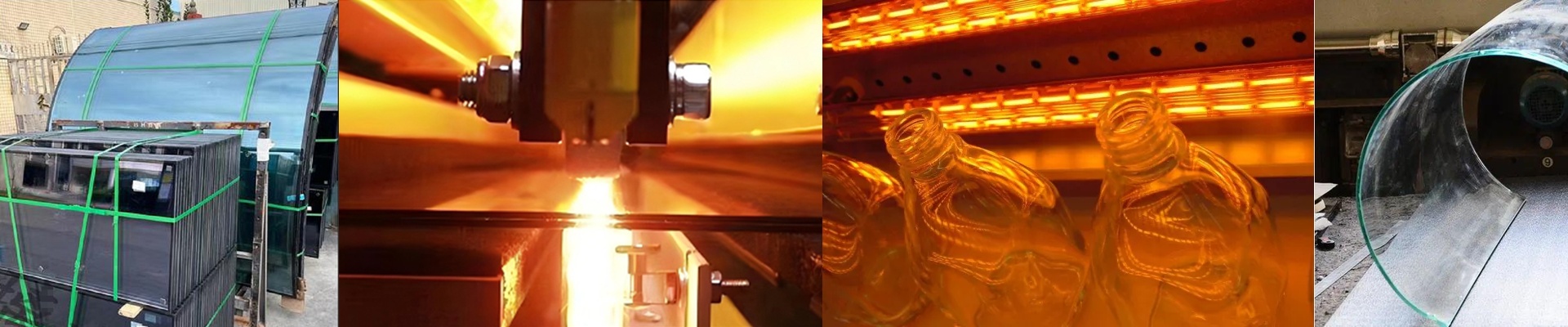
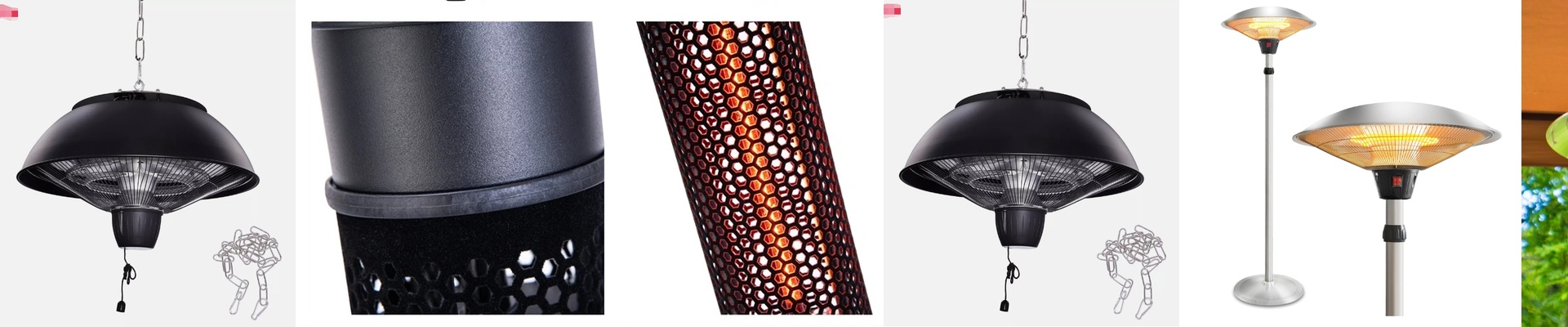
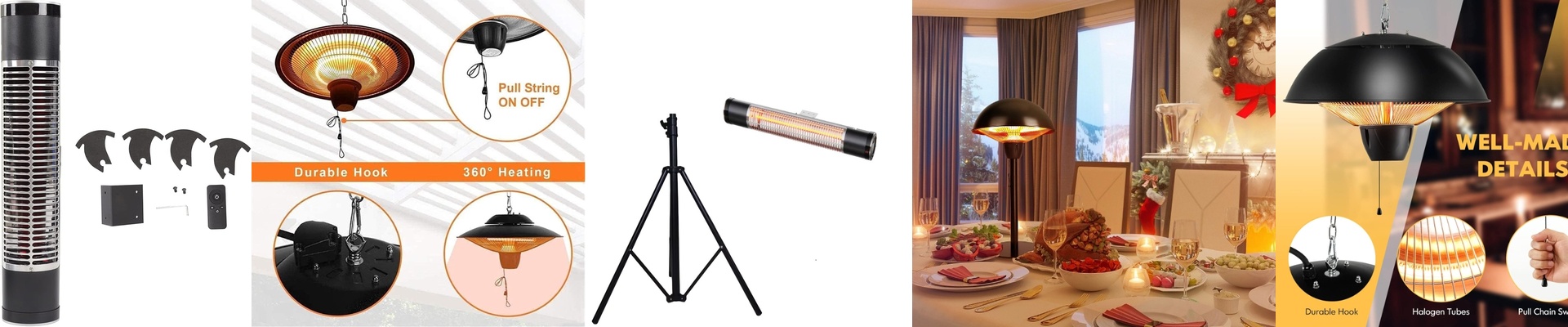
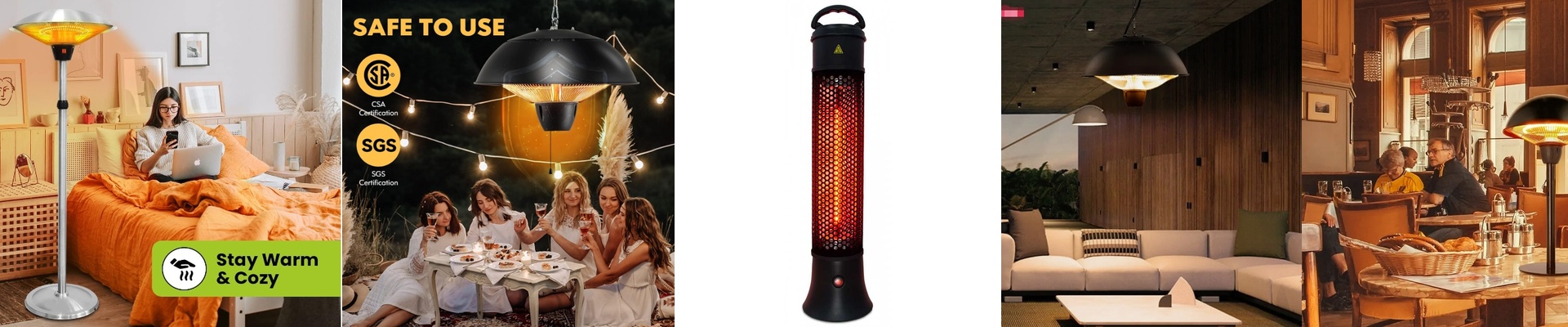
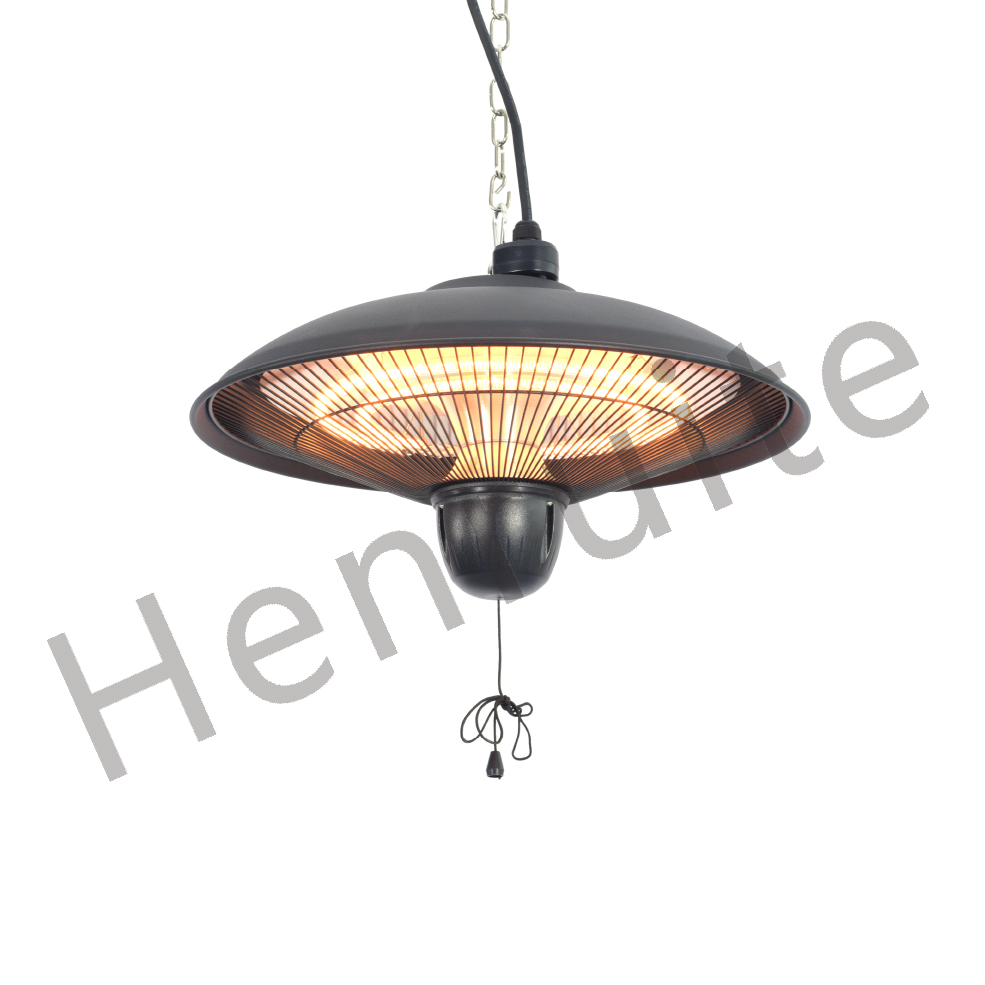
It’s the worst feeling for any restaurant owner: looking out at a beautiful outdoor patio that’s completely empty just because the temperature dropped a few degrees. You’ve got the space, you’ve got the vibe, but nobody wants to freeze while eating their appetizer. That’s where ceiling infrared heaters come in. Here is the secret: these things don’t try to fight the wind. If you try to heat the actual air outside, you’re basically throwing money into the breeze. Instead, infrared heat goes straight for the people and the furniture. It’s like the feeling of standing in the sun on a chilly day. You feel the warmth instantly, regardless of how cold the air around you is. The nitty-gritty on how it works Since these are mounted on the ceiling, the heat comes down in a concentrated beam. It creates these little “warm zones” right where your guests are sitting. But you can’t just slap any heater up there. If your ceilings are high—say, around 2.5 to 3 meters—you need something with some real muscle. You want the heat to actually hit your guest’s shoulders before it disappears into the night. I usually suggest shortwave emitters. They’re great because there’s no waiting around for them to warm up. You flip the switch, and boom—it’s warm. A few things to watch out for Now, don’t just plug these into a power strip and hope for the best. These units pull a lot of power. If you daisy-chain too many of them on one line, you’re going to trip your breakers in the middle of a dinner rush. Not a great look. You’ll want a dedicated circuit and a quick check of your amp draw so you don’t fry anything. There’s also a funny thing that happens with the crowd. People will naturally drift toward those warm spots. You can actually use this to your advantage. By placing the heaters strategically, you can nudge guests toward specific tables or keep the traffic flowing exactly where you want it. Is it worth the money? Honestly, yeah. When you stop having that “cold gap” in your calendar, your numbers stay steady. You’re serving more people per night, which pays for the equipment pretty quickly. Just make sure your electrical panel can handle the extra load before you start installing, and you’re good to go.