
Getting Your Heat Exactly Right: The Secret to IR Lamp End Caps
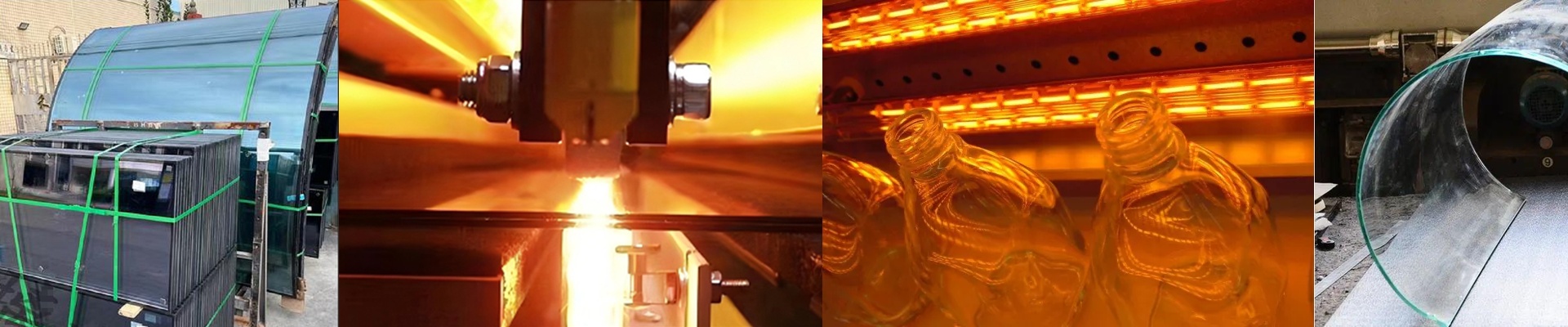
If you’re working in glass R&D, you know the struggle. Standard IR lamps are fine for general heating, but they’re too “polite.” They spread heat evenly. But when you’re testing a new glass composition, “even” isn’t always what you need. Sometimes you need a concentrated blast of heat in one spot and a gentle slope in another. You need a specific power density. That’s where we come in. We don’t just sell you a bulb; we tweak the internal filament geometry and the ceramic end caps to give you exactly the heat map you’re looking for.
Why the end cap actually matters
A lot of people think the end cap is just a plug to hold everything together. It’s not. Think of it as the gatekeeper. It handles the brutal transition between the scorching quartz tube and the electrical leads. We use high-purity alumina ceramics because they stop electrical arcing and keep heat from leaking where it shouldn’t. If the cap isn’t built for your specific wattage, the seal will eventually give up. Once that happens, oxygen leaks in, and your filament burns out fast. It’s a frustrating way to end a workday.
Dialing in your “Hot Zones”
Most lamps you buy off the shelf just push heat in a straight line. Boring. For real research, we play around with the filament winding and where the end caps sit. This lets us create “hot zones” or graded profiles. It’s basically like simulating a massive industrial furnace right there on your lab bench. You can tell us exactly how many watts per centimeter you need. No more guessing the surface temperature or hoping for the best. You get to push your materials to the absolute limit because you actually know what’s happening.
The trade-off (The “Catch”)
Here is the thing: packing a ton of power into a tiny space puts a lot of stress on the ceramic-to-metal seal. Physics is a stubborn thing. If you go for an extreme heat concentration, you’ve got to make sure your cooling manifold can actually pull that heat away from the ends of the lamp. If you don’t? Your mounting brackets will warp, and you’ll be starting over from scratch. We’re here to help you figure out the math. Tell us the heat map you need, and we’ll build a lamp that actually hits those numbers.