Stop Messing Around with Individual Heating Tubes
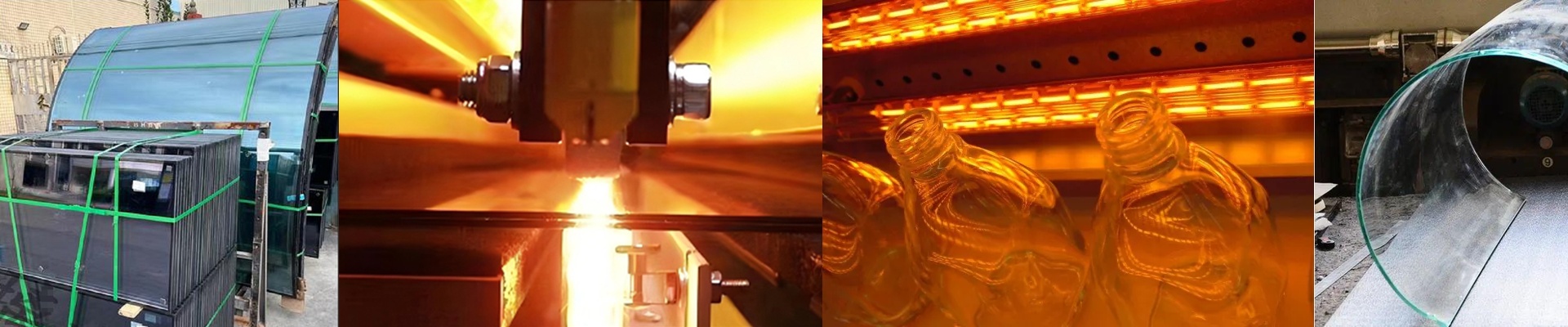
If you’ve spent any time in a glass tempering shop, you know the drill. You buy a bunch of single quartz lamps, spend hours wiring them up by hand, and just hope you got the thermal gradients right. It’s a lot of guesswork. That’s why we’re moving away from that headache and shifting toward integrated, curved heating modules.
Why the curve actually matters
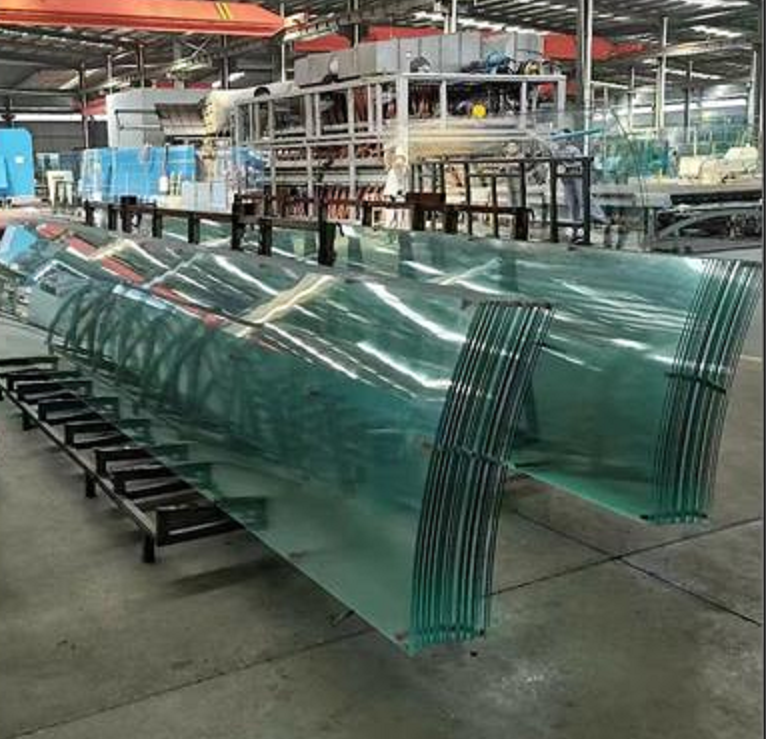
Here is the thing about preheating: it’s all about how that infrared energy hits the glass. When you use a straight tube, you lose a lot of heat to the air around it. But when you curve the array, you’re basically focusing that energy. It brings the emitter closer to the glass, which means the heat goes where it’s supposed to—into the substrate—rather than wasting away into the room. You get the glass to that softening point faster, and you don’t end up with those annoying overheated edges.
No more wiring nightmares
Let’s be honest: wiring individual lamps is a total slog. You’re handling fragile quartz, fighting with finicky connectors, and praying you didn’t make a tiny wiring mistake that’ll blow the whole thing the second you flip the switch. It’s stressful. We decided to just fix that. Our modules come with the lamps, reflectors, and wiring already tucked into one unit. It’s a drop-in replacement. You slide the module into the frame, plug it in, and you’re done. We’ve already handled the bending tolerances and the electrical balancing, so you don’t have to.
A quick heads-up on power
Now, there is a trade-off. These high-density modules put out a massive amount of heat, which means they pull a lot from your power supply. Before you go all-in on a high-wattage curved array, just double-check your transformers and cooling fans. If your heat sinks can’t keep up with the ambient temperature around the housing, your lamps won’t last nearly as long. But once that’s sorted? You’ll save a ton of time on commissioning and stop wasting money on those “oops” moments that happen during onsite installation.