
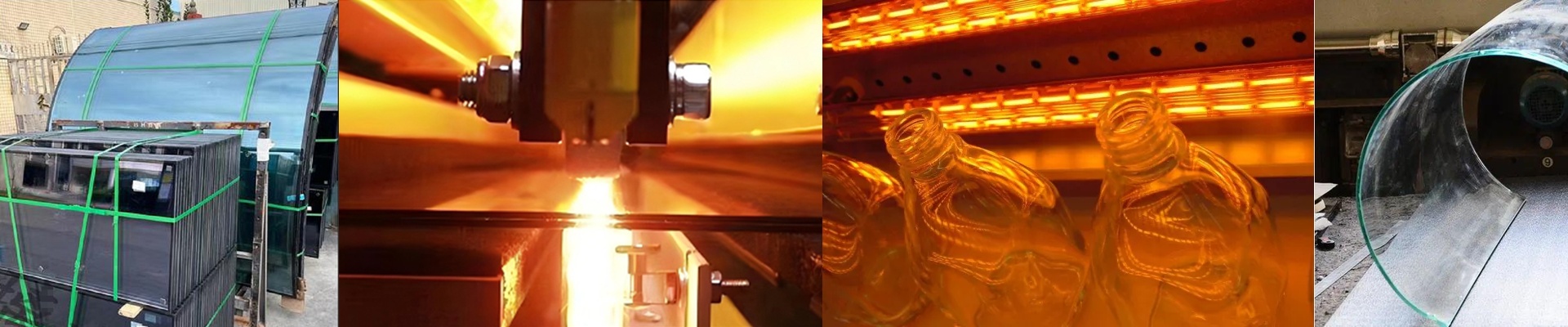
Buying a single infrared lamp is the easy part. Anyone can do that. But trying to actually fit that lamp into a glass jewelry annealing line? That’s where things usually go sideways. I’ve seen it happen way too many times. A shop buys a few standalone tubes, and suddenly their best engineers are spending two weeks fighting with mounting brackets and messy wiring. It’s a headache nobody needs. That’s why we stopped thinking about these as “parts” and started building them as turnkey heating modules. The tricky part about the physics When you’re working with glass jewelry, you’re playing a dangerous game with thermal gradients. Get it wrong, and you’ve got internal stress or, worse, a bunch of cracked pieces. A shortwave infrared lamp gives you the raw power, sure. But the magic is in the geometry. When we put a bending module together, we aren’t just plugging in a bulb. We’re obsessing over the focal point and exactly how far that quartz envelope sits from your jewelry. And a word of warning: high-wattage lamps are great for softening glass fast, but they run incredibly hot. If you just throw a high-power array into a machine without a real plan for cooling, you’re going to warp your chassis or fry your reflectors. Stop building rigs on the shop floor Here is the thing: a lamp is just a component. A module is a system. We bundle the lamp, the reflector, and the electrical housing into one solid unit. It’s a drop-in replacement. You don’t need a technician spending hours custom-building a rig in the middle of your workshop while production grinds to a halt. We take care of the wiring and the thermal shielding ahead of time. No loose connections, no grounding nightmares, and zero risk of those nasty arc-overs that shut everything down. Finding the sweet spot It’s tempting to think more power is always better. It isn’t. Sure, cranking up the wattage gets you to temperature faster. But it also makes it way easier to overshoot your target. If your conveyor belt is moving too slow and your power is too high, your jewelry is just going to slump. It’s all a balancing act between power density and line speed. We spend the time tuning the module to match your specific cycle time, so you can just flip the switch and trust that it works.