
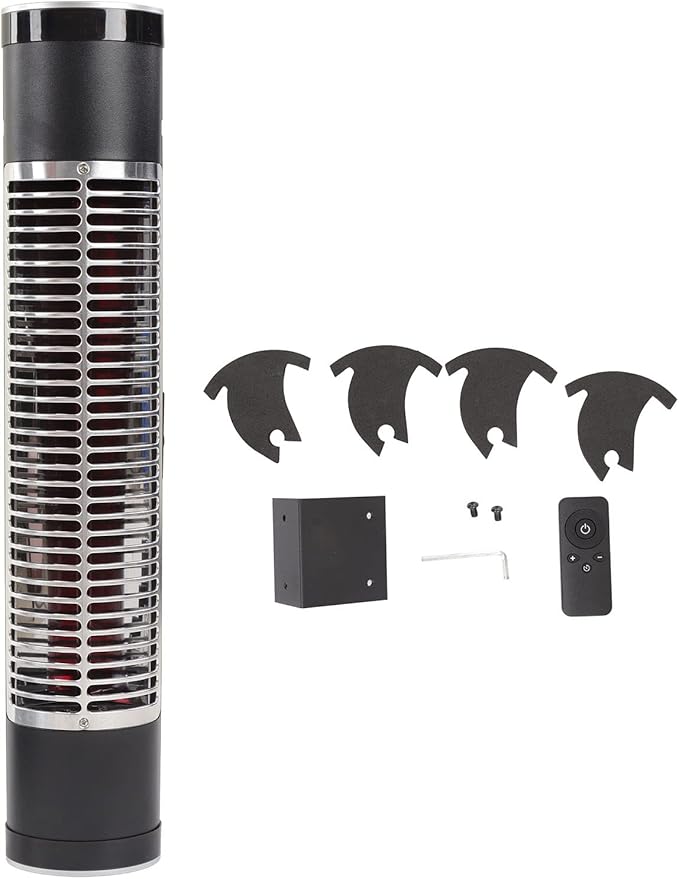
Why Most Infrared Towel Rails Die Early (And How We Fixed Ours)
Let’s be honest: bathrooms are brutal on electronics. You’ve got steam everywhere, constant humidity, and the occasional accidental splash from the shower. For most infrared heaters, that’s a death sentence. Water gets inside, things start to rust, and before you know it, the unit just quits. We got tired of seeing heaters burn out after a year or two, so we changed how we build ours. Keeping the dampness out Here’s the thing about water vapor—it finds a way into almost everything. Once it hits the internal parts, you get oxidation and short circuits. To stop that, we sealed the chassis tight and added anti-fog coatings. It keeps the heating elements bone-dry. When they stay dry, the heat stays steady. You won’t deal with those annoying temperature dips that happen with cheaper, unsealed rails. Dealing with the “Splash Factor” Then there’s the splash problem. If a drop of cold water hits a scorching hot infrared tube, it causes thermal shock. That’s how you end up with cracked glass or blown filaments. We added heavy-duty gaskets and barriers to keep the electrical guts completely separate from the parts you actually touch. It means a few splashes during your morning routine won’t fry the circuitry. It’s the difference between a heater that lasts a few months and one that actually lasts. A quick heads-up on installation Now, there is a trade-off. Because we sealed the unit so tightly to keep water out, heat builds up inside the casing a bit faster. Because of that, you can’t just cram these into a tiny, airtight alcove. Give the unit some breathing room. If it has a bit of space to vent, the internal components stay cool, and your capacitors won’t wear out prematurely. It really comes down to the seals and the coatings. That’s how we get these things to last five years instead of two.