
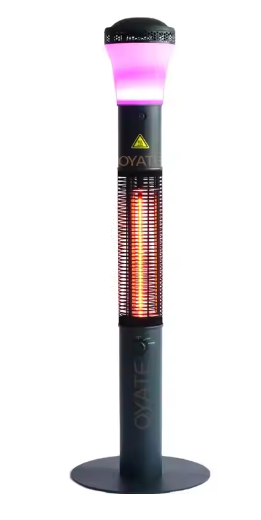
Stop Shivering in the Bathroom: The Magic of Shortwave Infrared
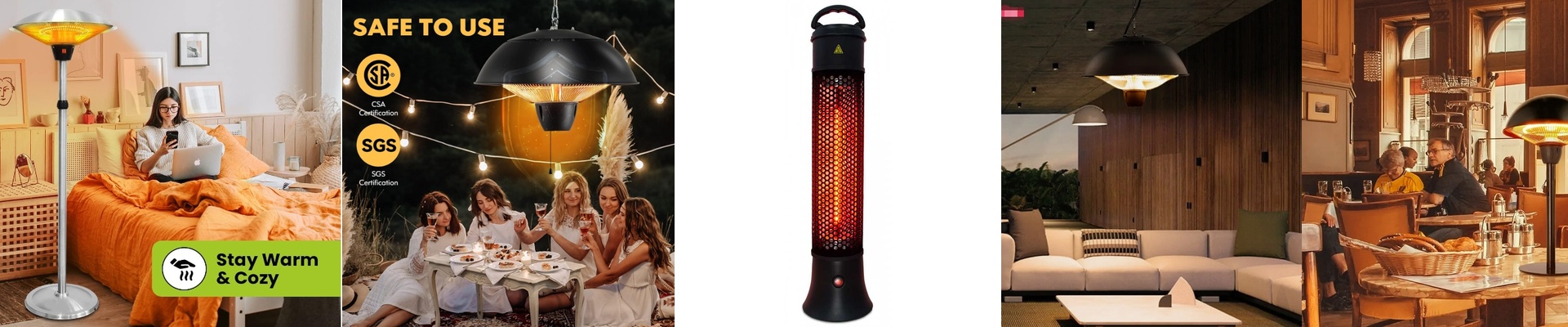
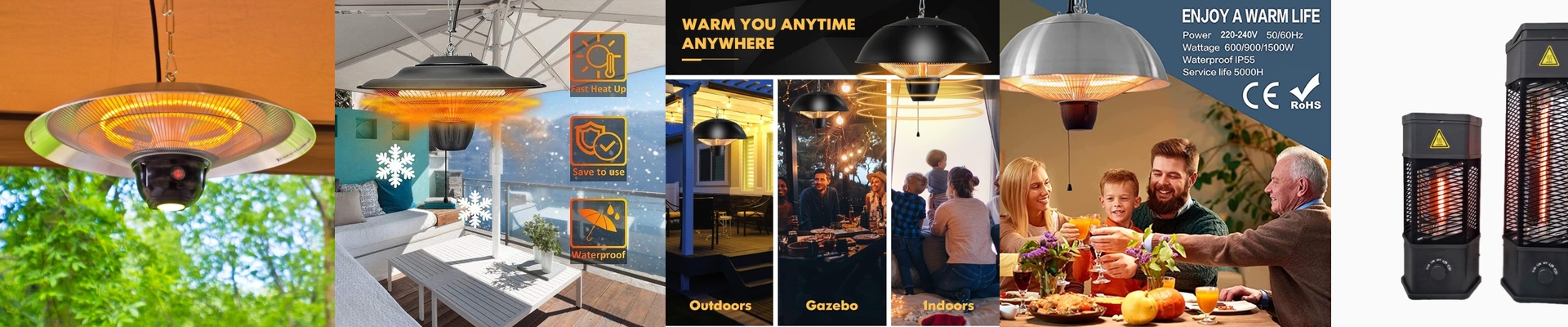
Nobody likes that freezing feeling when you step out of the shower or get dressed in a chilly bathroom. Most heaters try to fix this by warming up the air, but that takes forever and wastes a ton of energy. We do things differently. We use shortwave infrared (SWIR). Instead of fighting with the air, this tech sends heat straight to your skin and the surfaces around you. It’s like stepping into a beam of sunlight on a crisp autumn day.
How we make it happen so fast
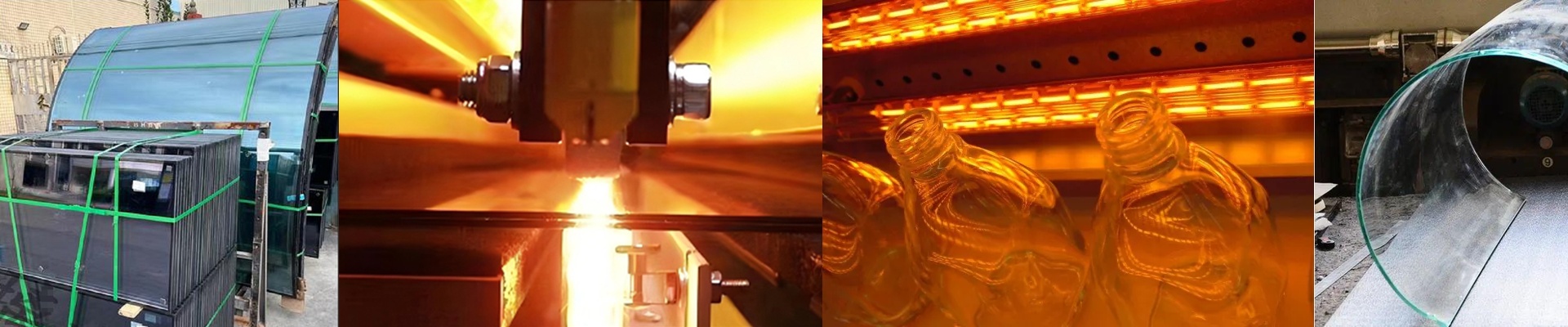
The secret is in the hardware. We use a tungsten filament tucked inside a quartz tube. We’ve dialed in the wattage so that the second you flip the switch, you feel the heat. No waiting around. We’re talking full power in under three seconds. It’s not about heating the room—it’s about that immediate, cozy glow hitting you the moment you need it.
The nitty-gritty on the parts
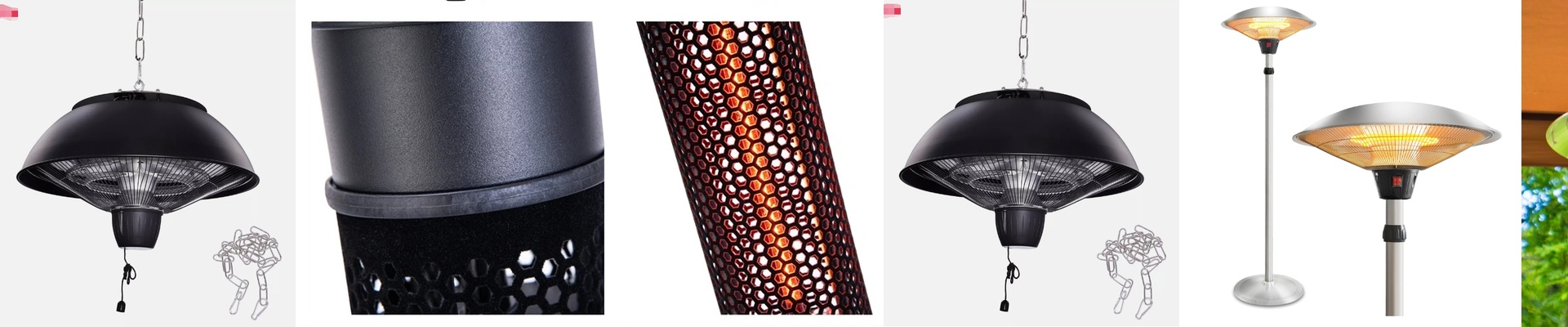
To make these last, we can’t just use any glass. We use high-purity quartz because it can handle the shock of going from ice-cold to scorching hot instantly without cracking. We also pump a bit of halogen gas into the tube. This keeps the heat spread out evenly across the filament so it doesn’t burn out prematurely. On the practical side, we use R7s snap-in connectors. Why? Because if a tube eventually dies, you can just pop a new one in. You shouldn’t have to rip open your walls or rewire the whole fixture just to replace a bulb. And since this is a bathroom, we make sure the housing is IP-rated. Water and electricity don’t mix, and we want to keep it that way.
A few things to keep in mind
Now, these lamps pack a punch. Because the heat is so intense, you can actually get “hot spots” if you aren’t careful. If the lamp is too close to where you’re standing, it might feel a bit too aggressive. The trick is getting the distance and the angle just right so the warmth feels even across the whole area. One last tip: these draw a good amount of power. Just double-check that your circuit breakers can handle the load, especially in the dead of winter. You don’t want the power cutting out right when you’re halfway through drying off.