Why we stopped making “disposable” patio heaters
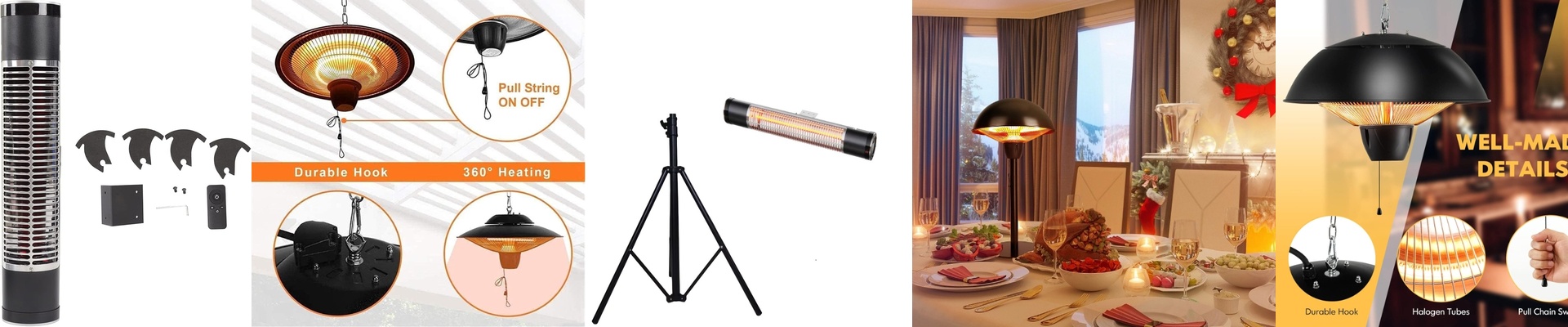
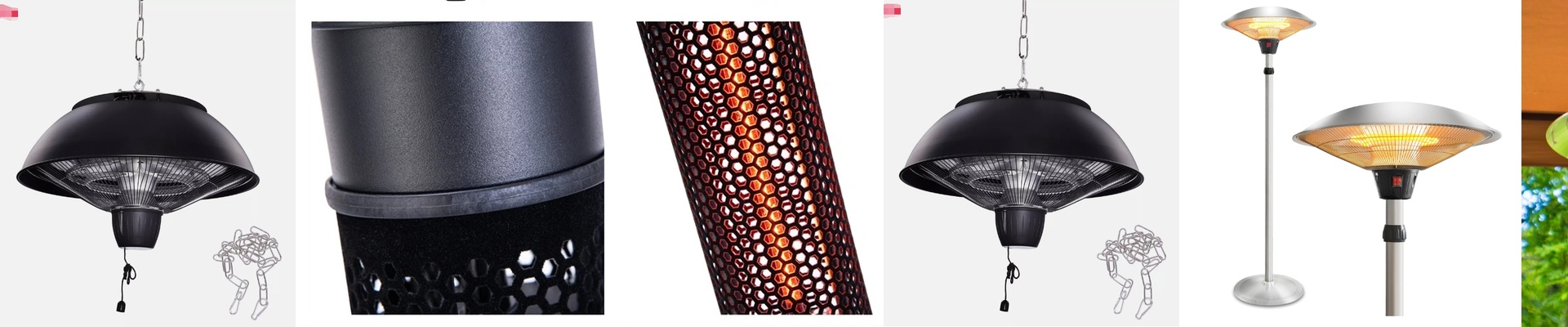
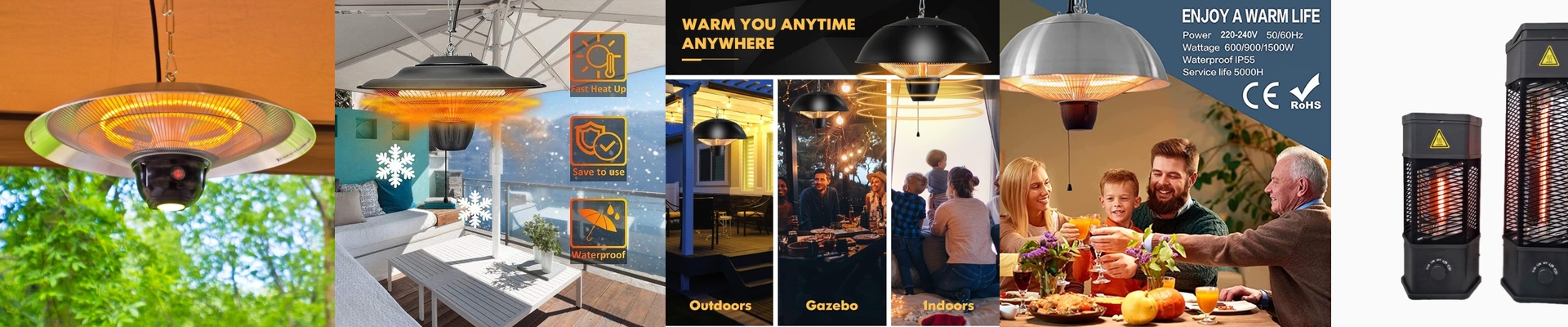
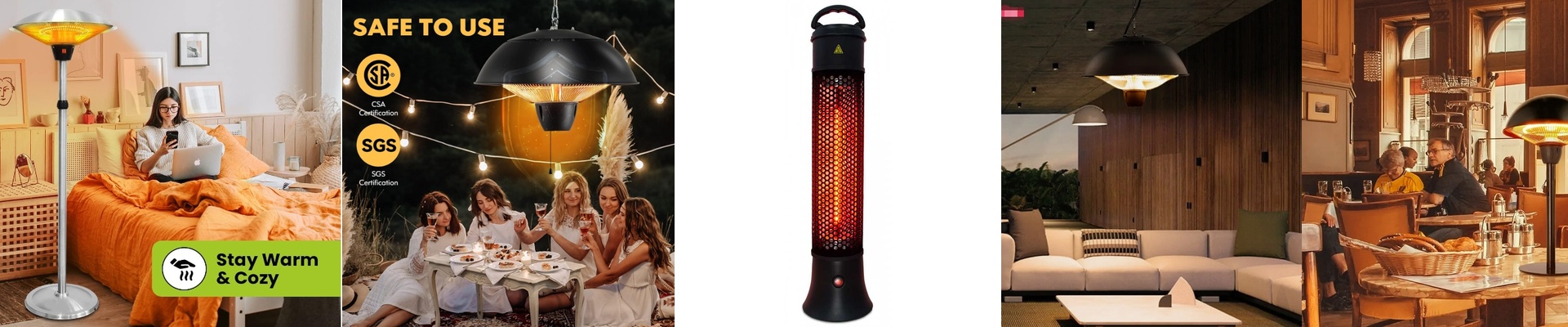
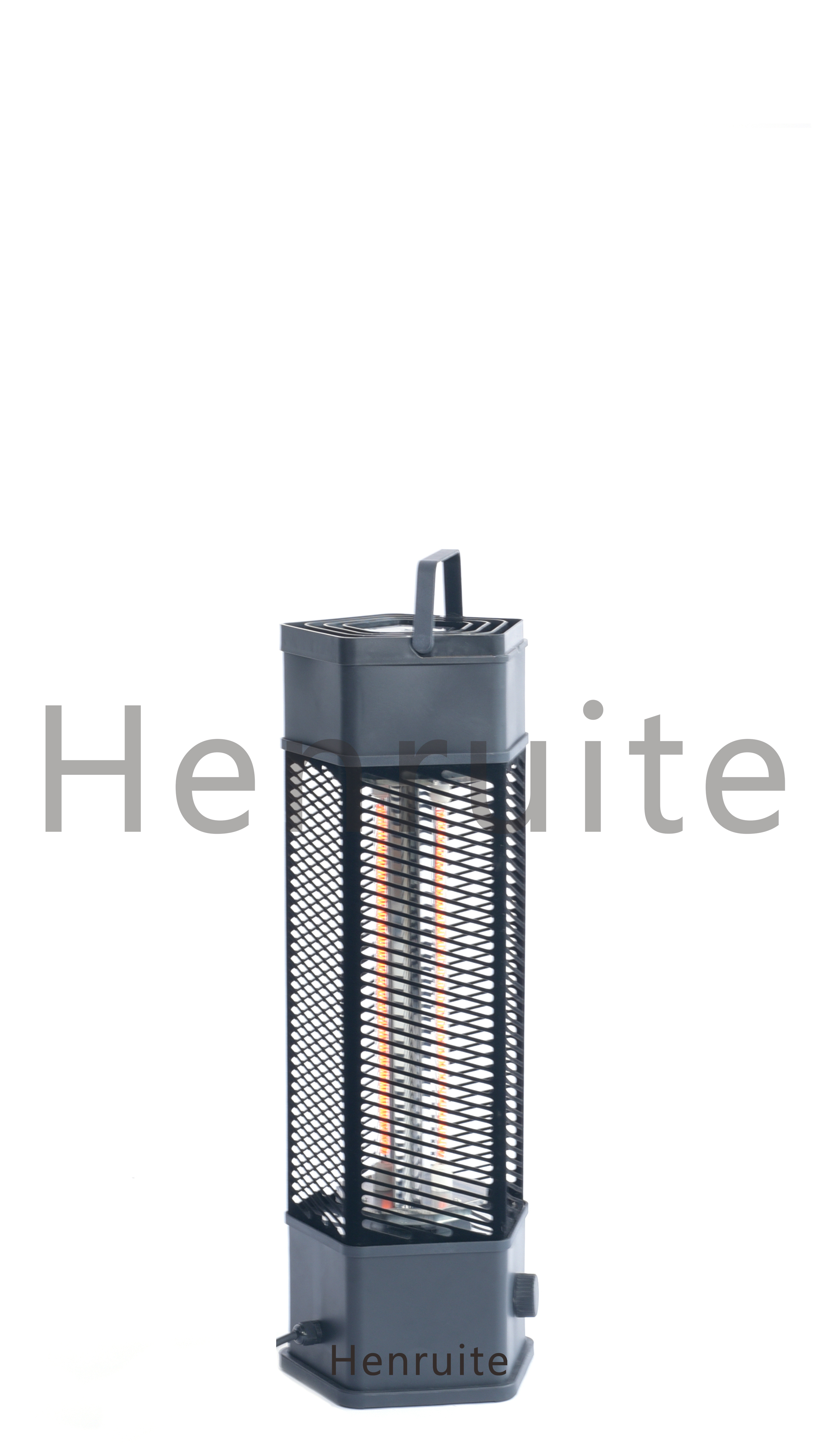
Most patio heaters are basically sealed boxes. That’s a problem. If a heating element burns out after five years of fighting salt air or humidity, you’re usually stuck throwing the whole thing in the trash. It’s a waste of metal and a pain in the neck. We wanted something better. So we built our IP55 heaters to be modular. The “Swap and Go” Logic Here’s the thing: we decided to separate the heating core from the outer shell. The heating tube lives in its own little module. In the old days, replacing a lamp meant tearing apart the entire wiring loom. It was a nightmare. Now? You just pull the module out, swap the tube, and slide it back in. What used to be a four-hour ordeal is now a ten-minute job. It’s fast. Really fast. Dealing with the Weather To keep the electronics safe from dust and rain, we use an IP55 rating with heavy-duty gaskets and sealed cable entries. But there’s a catch. Because the unit is sealed tight to keep the water out, the air doesn’t move as much. Heat builds up around the internal terminals. To stop the insulation from melting during those freezing winter nights, we used higher-temp wiring. It handles the heat without breaking a sweat. Real-World Maintenance If you’ve ever worked outdoors, you know that oxidation is the enemy. Bolts rust. Screws seize. You end up fighting the hardware more than actually fixing the machine. We used corrosion-resistant fasteners because we know these heaters live in the wild. When a tube finally gives out, you won’t be wrestling with rusted bolts. Just grab the right replacement tube, drop it in, and you’re back in business. We designed this for the reality of the shop floor: stuff breaks, and you need to fix it quickly without rebuilding the whole system from scratch. This keeps your housing in service for a decade or more, rather than a few short years.