
Why You Should Actually Care About Preheating Your Glass
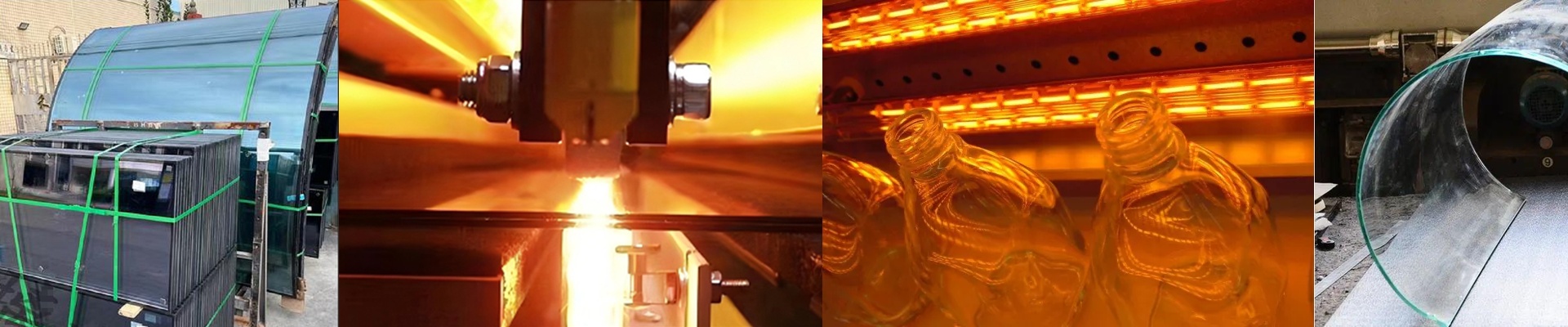
If you’ve ever spent a morning dealing with jagged edges or random shatters after a cut, you know how frustrating it is. You score the glass, you go for the snap, and instead of a clean line, you get chips. It’s a waste of material and a total pain for anyone trying to keep the quality up. Here’s the deal: cutting glass is really just a game of controlling where the crack goes. When that diamond wheel hits the surface, it creates a point of high stress. If the glass is ice-cold, it’s brittle. The fracture tends to wander off the line, and that’s where those annoying chips come from. To fix this, we use short-wave infrared (IR) lamps. We blast the surface with heat right before the cutting head makes its move. It doesn’t melt the glass—far from it. It just relaxes the material. By warming it up, the glass becomes a bit more forgiving, and the crack actually stays where it’s supposed to. You get a clean snap. Every time.
Dealing with the “Edge Breakout”
Cold glass is stubborn. When you hit it with a mechanical shock, it reacts unpredictably. By using a high-density IR array, you get a quick “heat soak” on the top layer. This is a lifesaver when you’re working with thick or tempered glass, which is notorious for that ugly edge breakout. You’re basically just prepping the glass to behave itself.
Getting the Setup Right
If you’re running a moving conveyor, you can’t afford to wait around. That’s why short-wave lamps are the way to go. Long-wave heat is too slow; it just doesn’t penetrate fast enough to keep up with a production line. But be careful. Heat is a bit of a double-edged sword. If you crank the wattage too high or mount the lamps too close, you’ll run into thermal shock. That’s a nightmare scenario where the glass develops its own internal stress and might just crack on its own after the cut is already done. The trick is finding that sweet spot between your conveyor speed and the lamp distance. You want it warm enough to cut smoothly, but not so hot that you’re fighting the material.