


Why You Need to Preheat Thick Glass
Ever try cutting thick glass only to have the edges come out looking like a jagged mess? That’s “chip-out,” and it’s a nightmare. The problem is that at room temperature, thick glass is just too brittle. When the cutting wheel digs in to make that score line, the internal stress is through the roof. Instead of a clean line, the crack wanders or just shatters wherever it feels like. That’s where infrared (IR) preheating comes in. It basically relaxes the glass, lowering the surface tension so the material is more “willing” to be cut.
How IR Lamps Actually Help
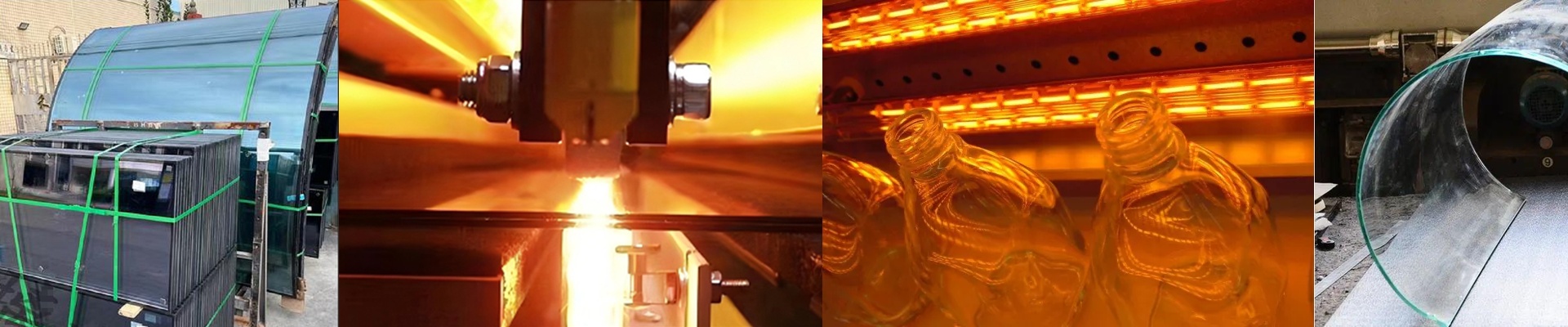
Think of IR lamps as a way to soften the glass right before the blade hits. These lamps send radiant energy deep into the surface, which drops the viscosity of the material. The result? The score line stays clean. When you finally break the glass, the crack follows your line exactly. No wandering, no jagged bits, and way less wasted material. It’s a huge relief.
The Balancing Act
We usually go with shortwave IR lamps. They’re great because they heat the glass almost instantly—you don’t have to wait for the whole machine frame to warm up. You just need a high power density to get the glass to the right temperature in a split second. But here’s the catch: you can’t just crank the heat and walk away. If you use too much wattage or leave the lamps on too long, you’ll hit “thermal shock.” That’s when the glass cracks on its own before it even touches the cutter. To avoid that, you’ve got to make sure your lamp timing is perfectly synced with how fast your conveyor is moving.
A Few Pro Tips for the Setup
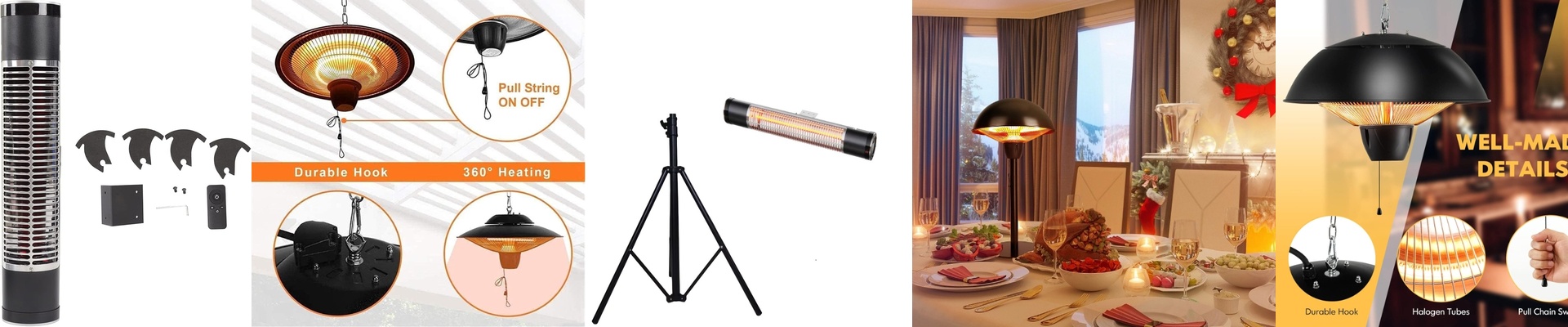
When you’re wiring this up, keep an eye on your power supply. Those IR arrays can pull a massive amount of current the second they kick on. Also, most of these lamps are made of quartz. They’re tough, but they hate dust. In a messy factory, dust builds up on the tubes and blocks the heat. This creates “hot spots” that can burn out your lamps way sooner than they should. Keep them clean. It’s a simple chore, but it saves you a lot of money and downtime in the long run.