Stop the Bathroom Damp: A Better Way to Dry Your Space
Most people think those infrared heating lamps in the bathroom are just for keeping your shoulders warm while you get ready. But if you look at it from an engineering perspective, they’re actually secret weapons for fighting moisture. Instead of just blowing hot air around, we use specific light waves to target water on your surfaces. It’s a way to stop mold before it even starts, and it does a lot of the heavy lifting that your exhaust fan can’t handle alone.
How the heat actually works
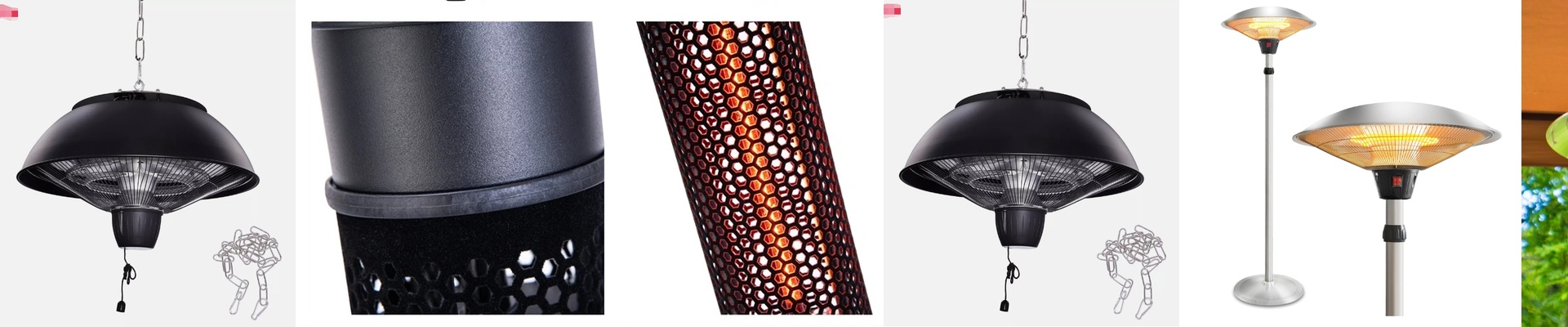
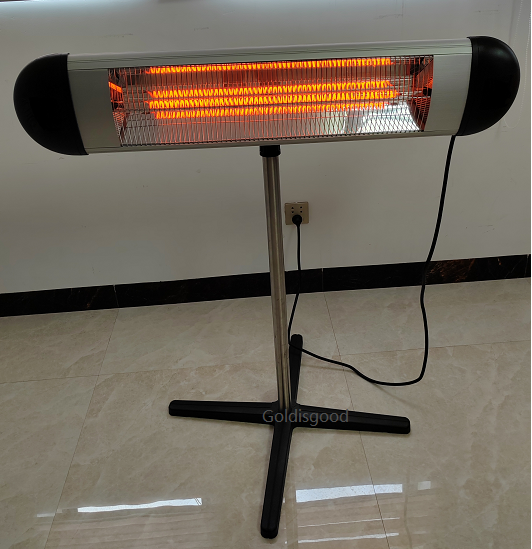
Here is the trick: we design these heaters to send out short-wave infrared radiation. Standard heaters try to warm up the air in the room. These lamps aren’t interested in the air. They shoot energy straight into your walls, floors, and ceiling. When those surfaces get warm enough, water simply can’t settle on them. No condensation means no damp spots, and no damp spots means mold spores have nowhere to hang onto.
Drying things out fast
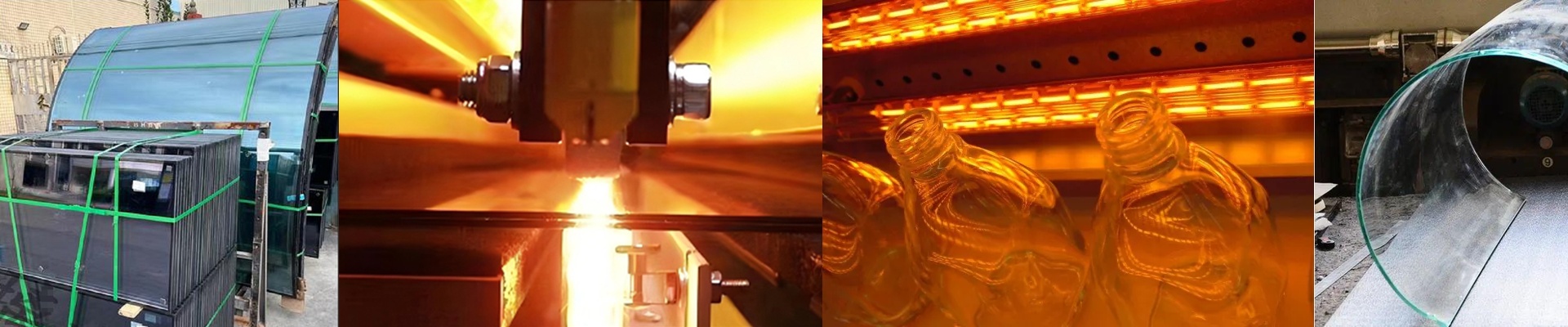
We use quartz glass covers so the heat can get through without any interference. This lets the lamp “flash-dry” the moisture on your tiles. Think of it as a tag team. The lamp kicks the water off the walls and pushes it into the air, and then your vent fan whisks it outside. The lamp mobilizes the water; the fan gets rid of it. Simple.
A few things to watch out for
Now, it’s not all magic. There are a few trade-offs. Because this heat is so direct and intense, you have to be careful where you put them. If they’re too low or aren’t shielded right, you might accidentally melt a plastic fixture or feel like you’re standing too close to a campfire. We usually figure out the wattage and mounting height based on how big the room is so you don’t end up with any annoying “hot spots.” Also, since these live in a steamy environment, you’ve got to keep an eye on the seals. If a seal goes, the filament burns out. And a quick tip: keep the glass clean. If dust builds up, the heat doesn’t move as well, and you lose that drying power.